 WALKSCAPE
 Crosswave Edition
Three Central Stations: Red Brick and Domes in Amsterdam, Tokyo and Seoul
2026-11-13
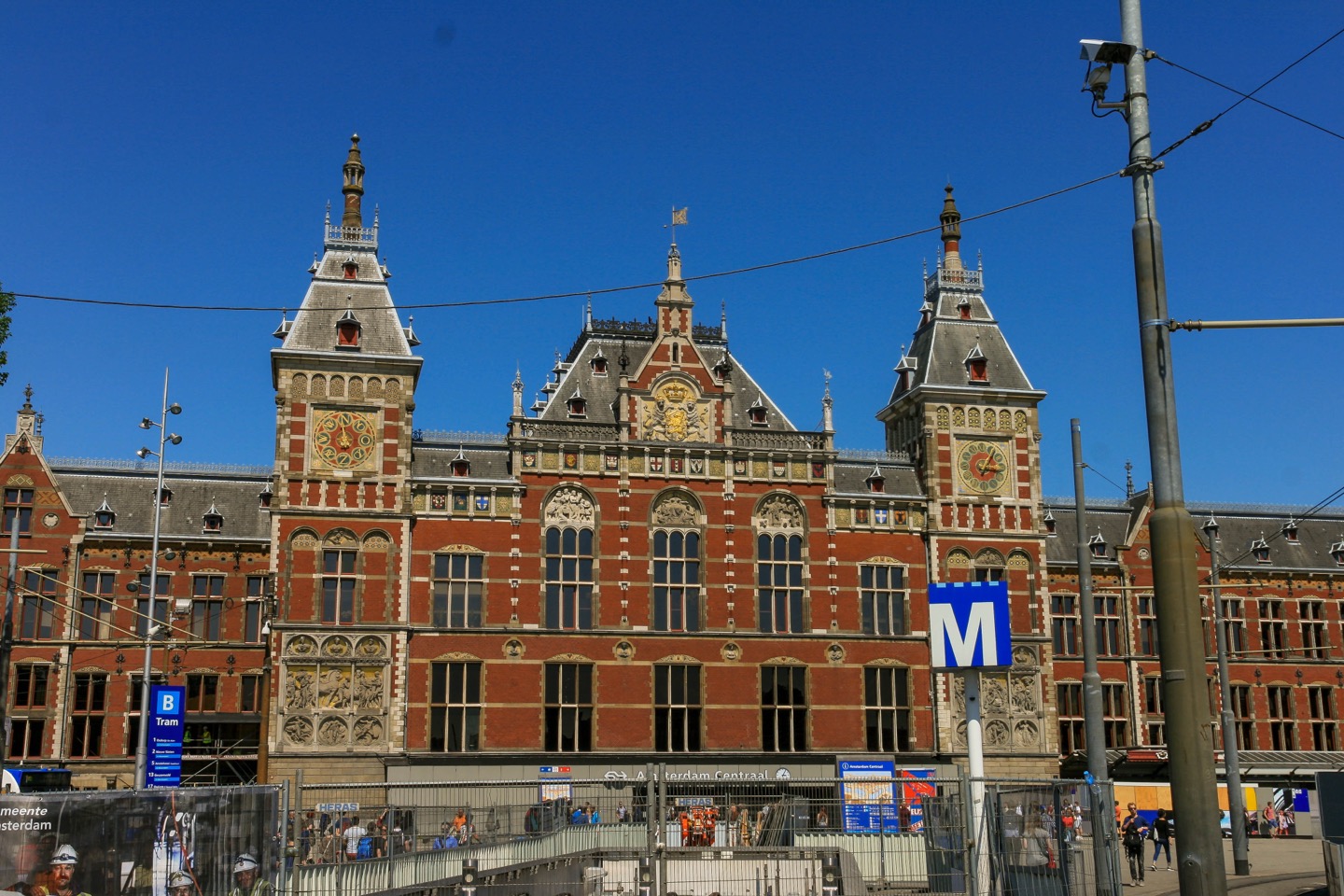
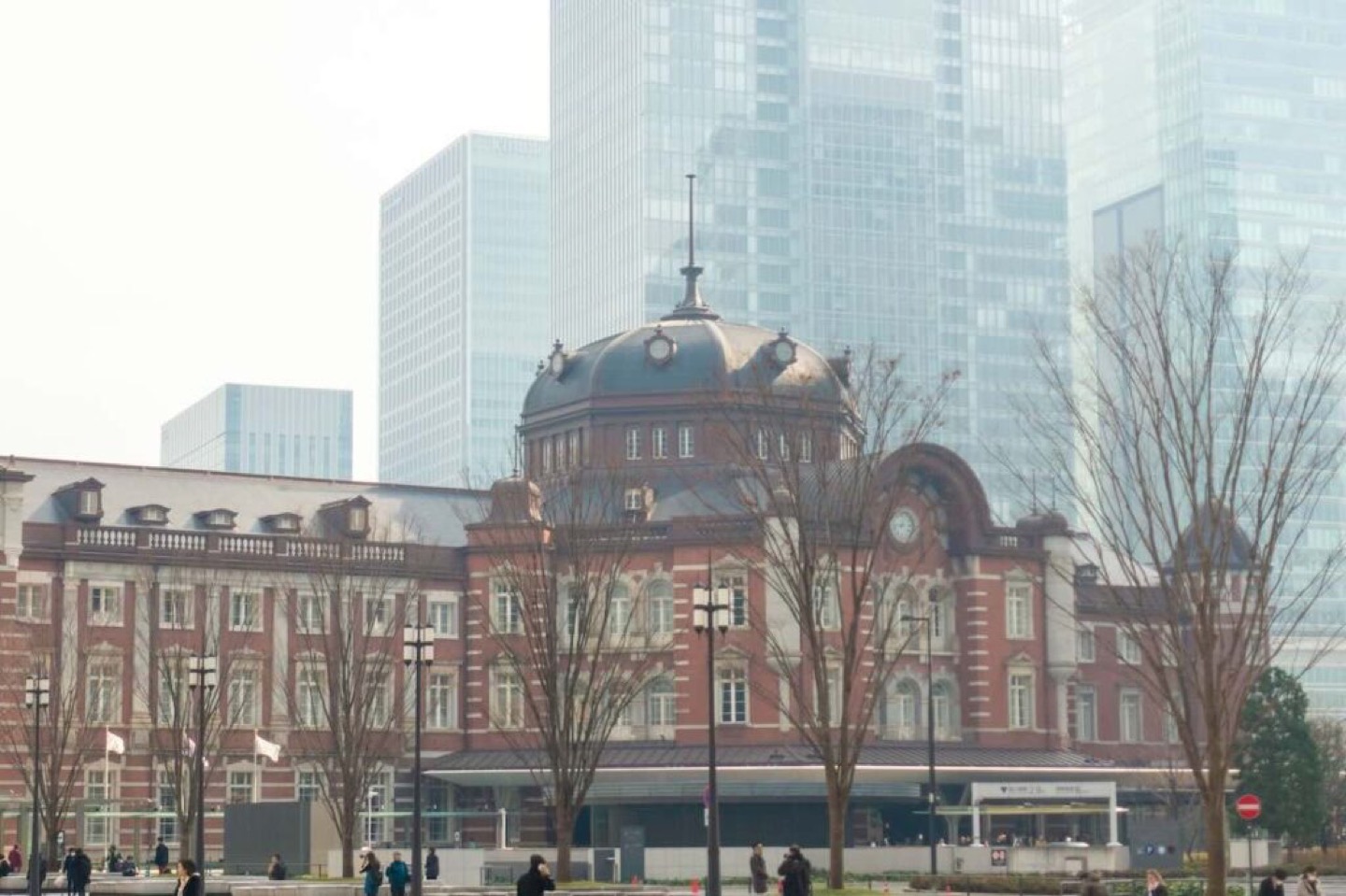
From the square outside Amsterdam Centraal, the red-brick façade stretches in both directions. The Marunouchi side of Tokyo Station has a similar color and long horizontal line. At the old Seoul Station, the dome catches your eye first. All three buildings have served as the public face of a city. The differences emerge when you ask who built those entrances and who walks through them today.
How to Compare the Façades
Start with Amsterdam’s long front and the towers at either end. In Tokyo, look beyond the familiar brick to the roofline and the domes. In Seoul, notice how the entrance beneath the dome leads into the central hall. The colors alone suggest a single architectural lineage. Follow the relationship between each entrance, roof and square, and the same materials begin to tell different stories.
From Amsterdam to Tokyo
Put Amsterdam Centraal and Tokyo Station side by side and you can see light-colored bands interrupting the red brick and towers giving rhythm to a long façade. The Japan National Tourism Organization cites Amsterdam Centraal as an inspiration. Tokyo Station’s own materials credit the Japanese architect Kingo Tatsuno and date the opening to 1914. A visible resemblance and evidence of what was borrowed in the design process are two different things. The three stations are difficult to place on a single, straight line of influence.
Central stations also served as national gateways. They were the first building many travelers encountered, and their architecture carried some of the weight of a national symbol. Amsterdam Centraal, completed in 1889, is a striking example. The red brick, symmetry and dome-like roof forms make up a public front for the city, with elevations facing the square and the water. For Amsterdam, already a port city, the station gave rail travel a new prominence. The grand central station became a model in Europe.

What It Meant to Pass Through Gyeongseong Station
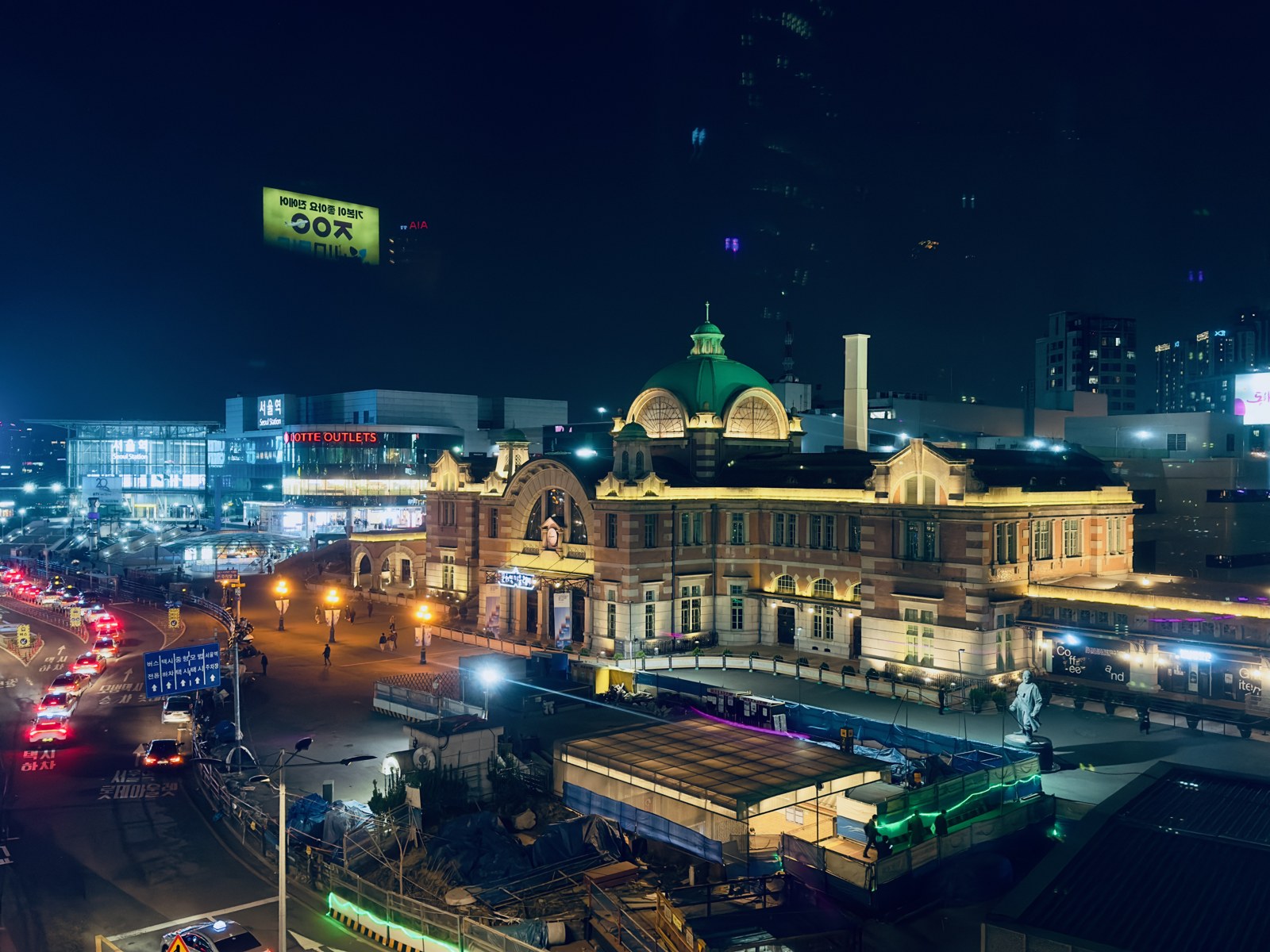
The old Seoul Station opened in 1925 as Gyeongseong Station under Japanese colonial rule. The dome marked the entrance, and the central hall led to waiting rooms that divided passengers into groups. Culture Station Seoul 284’s building guide describes separate rooms for men and women as well as divisions by ticket class. The grand interior visitors see today still carries traces of how the railway sorted its passengers.
Seoul’s station is smaller and less ornate than Tokyo’s, but you can see a similar design vocabulary in the red brick, central dome, symmetry and alignment with the station square. The political roles of the buildings were different. Tokyo Station represented the center of an empire. Seoul Station was a gateway through which the empire reached into colonial Korea.
Both stations served as gateways to modern rail travel. Tokyo was the central station of Japan’s capital, while Gyeongseong opened as a gateway to a railway built under colonial rule. Red brick and domes tell only part of that history.
How Tokyo Got Its Roofline Back
The Marunouchi building remained in use in a reduced form after wartime damage. A restoration in 2012 brought back its original height and domes, changing the silhouette seen from the square. In Seoul, railway operations moved next door and the old central hall reopened for exhibitions. Tokyo had to preserve a station that was still in service. Seoul had to decide what work an old station could do once the trains had moved on.
Who Uses a Restored Station?
The 2012 restoration revived the Marunouchi building’s old exterior, and passengers and gallery visitors still enter the same building. Seoul’s old station opened as a cultural venue in 2011. Travelers head to the modern station beside it, while exhibition visitors enter the former central hall. After comparing the photographs, watch where people go at the entrance. Their paths show what each city has asked its restored station to become.
Architecture and Visitor Information
- Amsterdam
- Amsterdam Centraal
- Architecture reference
- Tokyo Station · Japan National Tourism Organization