 WALKSCAPE
 Crosswave Edition
Kabukichō Has the Name, Ginza Has the Theatre
2026-11-13
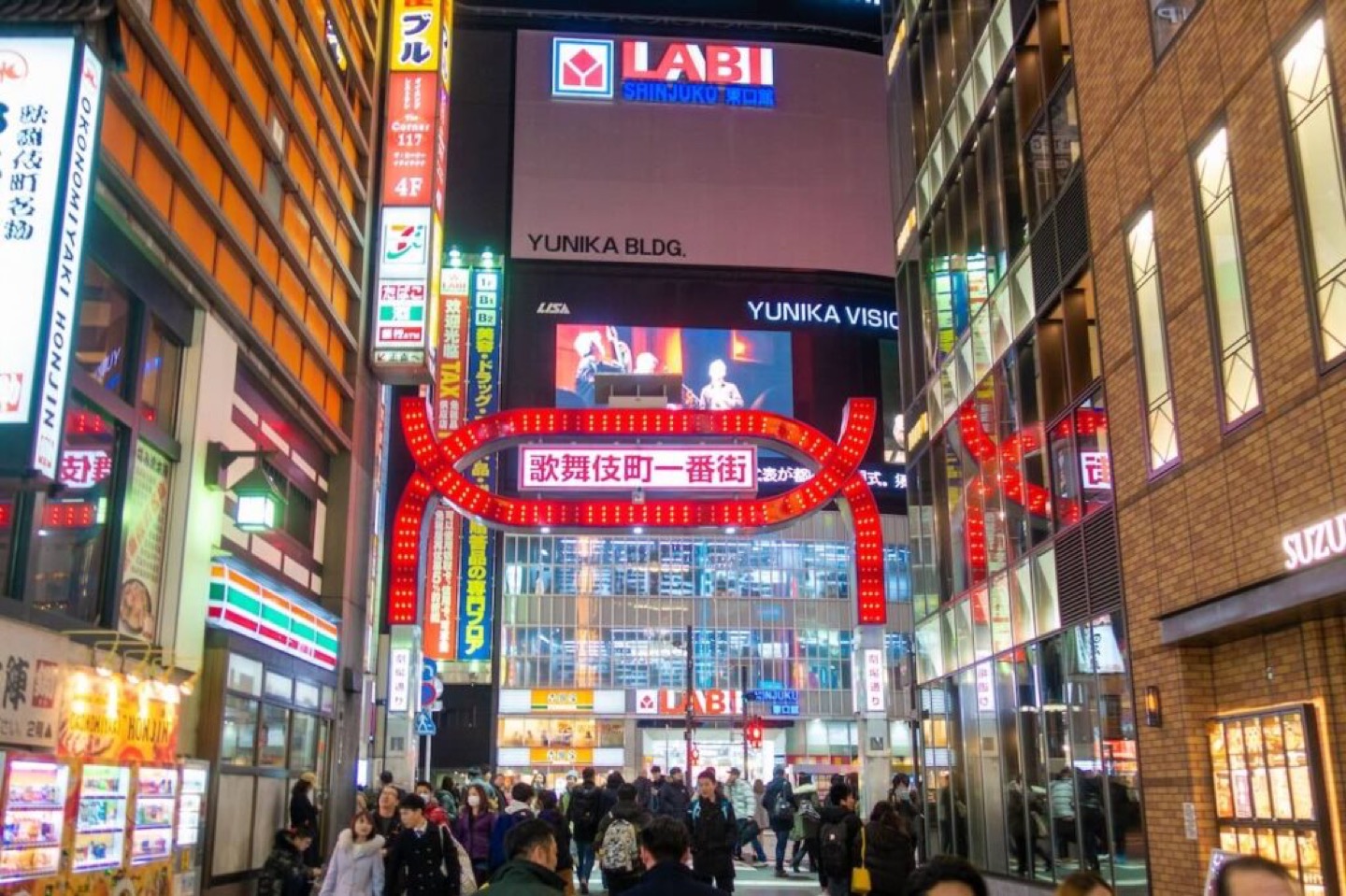
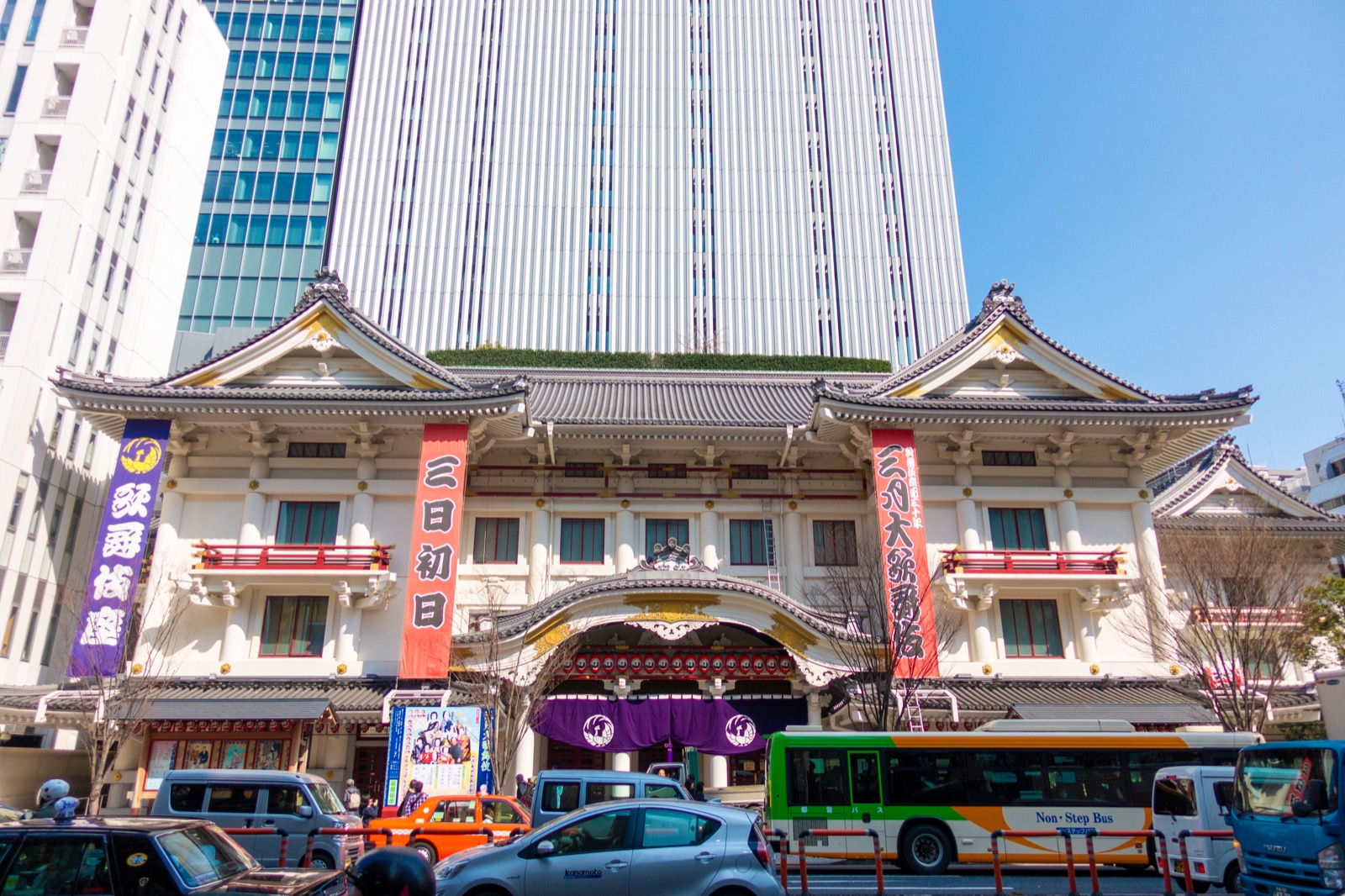
At the entrance to Kabukichō in Shinjuku, the name is the first thing you see. To catch a show at the Kabukiza, however, you have to go to Ginza. It feels like getting off at the wrong station, but the apparent mismatch tells two different histories. Shinjuku kept the name of a theatre it hoped to build after the war. Ginza kept a theatre whose history goes back to the nineteenth century.
A Name Chosen for a Theatre Yet to Come
According to Shinjuku City, residents rebuilding after the war envisioned an entertainment district where people could see films and plays. They also hoped to attract a theatre for kabuki, and the area was named Kabukichō in 1948. The proposed theatre never opened. A trace of the plan survives in the street name Hanamichi-dōri. In kabuki, the hanamichi is the passage through the audience that actors use to enter and leave the stage.
First-time visitors to Tokyo tend to learn the place names first: Shibuya, Asakusa, Ginza and Shinjuku. Kabukichō is particularly easy to remember. The name invokes a traditional Japanese performing art and practically supplies a picture of its own: an old theatre, a show to see, a street where an older culture still survives. The scene on arrival takes a moment to reconcile with that picture.
How the Koma Theatre and Cinemas Shaped an Evening Out
The Shinjuku Koma Theatre opened in 1956, giving the postwar vision of an entertainment district a different form. Theatres and cinemas drew audiences at set times and then released them into the streets together. Dinner, meeting friends and waiting for the next showing became part of the same evening. The signs in today’s photographs are newer, but the pattern of people gathering around venues and dispersing into the streets belongs to the history of the name.
The Theatre Plan Left a Different Kind of Stage
The bid for a kabuki theatre fell through. The Koma Theatre and cinemas helped Kabukichō develop a performance culture of its own, with audiences spilling out into nearby restaurants and side streets. That history can be easy to miss when you see the district as a nighttime spectacle. Its name still recalls an effort to rebuild a neighborhood around performance.
The street now does some of the staging itself. Signs supply the lights, shop doors look like entrances to a set, and the people passing through are both audience and cast. A tout calls out. Someone waves them away. Someone else goes in. The scene repeats, with a different story each time.
Kabukichō barely slows down after dark. People keep coming and going, and the music and lights carry on. What gives the place its character is how its role changes over the course of a day. By daylight it can look like an ordinary commercial district. After dark, a different set of rules takes over.
Finding the Old Theatre in the Ginza of Today
The Kabukiza has been rebuilt and reopened several times, as Shochiku’s theatre chronology records. The familiar front of the present building carries the history of those performances into a newer structure. In the Shinjuku photograph, a sign tells you that you have entered a district. In the Ginza photograph, the façade identifies the building where the performances take place.
How the Kabukiza Endured in Ginza
Shochiku dates the opening of the original Kabukiza to 1889. The fifth theatre, built after a series of reconstructions, opened in 2013. Here, kabuki is something you can look up in a programme, book a seat for and go to see. Shinjuku named its district for a theatre it imagined. Ginza carried an existing performance tradition into successive buildings.
On a trip it is easy to see a place as a sight to tick off. Cities stay in the memory through how they are put together as much as through what they look like. Kabukichō and the Kabukiza show how Tokyo changes some parts of itself while sustaining others.
Kabukichō and the Kabukiza are a short train ride apart. What those places represent feels further apart. Shinjuku is a place where the present is continually made. In Ginza, decades of activity accumulate around the same institution.
Ginza is known for shopping, yet a theatre among department stores and luxury shops feels entirely at home. The older tradition and modern commercial life share the same streets.
That is the irony at the heart of the two names. You go to Ginza to see kabuki. Walk along a broad avenue there and the traditional front of the Kabukiza suddenly appears between taller buildings. Its design keeps an earlier period visible in the middle of a contemporary district.
There is a simple way to remember both places. In Kabukichō, ask where the street got its name. At the Kabukiza, see what is on stage today. The difference between those questions is the difference between the two places.