 WALKSCAPE
 Crosswave Edition
Why I Started Carrying a Camera Again: Canon EOS R6 Mark II
2026-05-03
For a while I had no plans to buy another camera. Years with the Ricoh GR and then the Sony RX100 IV had convinced me that photography had more to do with habit than equipment. The iPhone 14 Pro made the decision easier. RAW capture and better processing meant the phone could do much of what I needed for an everyday record. Even when I traveled, I rarely felt dissatisfied with what I came home with. The camera bag I used to pack had been replaced by a pocket.
I still wanted more from my photographs. The more capable the phone became, the clearer it was to me that a dedicated camera offered a different range of expression. My phone produced reliably good results. Portraits, live performances, low light and sequences of moving subjects were where I found myself wanting more control.
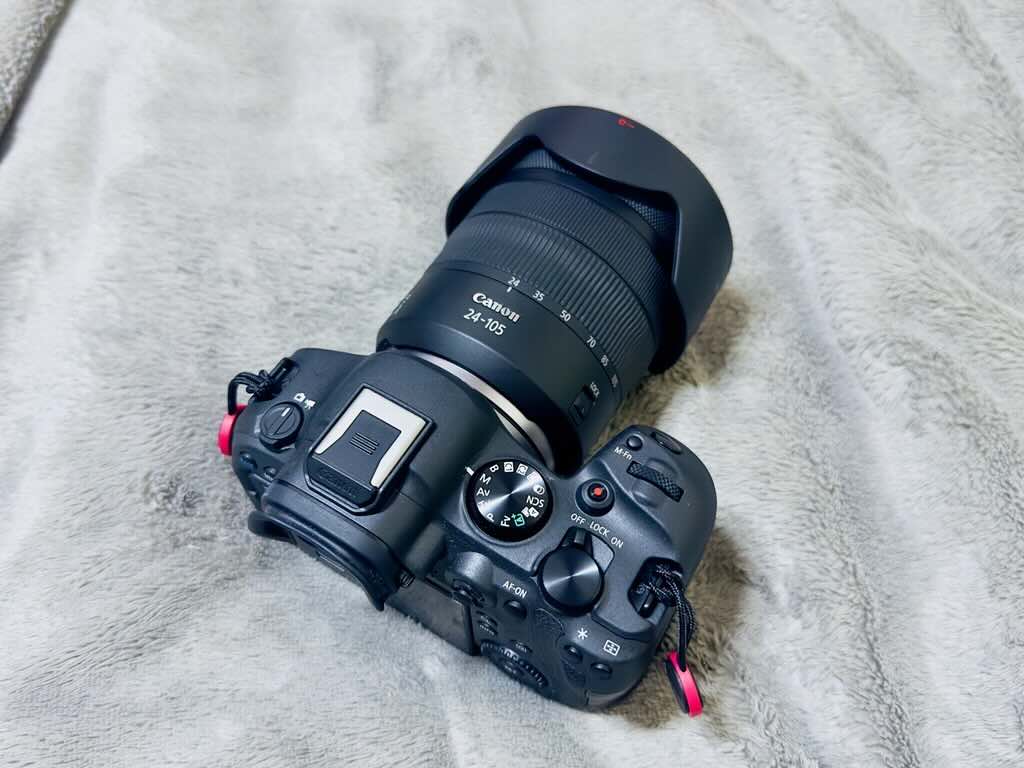
So I bought a camera again. I chose the Canon EOS R6 Mark II.
Why I Bought Used
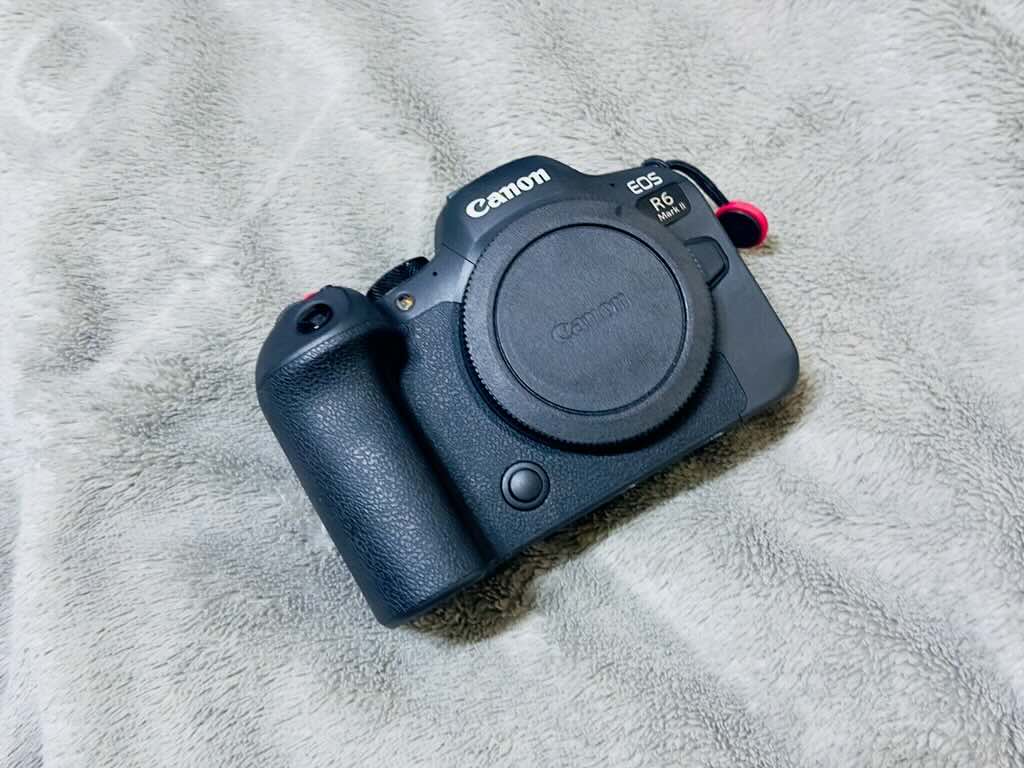
I took my time over the purchase. A body and lens could easily cost more than ₩3 million. That is an amount I had to think about, even for something I enjoyed. At the time there was also talk that the R6 Mark III would be announced soon.
Buying new felt hard to justify.
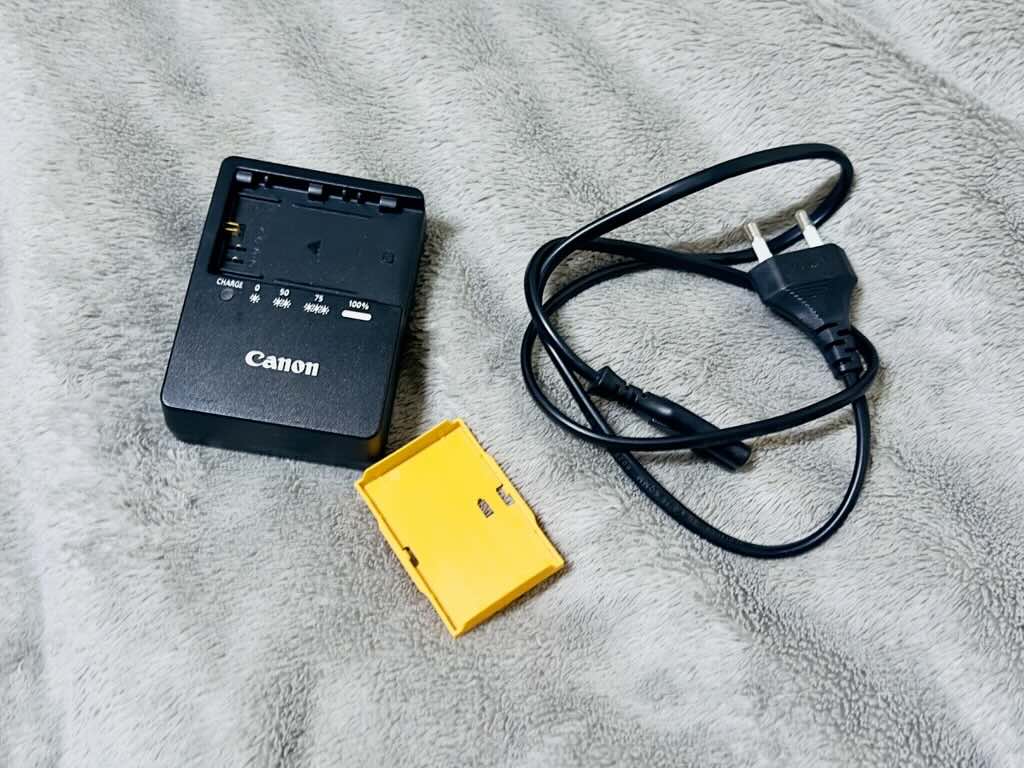
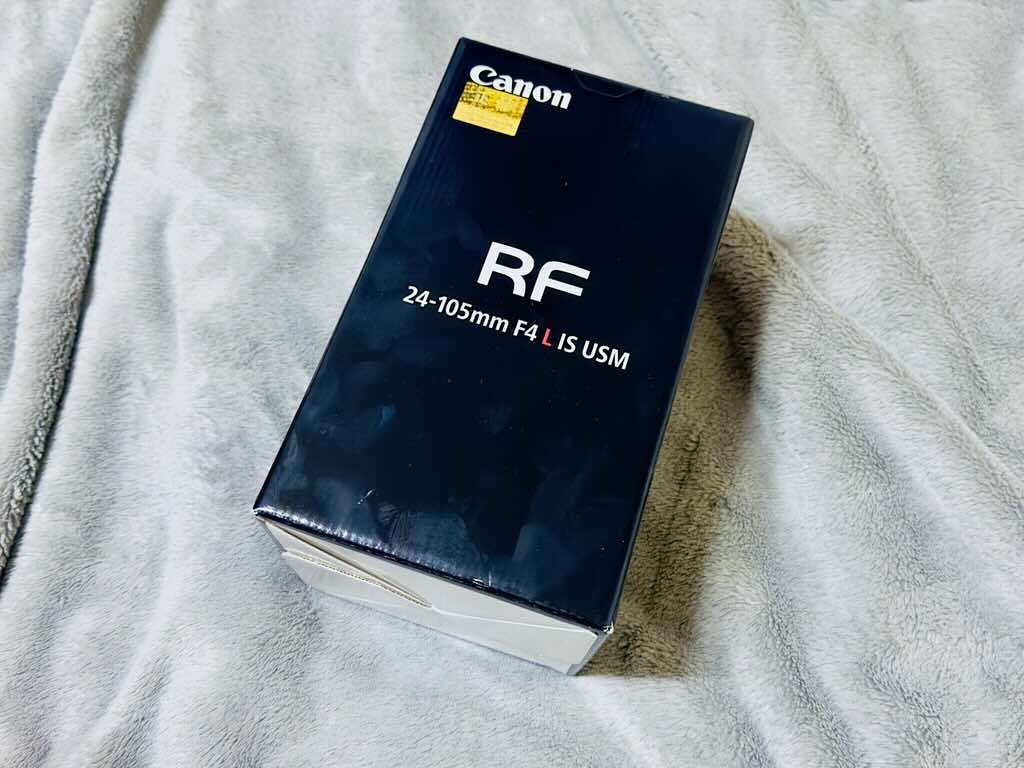
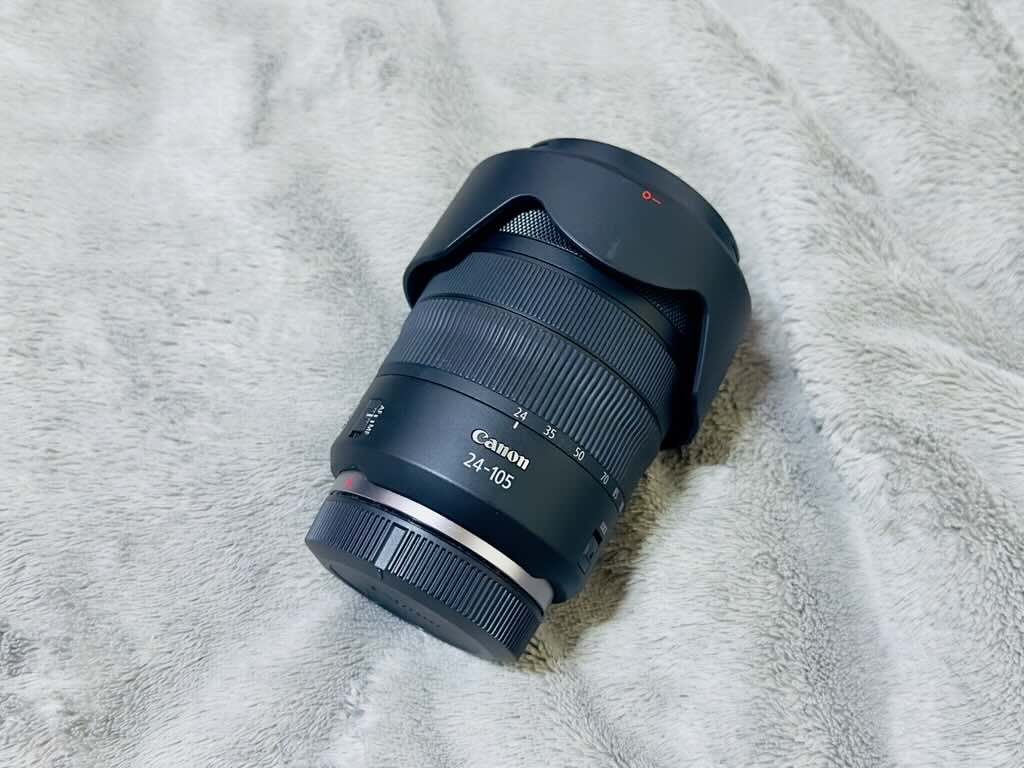
A successor could bring used prices down, and new models are often hard to get at launch. I decided to start with a used camera and reconsider once the next one was easier to find. I paid around ₩3.3 million for the body and an RF 24-105mm F4 L IS USM. Both were in good condition, and I enjoyed using them more than I had expected. I did not find myself wondering why I had bought them.
The R6 Mark II in Use
The specifications do not fully explain what I like about the R6 Mark II. Its 24.2-megapixel full-frame CMOS sensor looks modest beside newer high-resolution bodies. What stood out to me was the balance of the camera.
It is clear as soon as you press the shutter. The autofocus feels steady.
Canon’s Dual Pixel CMOS AF II recognizes people accurately. It can find an eye and hold focus under the changing lights of a show. My GR had been good for snapshots and less suited to fast action, and the RX100 IV’s autofocus felt uncertain by comparison. With the Canon I was much more confident that I would come away with the frame I wanted. For me, missed focus had been one of the most frustrating parts of making pictures.
The electronic shutter can shoot at up to 40 frames per second, with a generous buffer. I rarely need that for ordinary photographs. At a performance, or when following changing expressions in a portrait, the difference is clear. I can follow a moment as it happens and choose the frame afterward.
High-ISO performance was an unexpected pleasure. I could use ISO 6400 without much hesitation. In dim light, I liked the texture from the full-frame sensor more than what I was getting from a phone. I could keep the shutter speed up at night shows or indoors, and even images at ISO 12,800 or 25,600 were still usable for me. In backlight, shifting stage light and dark rooms, I could concentrate on the photograph before worrying about noise.
RF 24-105mm F4 L IS USM: A Dependable Zoom
What struck me first was how consistent the images were. Many zooms look better at some focal lengths than others. This one holds up from 24 to 105 mm. When I go through travel photographs, there are few frames I want to discard because of the focal length I used.
At 24 mm, sharpness is steadier than I expected. Corners often soften at the wide end of a zoom. Here I was satisfied with the edges of buildings and interiors. Compared with the original EF 24–105 mm I remembered, it felt like an improvement and a good match for the camera’s sensor.
The color has a quality I associate with Canon’s L lenses. It does not look artificially vivid, and the contrast holds together. The RAW files give me latitude when I adjust exposure or white balance, one of the differences I notice most compared with my phone.
Stabilization in Everyday Shooting
The optical image stabilization made more of a difference than I expected. The camera also has in-body stabilization, and I noticed the gain when the two worked together.
On my DSLR, the number of keepers dropped quickly below 1/60 sec at 50 mm. With this combination I could still get usable frames around 1/10 sec. For interiors and city scenes at night, I had less reason to raise the ISO just to keep the camera steady.
That makes up for some of what f/4 gives away in low light. Stabilization changes how I can shoot. There are more scenes I can attempt without bringing a tripod.
How the Lens and Autofocus Work Together
The lens uses a Nano USM motor. Quiet, fast focusing sounds like a routine specification, but it made a noticeable difference on the R6 Mark II.
With subject tracking on, focus stays with the person. Face and eye detection were particularly steady for portraits from 70 to 105 mm. At concerts and events, the lens drive helps the camera keep up with a passing expression.
There are benefits for video too. Focus transitions are smooth, and the motor is hard to hear. Even with a microphone attached directly to the camera, I rarely picked up focus noise.
Why I Use It Instead of a Prime
A prime can produce wonderful results, especially when I want a softer background. It helps to know where I will stand and how far away the subject will be. Responding quickly can be harder when those things are changing.
The zoom works when I am already going somewhere. It lets a picture happen in the middle of what I am doing. If I bring the camera, I make more photographs, and some of those turn out to be the ones I wanted.
That makes the zoom useful for keeping up a photography habit. Convenience often determines how long I keep using a camera.
Where the f/4 Aperture Shows Its Limits
The limitations show up at an indoor performance with little light. To keep the shutter speed up at f/4, I still have to raise the ISO. Even at 105 mm the background blur is more modest than I would get with a fast portrait prime.
What I get in return is dependable coverage. It is the lens that helps me come home with the most photographs.
Wanting to Make Photographs Again
The biggest change was how often I made photographs. The phone helped me record things I saw. Carrying the camera made me look for a scene. I would go out and want to take one more frame. Making the photograph had become a hobby again.
This kit does not cover everything. I would still like a brighter prime for portraits and a longer lens for performances. A 50 mm or 85 mm prime may be the next addition. That is where I expect to discover more of what the camera can do.
For now, the R6 Mark II and 24–105 mm f/4 are a starting point. A phone can take care of many of my photographs. This camera reminded me that taking them can be the part I enjoy most.
Product Information
Canon EOS R6 Mark II