 WALKSCAPE
 Crosswave Edition
How Singapore Makes the Bus and MRT Feel Like One Trip
2026-03-17
What Makes a Trip in Singapore Predictable
First-time visitors to Singapore often say it’s easy to get around. What I noticed was how little of a trip I had to figure out again each time I changed vehicles.
That applied to buses, the MRT and transfers. I could follow a route from one end to the other while using a network that works the same way across several kinds of transport.
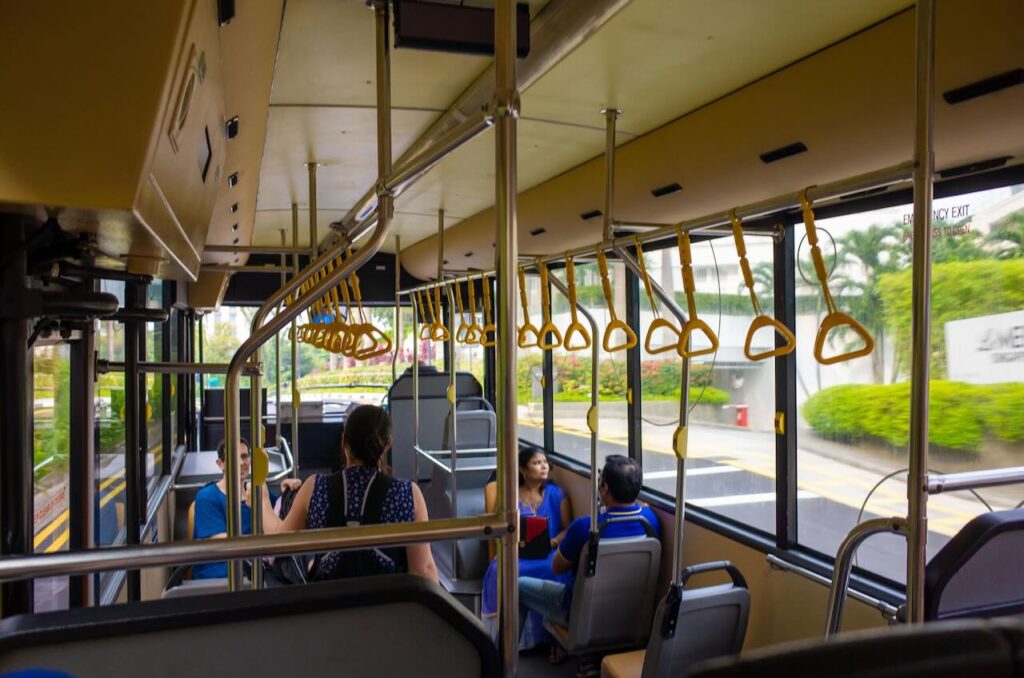
Traveling on a Single Network
How the Bus and MRT Fit Together
Singapore’s bus and rail services share a distance-based fare system and several payment options. The practical question becomes which route takes you where you’re going.
The MRT does much of the longer-distance work, connecting major districts, sights and interchanges. Buses carry people into residential areas and along streets the railway doesn’t reach. The connection between the two lets each do something useful.
What brings them together is the transfer fare. Use the same card or device for every tap. SimplyGo allows up to 45 minutes between a train and a bus or between eligible bus services, and generally up to 15 minutes between different train stations. Other conditions apply, including limits on the number of transfers.
Once you know to tap with the same card, a change from the bus to the MRT feels like a normal part of one trip. The fare is worked out without having to buy another ticket.
That’s where the ease comes from. You can pay attention to the next connection instead of stopping to work out how a different operator charges for it.
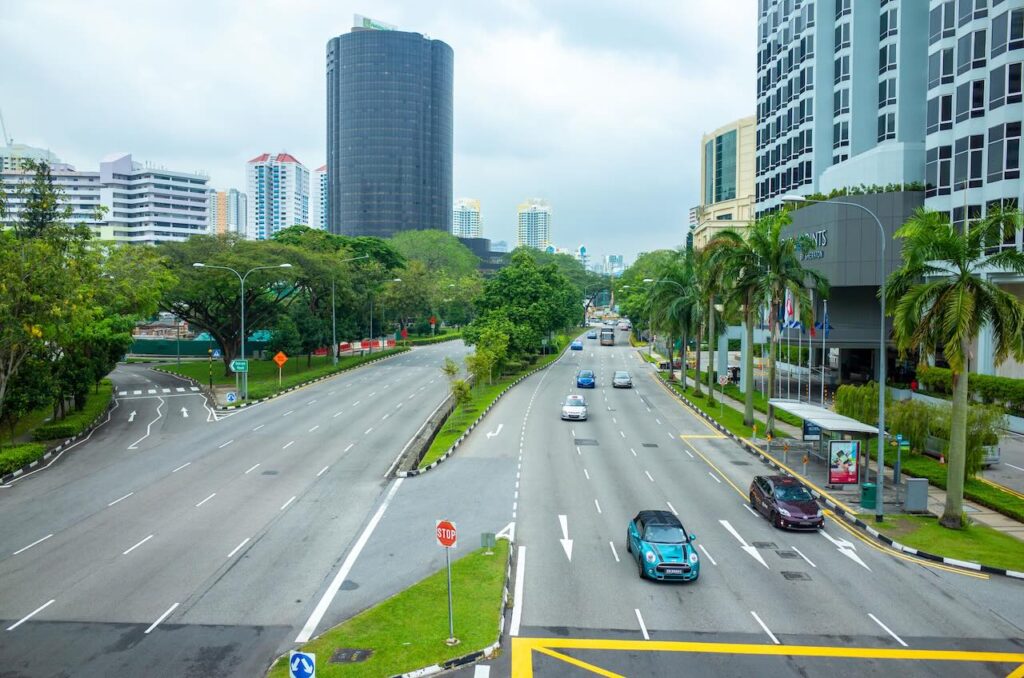
Taking a Bus
A Few Things to Know at the Stop
On some buses I found it easier to follow the stops on a map than to wait for an announcement. The stop names and a route map were usually enough to keep track.
On a typical bus you get on at the front and leave by the rear. Tap in and out with your card so the system can work out the distance. If you pay cash, have the exact fare.
You’ll see double-deckers on some routes. Together with left-hand traffic and right-hand steering, they can remind a visitor of transport in Britain, though double-deck buses have a place in Singapore’s own network.
An abbreviation worth learning is OPP, for opposite. “Opp City Hall” is a stop across from City Hall, which matters when you’re choosing a direction.
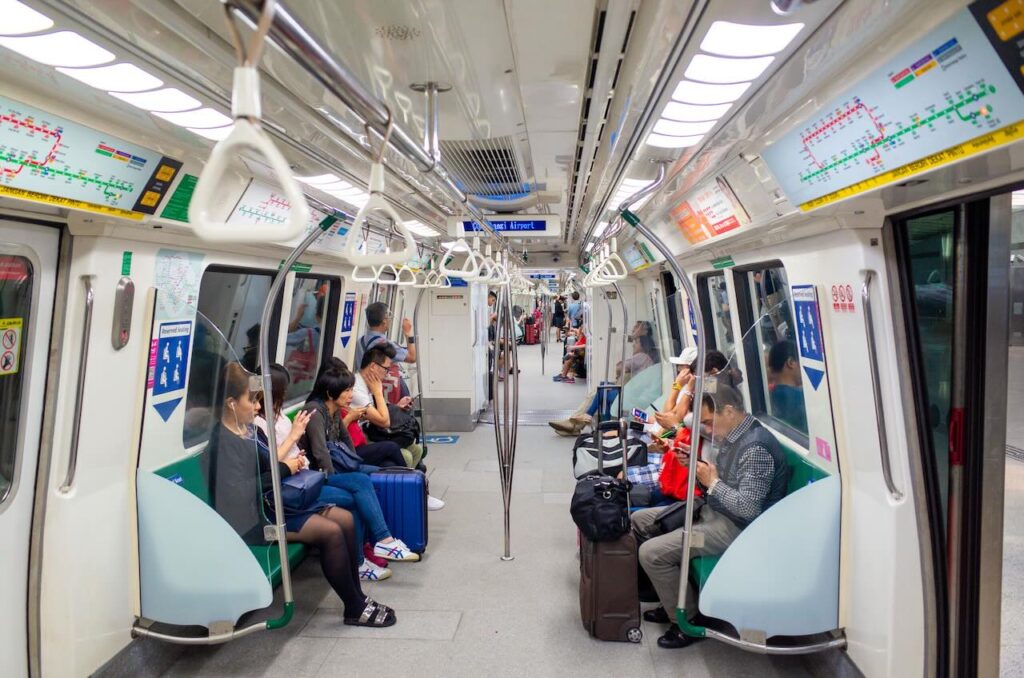
MRT and LRT
The Lines That Carry You Across Town
The Mass Rapid Transit network connects major areas across the island. The Light Rail Transit routes work as local feeders in some residential districts, connecting people with the MRT.
For most visitors, the MRT is the easiest place to begin. It links Orchard and Chinatown and brings you toward Marina Bay. For Sentosa, go to HarbourFront and continue from there on foot or by another service.
From Changi Airport, change at Tanah Merah for the main East–West Line, or at Expo if the Downtown Line is more useful for your route. Check the platform and direction before boarding the connecting train.
Getting Through With One Card
How the Payment Options Have Changed
Visitors used to have to think about a separate ticket or travel card. EZ-Link and the Singapore Tourist Pass are still options. Contactless bank cards can now take you through the same gates.
SimplyGo accepts supported contactless cards issued overseas. A foreign-issued Mastercard or Visa currently incurs an S$0.60 admin fee on each day of use, in addition to the fares charged. Confirm that your card is enabled for overseas use, and use the same card or phone throughout a journey.
An EZ-Link card is still a practical alternative. Top it up and use it across the bus and rail network. It can be useful if you’ll be staying longer or if your own contactless card isn’t accepted.
Cards and top-ups are available from staffed SimplyGo Ticket Offices. The official directory lists current opening times and any breaks. A few useful locations are below.
- Changi Airport MRT
- Orchard MRT
- Chinatown MRT
- City Hall MRT
- Raffles Place MRT
- Bedok MRT
- HarbourFront MRT
- Bugis MRT
- Jurong East MRT
- Bayfront MRT
- Lavender MRT
- Bishan MRT
- Serangoon MRT
A visitor making many trips in a few days might consider a Singapore Tourist Pass. Its first day starts with the first tap and ends when the basic public transport services finish that day. Starting late leaves less time for travel before that day’s coverage ends.
The point is that you have several ways to pay. The best choice depends on what you already carry and how you’ll use the network.
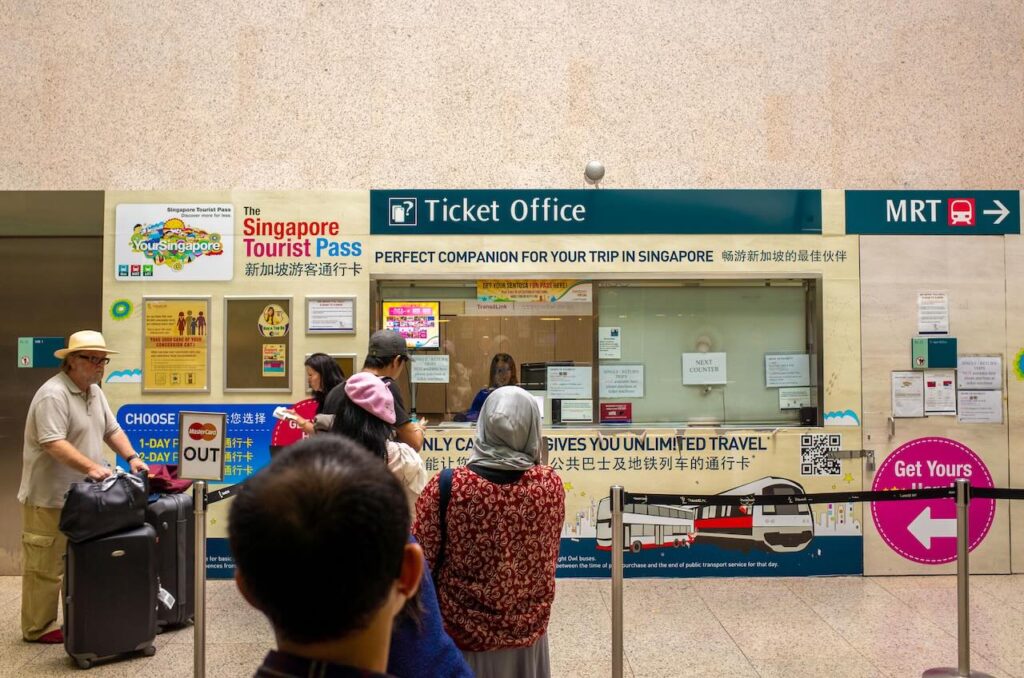
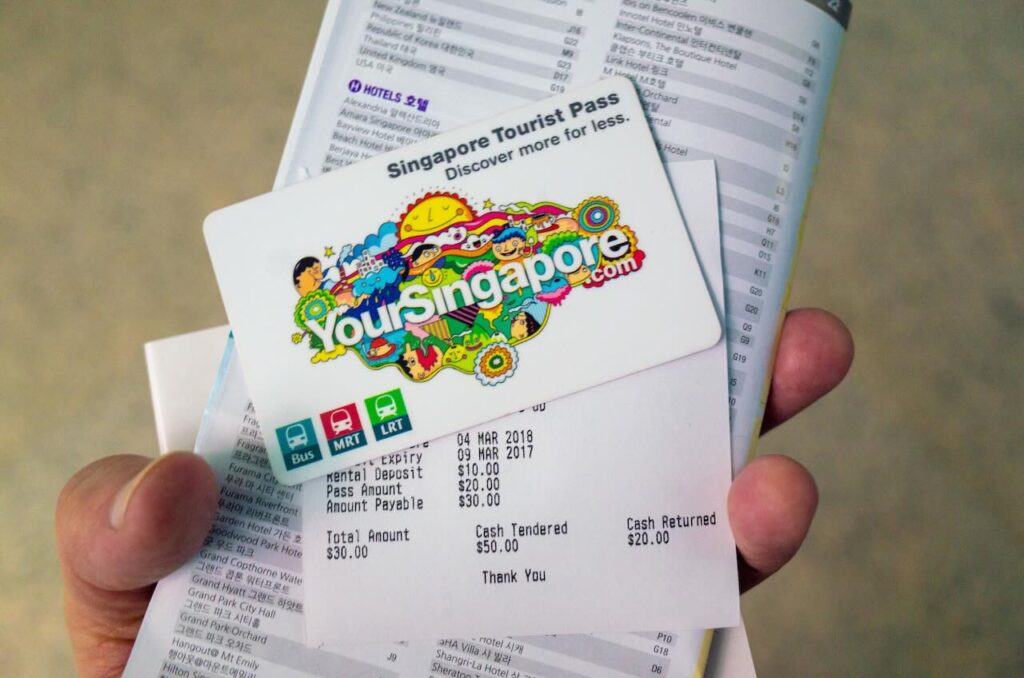
The Singapore Tourist Pass
The pass offers unlimited rides on basic buses and on MRT and LRT trains. The operator lists versions for one to five days. Multi-day passes run on consecutive days. Premium services such as the Sentosa Express are excluded.
Coverage is counted in service days. Day one begins with your first use and runs to the end of service that day. Someone starting at eight in the morning has more hours available than someone making a first trip after dinner.
After the unlimited-travel period, the operator says the card can be topped up and used as an EZ-Link card. Check the terms of the specific version you buy for any conditions on returns or refunds.
The pass can suit someone who doesn’t want to think about the cost of each ride or a schedule with a lot of journeys on the same day. Paying per ride may make more sense when you’re taking only a handful of trips.
What you’re buying is a known cost for the days you use it.
Why Transfers Can Feel Easy
The best part for me was how naturally one leg of the trip led to the next. I could find the signs, follow a passage and take the next train or bus if I’d missed one.
Over time, a consistent way of arranging transfers makes travel feel more familiar. Each completed trip teaches you something you can use on the next.
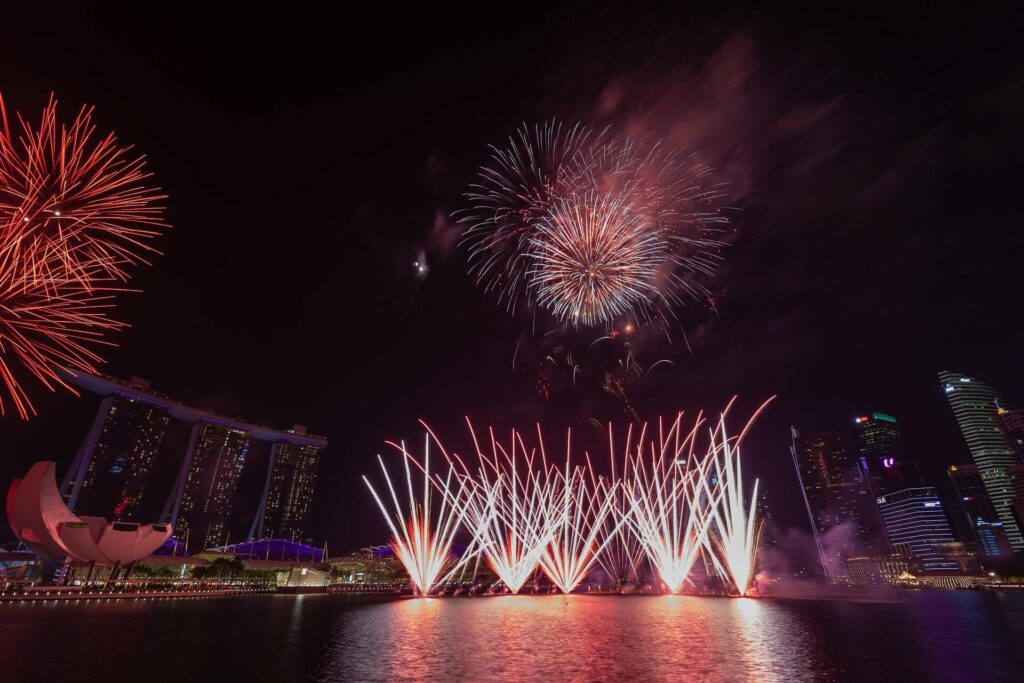
The Network After Dark
At night I found the stations and stops I used easy to see. Each line has its own first and last train times, so it’s worth checking the connection if you’ll be traveling late.
Knowing how you’ll get back gives you more freedom to stay out and see the city after dark.
What a Well-Connected Trip Feels Like
I didn’t feel rushed to learn a new system at each stage. An action that worked at a bus reader worked at a train gate too.
The network felt easiest when I could be new to a route without being new to the way it worked. That’s a small comfort you notice again each time you tap through.
SimplyGo · Contactless cards · SimplyGo · Ticket offices and hours · SimplyGo · Transfer fare rules · Singapore Tourist Pass · FAQ