 WALKSCAPE
 Crosswave Edition
What It Felt Like to Sing at Seoul’s 2025 Japanese Song Contest
2026-01-22
Before I went on
The chance I kept thinking about
I found out by chance that the Embassy of Japan in Korea was holding the preliminary round of its Japanese Song Contest. I had not gone looking for a competition, and it was nowhere on my calendar. Still, I kept coming back to the same thought.
If there’s a stage like this, maybe it’s worth stepping onto it once.
What drew me was the chance to sing in Japanese at an event built around cultural exchange. I also wanted to say Miyu Kano’s name on that stage. Applauding from the audience was one way to support a singer. For once, I wanted to see what it felt like to do it with a microphone in my own hand. Once that thought took hold, I entered.
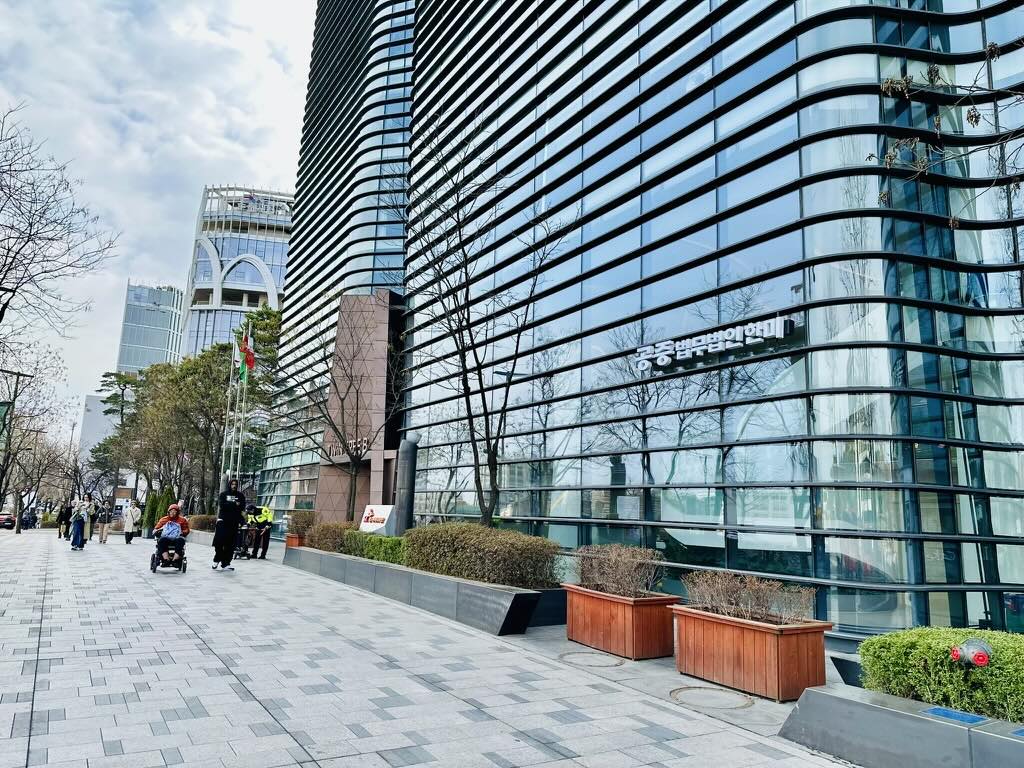
An application and three songs
I sent my application in February, just after coming home from Tokyo and Yokohama. The trip was still fresh enough that filling in the form felt like carrying it a little further.
Choosing a song took longer. I had to think about my voice as it was then, what I could bring to the words and how the song would feel once I was standing in front of people.
I narrowed it down to three songs.
- “DAN DAN Kokoro Hikareteku” (DAN DAN 心魅かれてく), Field of View
- “Boku ga Shinō to Omotta no wa” (僕が死のうと思ったのは), the amazarashi version
- “Betelgeuse” (ベテルギウス), Yuuri
At first I was drawn to the amazarashi song. Its words touched feelings I had been carrying for a while. But at its unhurried pace it took nearly six minutes to sing, and by the time I had practiced it several times in a day, I felt drained. I let it go.
“Betelgeuse” was within my range, but switching smoothly between falsetto and my full voice was beyond what I could count on at the time. That left “DAN DAN Kokoro Hikareteku.” It sat comfortably in my range, and the melody was bright enough that singing it over and over lifted my mood.
The words took longer than the melody
I knew only a little Japanese then, so I had to learn much of the song by sound. Every day after work I stopped at karaoke, sang it once and went home. The words took their time settling in.
I kept mixing up the first and second verses. I could think I had it in rehearsal and still pick up the microphone, start the second verse too early and hesitate at the chorus. I went onstage knowing it could happen again.
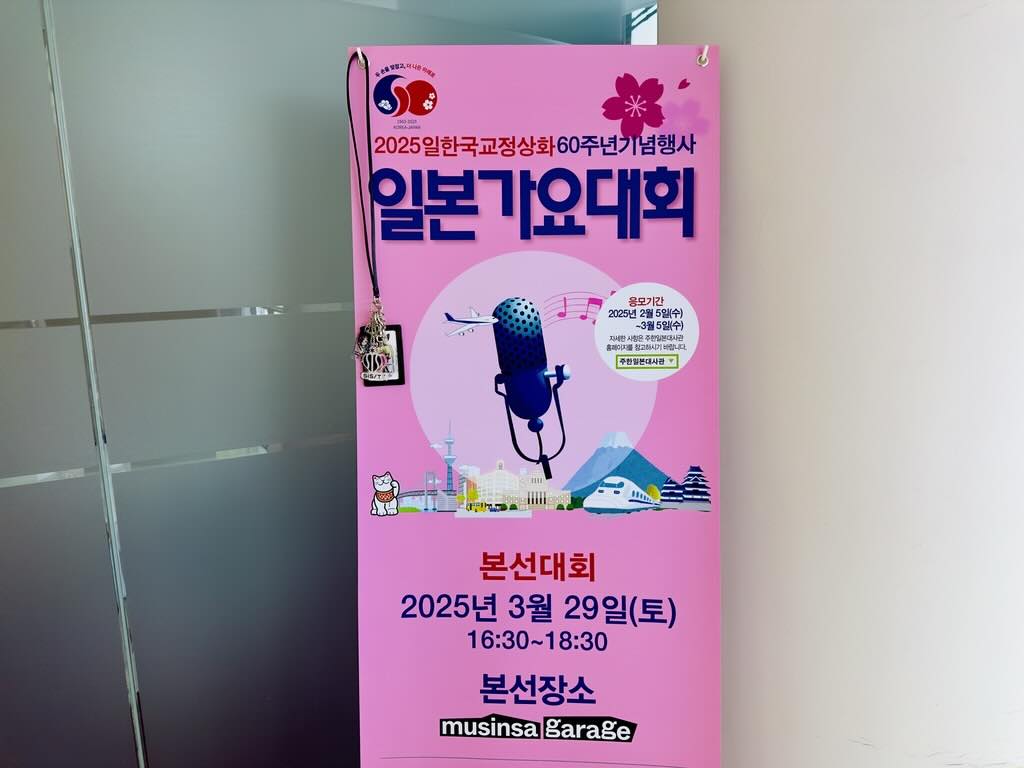
March 15 at the Embassy’s Cultural Center
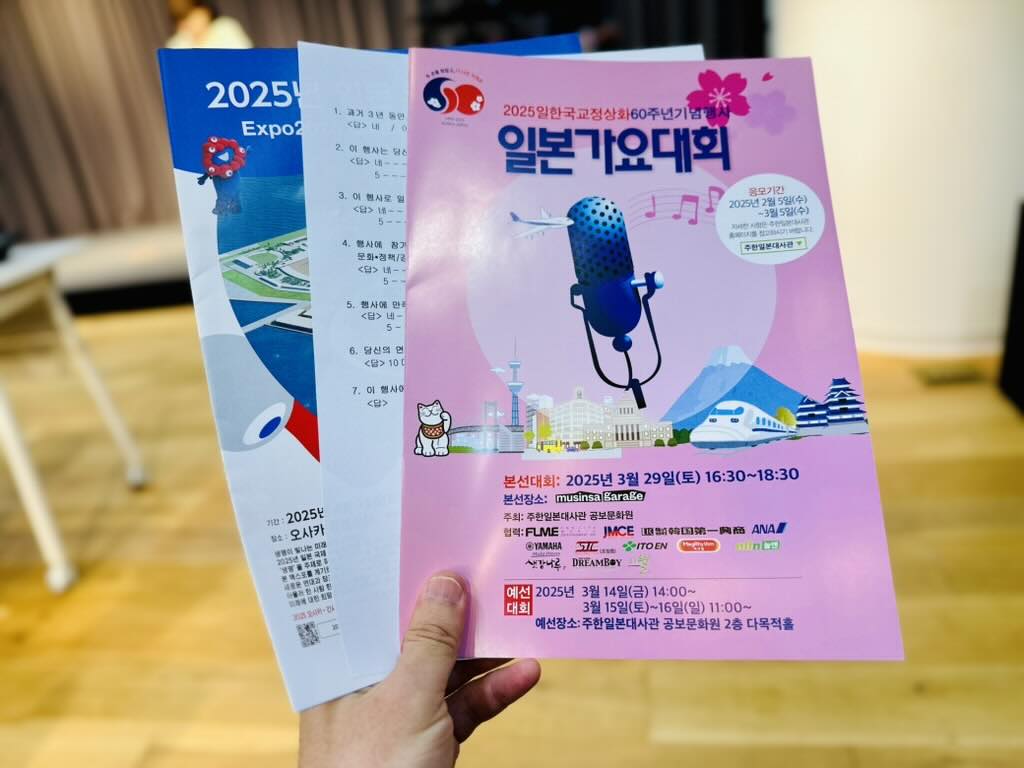
The Embassy’s Cultural Center held the preliminary round from March 14 to 16. We had asked for Saturday, March 15, and got it. It felt like a particularly busy day. The organizers later reported 249 entries and 15 finalists overall.
My slot was at noon, and I arrived around 11. There was a brief security check. I had not realized I would be able to watch other contestants. Seeing them sing gave me some idea of the room and what awaited me there. The closer my turn got, the more clearly I felt it.
Called up first
Someone else was scheduled before me. I had counted on watching that performance to catch my breath. When that person did not appear, my name was called first. I walked up much sooner than I had expected.
“I became a fan of Miyu Kano, and I entered because I wanted to show my support for her as a singer.”
I said that much and started singing. For a moment, getting started was all I could think about.
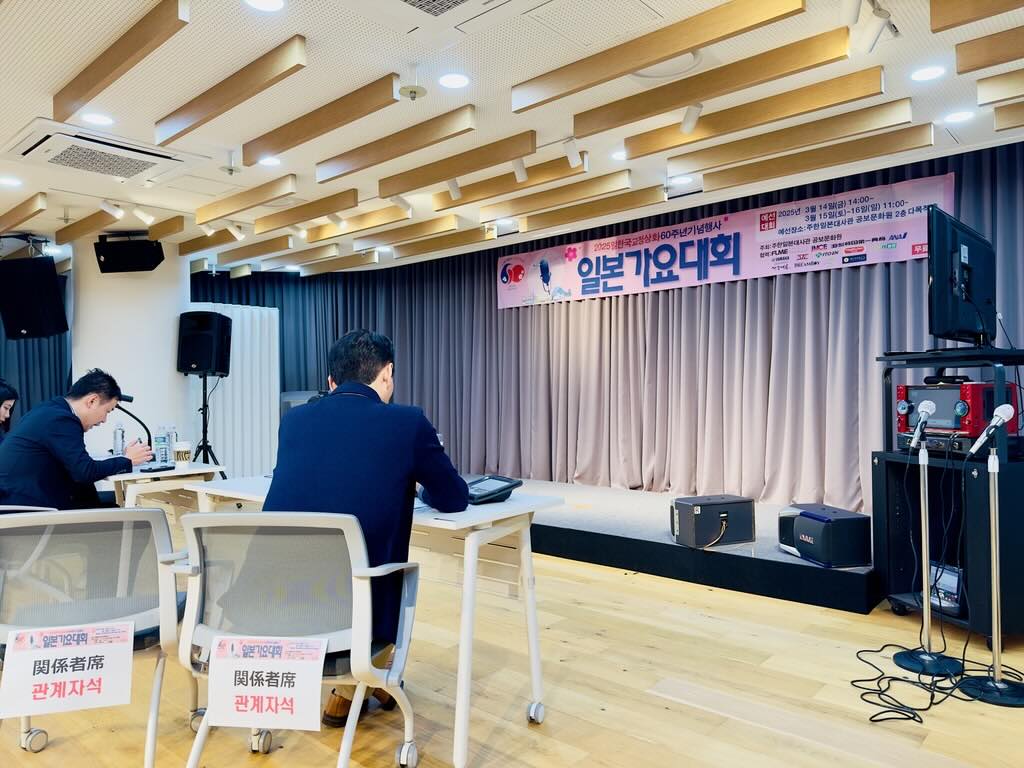
A mask, a DAM machine and a missed verse
I had one decision left before I sang. I was still getting a little cough when I took a breath and engaged my core in practice. Wearing a mask had felt steadier, so I kept it on.
Then I heard the backing track. The venue used the Japanese karaoke system DAM. The Japanese lyrics were on the screen, but I had rehearsed on Korean equipment. The difference was slight and I could hear it from the introduction.
Then came exactly the mistake I had feared. I sang words from the second verse in the first and lost my place in the chorus. My mind went blank. All I wanted was to finish the song. I got to the end and was relieved just to put down the microphone.
What stayed with me
I had hardly sung for some time after the pandemic. Wanting to support someone else had been enough to make me pick up a microphone again. I could hear where my voice fell short of what I remembered. I could also hear that I had started again.
At the time, the notice said finalists would be contacted on March 18, ahead of the March 29 final at Musinsa Garage in Hongdae. Getting there would have meant more time and expense, but I wanted to take the chance if it came. Whatever happened, I had already spoken Miyu Kano’s name on an official Embassy stage. That was enough for the day to stay with me.
2025 Japanese Song Contest preliminaries · Venue and organizer
- Address
- Public Information and Cultural Center, 2F, Twin Tree Tower B, 6 Yulgok-ro, Jongno-gu, Seoul
- Phone
- 02-765-3011 (contest inquiries at the time)
- Website
- Embassy of Japan in Korea