 WALKSCAPE
 Crosswave Edition
What Midnight Diner Knows About Keeping Regulars
2026-01-10
営業時間は、夜12時から朝7時ごろまで。
…
客が来るかって? それが結構来るんだよ。
We’re open from midnight until around seven in the morning.
…
Do I get any customers? Quite a few, actually.
The Master lays out the arrangement in the opening. The diner opens at midnight and closes around seven in the morning. Only a handful of dishes appear on the menu, but he’ll make something else if he has the ingredients. He anticipates the question of who would come in at that hour, then answers it himself.
Midnight is when most restaurants are closing. For someone just getting off work, it may be the first chance to sit down for dinner. When the Master opens at midnight, there’s somewhere that person can go. His last line invites you to think about opening hours from the customer’s end of the day.
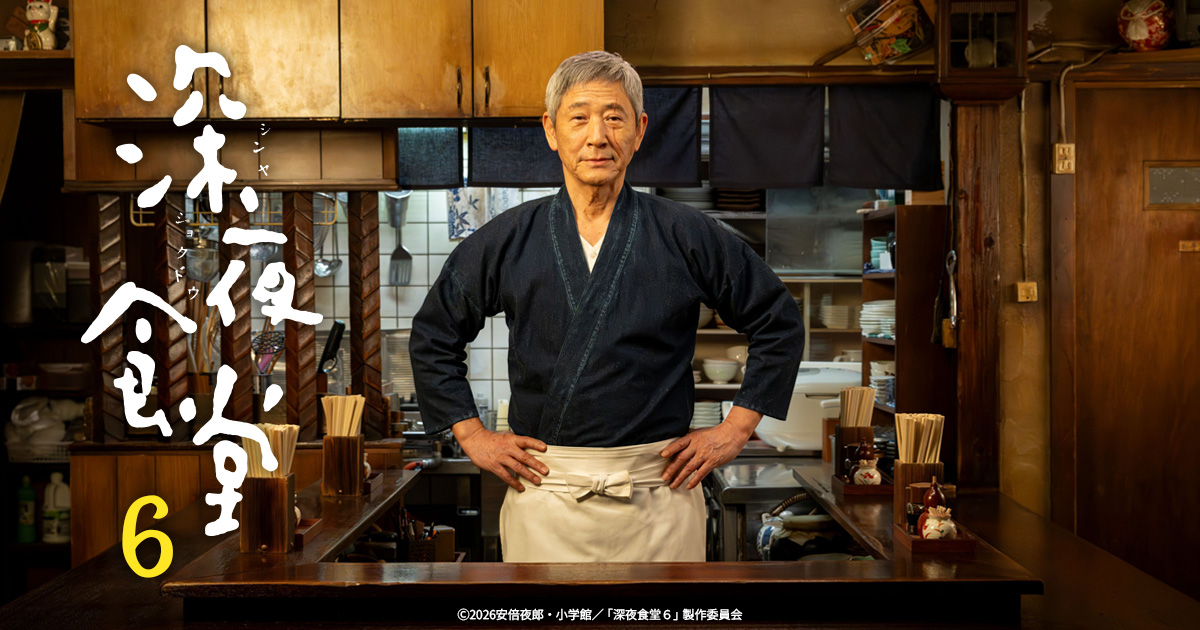
The Man Who Comes In for Butter Rice
In the fifth episode of the first season, a wandering singer called Goro comes in once a week. He orders his usual butter rice and sings. A regular brings in a food critic who starts out making everyone uncomfortable by holding forth on food. After seeing Goro, the critic comes back every week for butter rice himself. Then Goro stops showing up.
The critic can order the same dish. He can’t order the evenings when Goro sat there eating and singing. What the place is worth depends on what has happened to you there. Someone remembers a bowl of rice. Someone else remembers the person they met over it. The episode makes it hard to imagine a menu or a review score capturing what brings a regular back.
Giving People a Time to Come Back
Keeping regular hours lets customers make plans. If you finish work late and know where there’ll be a light on, you don’t have to start looking for dinner from scratch. That expectation takes a few visits when the door is open just as you hoped it would be.
A television series can’t tell us whether opening at midnight is enough to keep a real diner going. There are ingredients and wages to pay for, and there will be nights when no one comes in. What’s worth attending to is the size of the promise the Master makes. He keeps certain hours and makes what he has the ingredients for. A promise within reach can be made again tomorrow.
What Carries Over to a Second Visit
An event can give people a reason to come the first time. On a second visit, they bring their memory of what they found. At a diner that might be the opening hours or a seat where it felt comfortable to eat alone. At a magazine it might be whether the last article made its sources clear and whether the next one is likely to offer the same depth. Publication schedules can change. Readers still need a basis for knowing what to expect when they come back.
The Master’s promise is concrete. The diner is open from midnight until morning, and he’ll take an order if he has what he needs to make it. If people can fit that promise into their day, the place is likely to come to mind the next time they find themselves hungry at that hour.
How Regulars Remember a Place
A business owner asks what will make someone come in. The customer has questions of their own. Will the place still be open when I get there? Can I go in alone and order what I usually have? The regulars in Midnight Diner push the door open again because they’ve already had those questions answered. What makes the butter rice memorable is also the number of nights there was a place to order it.