 WALKSCAPE
 Crosswave Edition
Why Kumamoto Let Businesses Use Kumamon Without a Royalty
2025-12-23
The value of a royalty-free license
What a black bear did for a prefecture
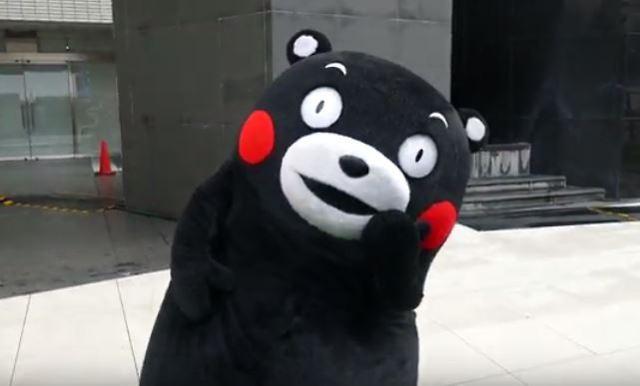
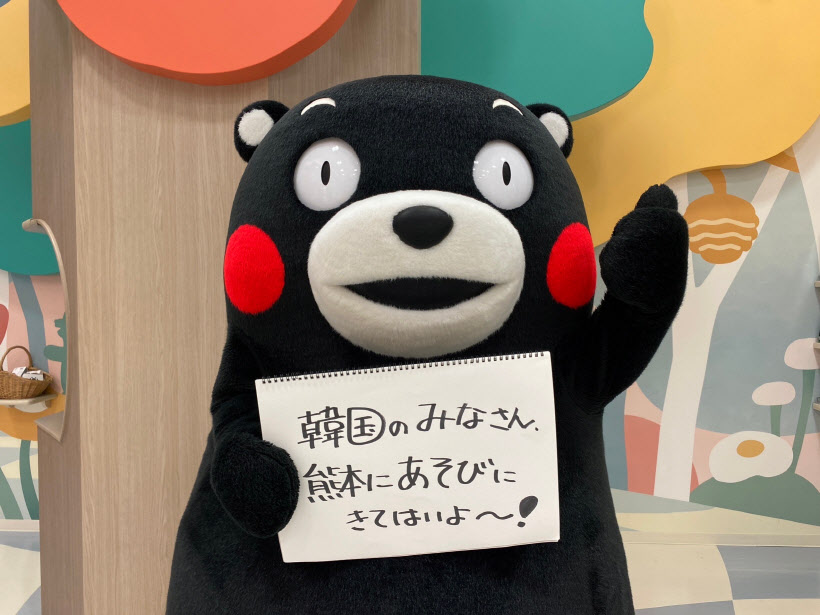
The first things you notice are the red cheeks and the round eyes. The expression is harder to pin down. This is Kumamon (くまモン), a mascot for Kumamoto Prefecture in Kyushu.
The unusual part was the fee. Many owners of characters make money by charging for each commercial use. Kumamoto allowed qualifying uses of its bear without an illustration fee, so local shops had an easier way to put him in front of people.
A face for a new train route
The prefecture developed Kumamon ahead of the full opening of the Kyushu Shinkansen in March 2011. It wanted people who were making new journeys through Kyushu to notice Kumamoto. Other Japanese regions already had plenty of local mascots competing for that attention.
Kumamon had a face people could read in more than one way. The expression was simple enough to recognize at a glance and ambiguous enough to fit a surprising number of captions, costumes and situations.
The step that set him apart was what the prefecture let other people do with the image.
Permission to put the bear on something
The prefecture set up a process businesses could use when their proposed artwork met certain purposes, including promoting Kumamoto and its products.
The domestic rules allow approved uses without an illustration fee. The prefecture still reviews applications and sets conditions.
That made some commercial uses possible without royalties while preserving standards for the artwork and where it appeared.
Kumamon turned up on produce packaging, souvenirs and promotional material. Each application could give a small shop another recognizable way to show its connection to Kumamoto.
Sales that went to the people making the goods
Kumamoto’s official survey estimated about ¥150.3 billion in retail sales of products using Kumamon in 2025. The total since the survey began in 2011 was about ¥1.77 trillion. These figures are estimated sales of the goods themselves. They do not measure prefectural revenue or how many sales the illustration caused.
The important thing was that the prefecture’s name kept traveling with the image. The bear gave people a recognizable face for a place.
A packet of food or a souvenir could carry Kumamoto’s name into a shop a long way from the place that made it. The more often customers met the bear, the more often they had a reason to recognize the name attached to him.
What a public mascot can be for
The prefecture treated Kumamon as something businesses could use to tell a local story and something the prefecture could share to widen its reach.
That policy made sense if the prefecture cared about getting the character into ordinary shops and routines. It could forgo a fee on each approved use while businesses made and distributed the things people encountered.
The value that stayed in Kumamoto’s name
A licensing decision can decide where a brand goes and who does the work of taking it there. In Kumamon’s case, some of the best places to be seen were ordinary products made by people the prefecture wanted customers to find.
How far the bear could travel
Kumamon can now appear far beyond the market he was designed to promote. The rules distinguish domestic illustration use from overseas use, where a different licensing route can apply. What the original model shows is how far an image can travel when local businesses have a reason to put it to work.
The case makes me think about what a brand gets from allowing others to carry it under clear terms.
How much does the character gain from all the people who get to use it?
That is what I remember about Kumamon. The bear could travel much farther than a campaign poster, and each new appearance gave Kumamoto another way to introduce itself.