 WALKSCAPE
 Crosswave Edition
What a Bag of Oysters Means in a Korean Winter
2025-12-22
One Oyster or a Whole Bag?
As winter sets in, steaming broths come to the table more often and cold-season seafood begins to show up in the market. Oysters are among the ingredients I most look forward to. Their appearance is one of the ways a Korean kitchen keeps time.
A high-end European restaurant might charge the equivalent of ₩10,000 or more for one oyster. At a Korean market in season, around the same amount can buy a bag. Part of the difference comes from comparing restaurant service with market shopping. The contrast also gets at something more interesting: what the two customers will do with their oysters.
When the Oyster Season Comes Around
Oysters are sometimes called “the milk of the sea” in Korea. They provide protein and minerals including iron and zinc, and have long had a reputation as a nourishing food. The months I associate most closely with oysters are November to February, when they come into their own on Korean tables.
Winter oysters can be plump and firm, with a balance of brine and sweetness. The oyster’s glycogen reserves are one factor in that sweetness, and season can affect how much is stored.
Oysters go into rice soup, savoury fritters, spicy salads, rice-cake soup and plates of bossam. After a few weeks of seeing them everywhere, they start to feel like a sign of winter itself.
What a Single Oyster Can Cost
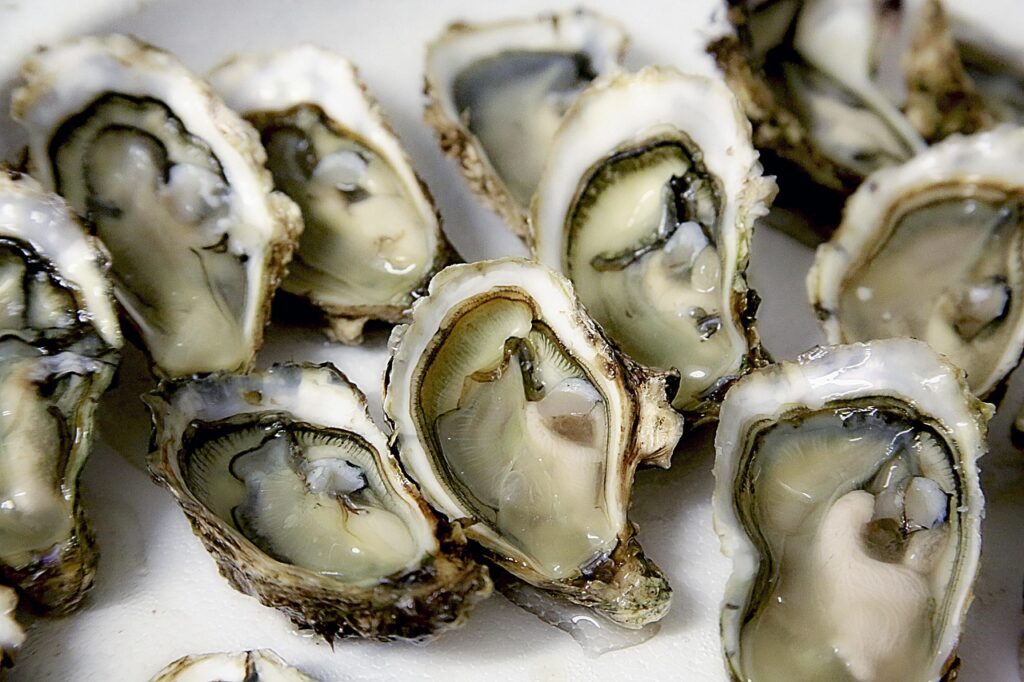
Order oysters at a high-end restaurant in Europe or North America and they might come raw, with lemon and a glass of sparkling wine. Where the oyster came from, its size and the service all matter. One can cost the equivalent of ₩8,000 to ₩10,000, sometimes more.
In that setting, the oyster is part of a special meal. It is presented on its own so the diner can attend to a single bite.
That is a different use for an oyster from the one you have in mind when you stop at the market on the way home.
A Bag for the Kitchen
Look at the seafood counter in a Korean market or supermarket and you can see shucked oysters sold in bags. Prices vary by place and season, but ₩10,000 can go a surprisingly long way in winter.
Availability helps explain the price. Oyster farming is established along Korea’s southern coast, where local conditions and a long-developed supply network get the catch to market.
When oysters are abundant, they become an ordinary seasonal ingredient. You buy enough to make a pot of soup, fry a plate of fritters or toss a bowl of seasoned oysters to share.
What Korean Cooks Do with Them
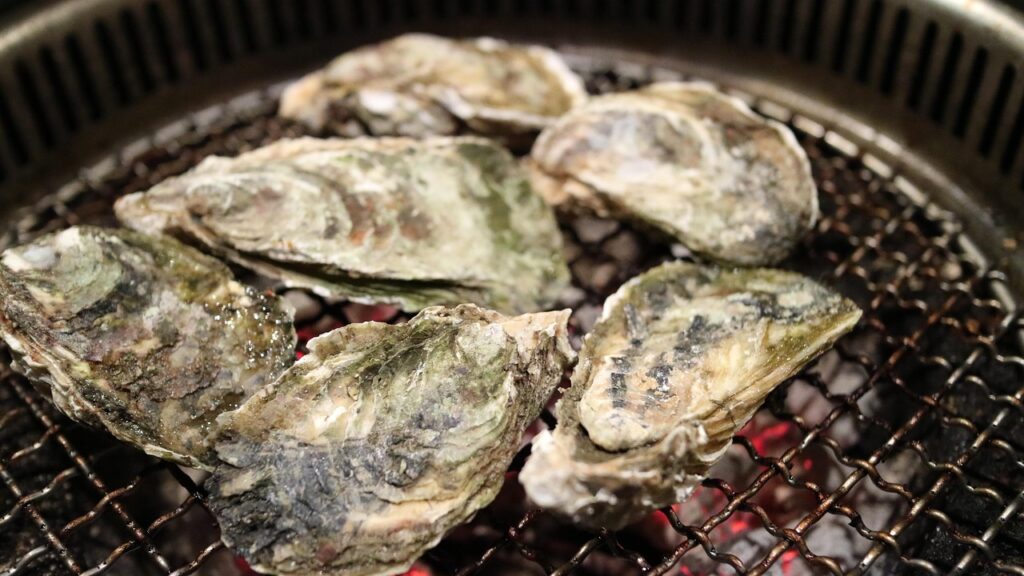
Oyster rice soup is a familiar winter meal. Oyster fritters turn up at holidays or next to a drink. During kimchi-making season, some cooks add oysters to the filling. There are also ways to eat them raw. Each approach makes use of the oyster’s own flavour.
The cooking makes a difference. In soup the broth takes on some of the oyster’s brine. Fried, it makes a tender centre inside the savoury coating. Both are reasons to bring a bag home.
The Feeling of the Season
You go to the market in cold air, pick up a bag of oysters, rinse them and put a pot on. The sequence itself belongs to the season.
Between November and February, a bowl of oysters can feel like something you ought to eat now. That sense has held on even as more ingredients have become available year-round.
An Inexpensive Taste of Winter
A single oyster at a restaurant and a bag at the market are different purchases. What makes the Korean winter version special is how easily it becomes a meal.
The bag puts the sea and the season within reach. Take it home and you find out what an oyster can do when there are plenty of them to work with.
When winter arrives, I find myself wanting oysters. By then, I rarely feel the need to ask why.