 WALKSCAPE
 Crosswave Edition
The Technology Behind a Starbucks Order
2024-01-10
Starbucks interests me partly because I spend time in its stores. The company began in Seattle as a retailer of coffee beans and equipment. The coffeehouse that grew out of it offered a place to stay and talk as well as something to buy.
South Korea’s first Starbucks opened near Ewha Womans University on July 27, 1999. The price of a coffee drew attention at first, along with pointed remarks about the people paying it. Today the chain is a familiar place to arrange a meeting.
A walk around Gwanghwamun shows how close together several branches can sit in central Seoul. I notice how often they come to mind when someone suggests a place to meet.
A global brand meets local coffee cultures
Starbucks spread from Seattle into markets around the world. A cup of coffee even became a handy informal way to compare prices across countries, much like the Big Mac Index.
The same format met different expectations in different places. Maeng looks at Italy, Australia and Vietnam, all with established coffee cultures. In each, a familiar local way of drinking coffee gave Starbucks a different market to work with.
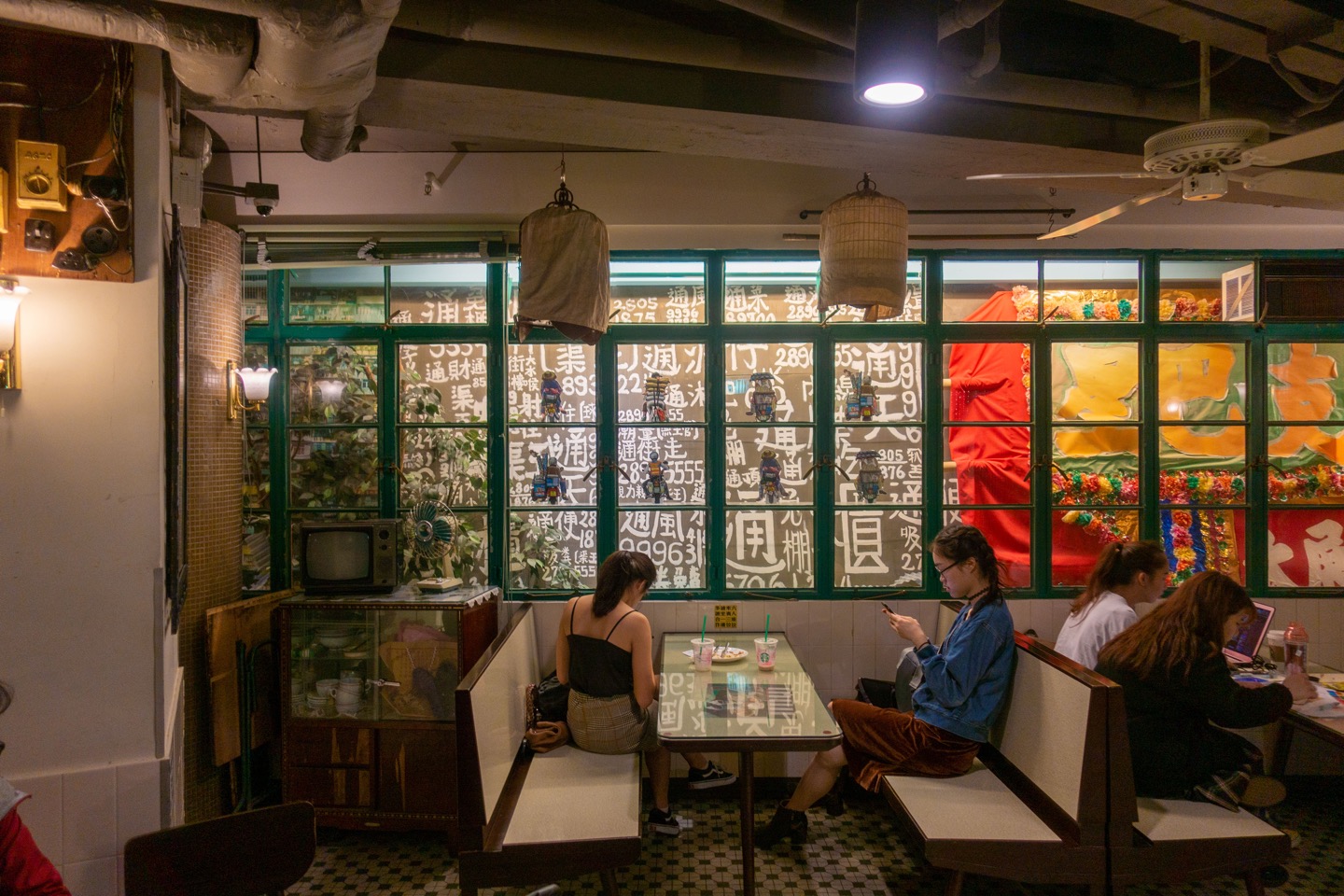
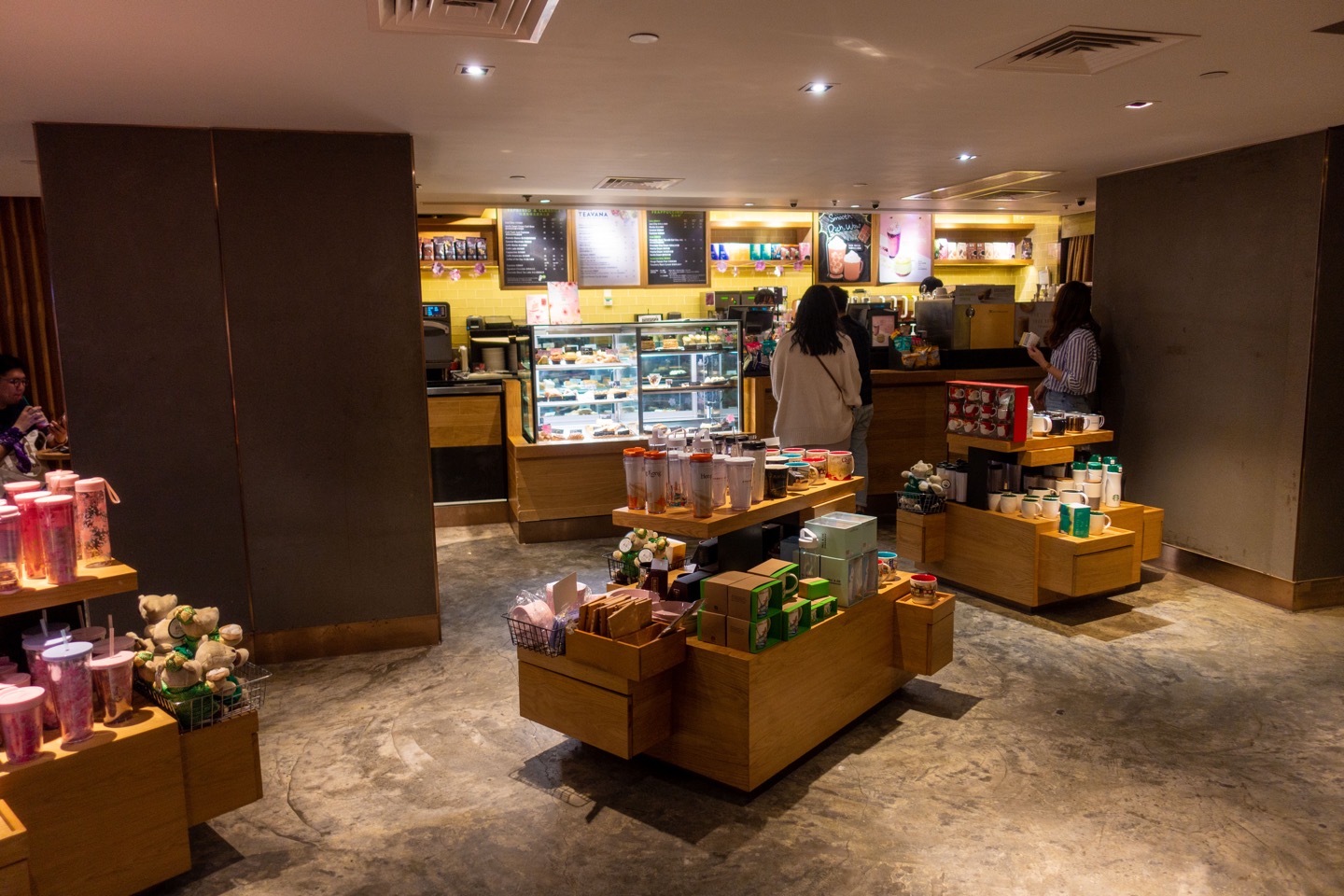
The third place in South Korea
In South Korea, I could find a Starbucks in busy commercial districts and a larger one built around a particular setting farther out of town. The same brand could give people different reasons to go.
Before Starbucks, South Korea already had dabang and other cafés. What struck me about Starbucks was how widely it put across the idea of a third place: a room you could use between home and work, with fairly clear expectations about how long you could stay.
Reading about Starbucks from inside a store
I was in my neighborhood Starbucks when I wrote this, with a book about Starbucks on the table. It was a good place to notice the difference between the part of the business I could see and the systems Maeng was describing.
The Future of Starbucks came out in 2021, when the pandemic was still shaping how customers ordered and visited. Some examples belong to that particular moment. They still make it possible to see the direction Maeng thought the company was taking.
The data behind the cup
Coffee creates many of the data points the book discusses. An order records what sold, when and where. Enough orders give the company a different way to think about the next menu or store.
The data also comes from equipment. Maeng looks at how the company used connected machines and cloud services, as well as the tools it brought to decisions about locations.
- Microsoft and Starbucks described using Azure Sphere to connect equipment and identify potential maintenance problems. A connection could also make it easier to distribute new recipes.
- The mobile app used data about a customer’s previous choices and the circumstances of an order to make recommendations. Starbucks discussed that kind of personalization as part of its digital work.
- Starbucks also explored using Microsoft’s blockchain service to make more of the bean’s route from farm to package visible.
- For new locations, Maeng describes a store development tool called Atlas that considers factors such as demographics, traffic, commercial activity and public transport.



Ordering, paying and earning Stars
Siren Order, the mobile ordering feature in South Korea, gave customers a way to order ahead. During the pandemic, delivery offered a separate way to reach customers who were spending less time inside cafés.
Ordering on a phone can remove one queue for a customer. In the store, the work of preparing the drink still has to fit around the orders arriving at the counter.
A customer can also pay in the app with a prepaid Starbucks balance. The company receives payment before serving the drink and carries an obligation until that value is used or accounted for.
The rewards system brings a further reason to return. Qualifying orders can earn Stars that customers can redeem under the program’s rules.
How close is that to a financial business?
Maeng asks whether payments and loyalty could eventually take Starbucks into territory that resembles financial services. I read the idea as a question about the future, prompted by the scale at which a café already handles prepaid value.
At the end of its 2020 fiscal year, Starbucks reported about $1.28 billion in deferred revenue related to stored-value cards and its loyalty program. That figure represented an obligation connected to prepaid cards and rewards.
The book also considers whether technology such as blockchain could make it easier to use value across markets. That possibility still depends on what companies build and what they are allowed to offer.
What interests me is how far you can take a retail experience before the payment system becomes an important part of the business in its own right. Starbucks still has to make it worth coming back for a drink.
In South Korea, Kakao grew from messaging into a group that also includes banking and securities businesses. I can see why an example like that made Maeng’s question seem worth asking.
Kim Young-han’s book helped me notice the room and the service in it. Maeng’s made me notice what happens when an order moves through a phone, a rewards account and the equipment behind the counter.
- Read next — Kim Young-han’s Benchmark Starbucks
Further reading
- Seoul National University Business School — The Future of Starbucks
Book details
The Future of Starbucks
- Author
- Maeng Myeong-gwan
- Published
- May 5, 2021
- ISBN-13
- 9791191517040
We may earn a commission if you buy through the affiliate link in this article.