 WALKSCAPE
 Crosswave Edition
What Itadakimasu Says Before the First Bite
2026-05-08
Watch a meal begin in Japan and you may notice a short pause. The chopsticks stay on the table for another moment. Then someone says it.
いただきます (itadakimasu).
In Korean, a familiar equivalent is jal meokgesseumnida, roughly “I’ll enjoy the meal.” Both are things people say before eating. But itadakimasu can start to feel different the more often you hear it. You can say it over a meal you bought for yourself, outside a restaurant or when nobody else is there.
If it were simply a courtesy addressed to the person who served the meal, saying it alone would feel odd. Yet that can be when it sounds most natural. It can mark the start of what you are about to do, even when there is nobody to address.
You say it, then lift your chopsticks. That order is fairly consistent.
That is why the expression can feel like a switch. Once you have said it, the meal can begin.
The Verb Means “Receive”
The verb itadaku (頂く・いただく) is a humble way to say receive when you are given something. It can also be used humbly for eating or drinking. In the expression itadakimasu, the underlying sense is close to “I receive this.”
Think about what you are receiving. It does not have to be a meal someone prepared for you. You can say it over a convenience-store lunch, a drink from a vending machine or a meal you eat on your own.
Who are you saying it to, then? Whether someone prepared the food or it came to you another way, eating involves taking in something that was set before you. Saying itadakimasu can be a way to notice what you are about to do even when nobody is there to hear it.
Eating is so familiar that it is easy to pass through it without thinking. Do it three times a day and it becomes automatic. In Japanese, this small phrase sets the beginning apart.
It is a way of saying to yourself, “Now I’m going to eat.”
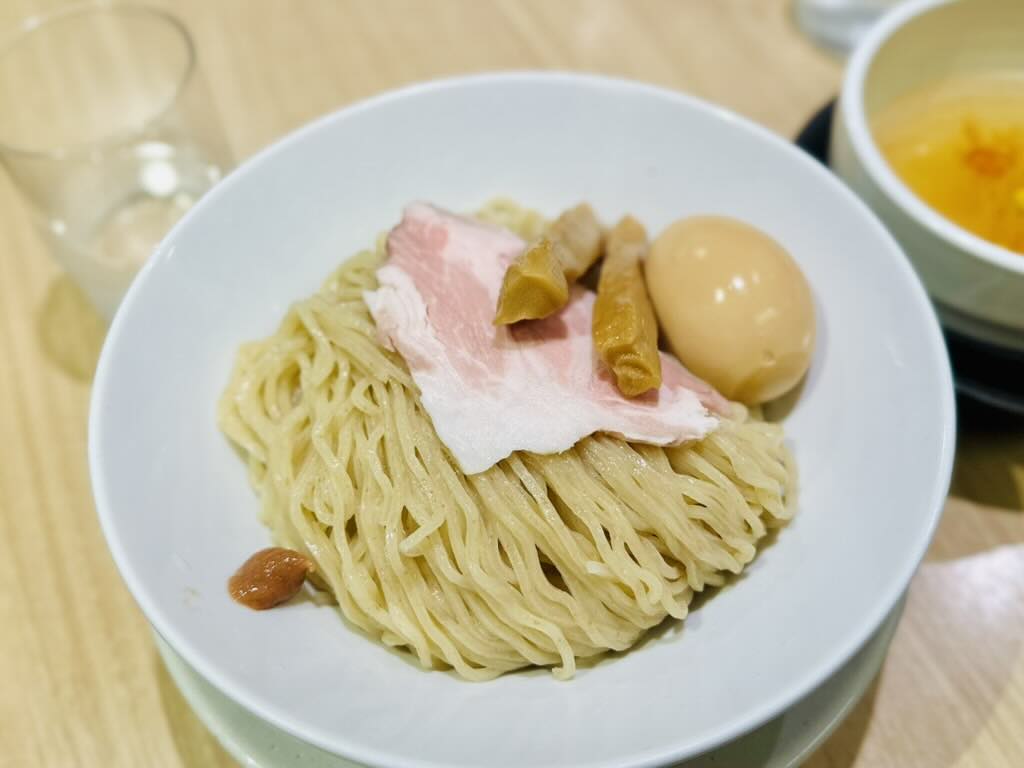
Why It Feels Different From “Thank You”
Arigatō, or “thank you,” responds to something someone has done. It sounds natural when there is another person to thank. Itadakimasu still works when you are alone.
That difference makes it stick. Thanking someone depends on the situation. This expression can go with the action itself. After a while, hearing it feels like hearing an ordinary part of the day.
A foreign expression often stays with you because it is tied to something you do. Itadakimasu repeats with the start of each meal, so it tends to stick even without studying it.
Words That Mark a Beginning and an End
There is another expression people usually remember alongside it.
ごちそうさまでした (gochisōsama deshita).
You say it when the meal is over. Whether you particularly liked the food is beside the point. It brings the meal to a close. Taken together, the two expressions mark the beginning and end of an action.
| Expression | Reading | Common translation | What it does |
|---|---|---|---|
| いただきます | Itadakimasu | I’ll enjoy the meal. | I’m about to start eating. |
| ごちそうさまでした | Gochisōsama deshita | Thank you for the meal. | I’ve finished eating. |
That helps explain why someone might say it over convenience-store food. The expression goes with the act of eating, whatever happens to be on the table.
How It Sounds in Conversation
- いただきます。
- I’ll enjoy the meal.
- 手(て)を合(あ)わせて、いただきますと言(い)った。
- They put their hands together and said itadakimasu.
- もう食(た)べていい?
- Can I eat now?
- うん、いただきます。
- Yes. Itadakimasu.
- ごちそうさまでした。
- Thank you for the meal.
What a Short Translation Leaves Out
Remembering itadakimasu as “I’ll enjoy the meal” gets you through the situation, but it leaves part of the expression unexplained. It does not rate the food. It does not require someone to address. It gives an ordinary action a moment of attention.
Eating is so familiar that it rarely feels special. The words give you a moment to pause. Then the meal starts.
Itadakimasu is part of table etiquette, but it is also a way to pay attention to what you are doing in the moment.
A translation gives you a phrase to memorize. Understanding what it does gives you a reason to remember it.