 WALKSCAPE
 Crosswave Edition
Goraku and Kōraku: Two Ways to Think About Enjoyment
2026-02-28
Two Similar Sounds and Two Ways to Spend a Day
When Mixing Up the Sounds Helps You Remember
Japanese words with similar sounds can make you stop in the middle of a sentence. Sometimes that pause helps. You recall the words often enough that both begin to stick. Goraku (娯楽・ごらく) and kōraku (後楽・こうらく) did that for me.
The sounds are close enough to make you wonder which one you heard. Goraku is the everyday word for recreation or entertainment. Kōraku, with a long first vowel, is familiar from a name built around the idea of enjoying something afterward. Setting them side by side gives me a way to remember both.
The connection is the sort of small thing that makes it easy to return to a word on another day.
Goraku (娯楽): Enjoyment Now
Goraku (娯楽・ごらく) is a general word for entertainment, amusement or recreation. It can cover going to a film, playing a game, listening to music or putting on a video.
I picture the time after work when I lie down and put something on without thinking much about what it will be. That time does me some good. It’s difficult to stay switched on from morning to night.
Sometimes I can barely remember what I watched, though I remember the relief of putting it on. That’s my own way of picturing goraku: a little enjoyment that makes a day easier to get through.
Kōraku (後楽): Enjoyment That Comes After
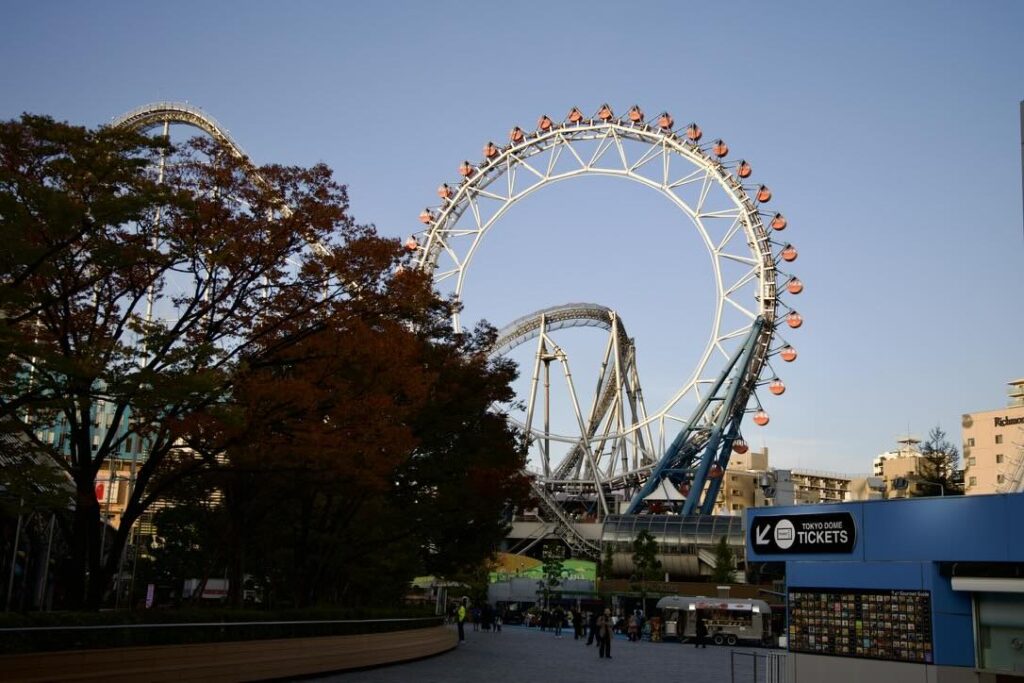
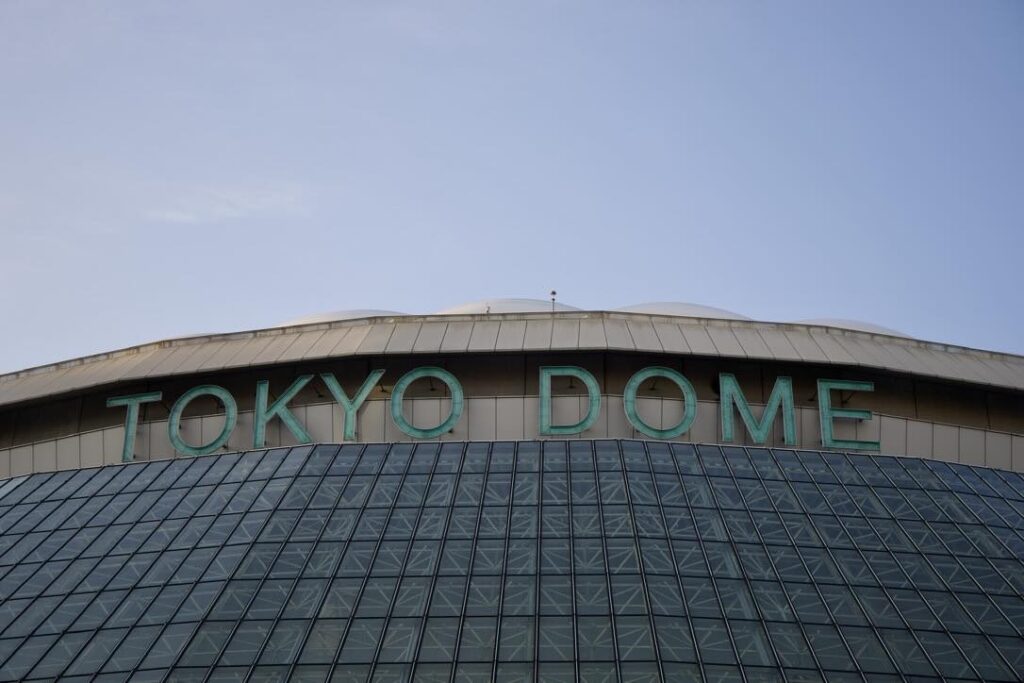
Kōraku isn’t a common standalone word in this sense. You may still recognize it if you’ve been near Tokyo Dome. The historic garden beside it is Koishikawa Kōrakuen (小石川後楽園).
The garden’s name refers to a passage by the Chinese writer Fan Zhongyan about tending to the world’s worries before others do and enjoying its pleasures after they do. I remember the last part as enjoyment that comes later, once the responsibilities in front of you have been met.
Today the name sits beside an arena that people go to for a concert or a game. An afternoon of immediate entertainment takes place beside a garden named for an idea about when enjoyment should come. The contrast makes the words harder to forget.
The Words Side by Side
The characters and the vowel length are enough to keep these straight.
| Word | Reading | Meaning |
|---|---|---|
| 娯楽 | ごらく | recreation, entertainment or amusement |
| 後楽 | こうらく | enjoying afterward, in the classical idea behind the garden name |
| 後楽園 | こうらくえん | Kōrakuen, the garden name used in the area near Tokyo Dome |
For me, goraku brings to mind something I enjoy today. Kōraku brings to mind a garden name that asks what comes before enjoyment.
Once you put the words together deliberately, the likeness in sound becomes something you can use.
When the Words Give You a Way to Think About the Day
These words became easier to remember when they started to describe something I actually did. Am I taking time to unwind tonight, or taking care of something so that I can enjoy what follows?
Both have their place. People need a chance to rest. It can still help to know what you want the hour to do for you.
The question is as much of a reminder as I need. What I’m doing this evening can bring the pair of words back to mind.
Examples in Context
- 私(わたし)の娯楽(ごらく)は音楽(おんがく)を聴(き)くことだ。
- Listening to music is what I do for fun.
- 最近(さいきん)、娯楽(ごらく)に時間(じかん)を使(つか)いすぎた。
- I’ve spent too much time on entertainment lately.
- 先(さき)にやることをやって、後(あと)で楽(たの)しむ。後楽(こうらく)の考(かんが)え方(かた)だ。
- Do what needs doing first and enjoy yourself afterward. That’s the idea behind kōraku.
- 後楽園(こうらくえん)の近(ちか)くは夜(よる)もにぎやかだ。
- The area around Kōrakuen is lively even at night.