 WALKSCAPE
 Crosswave Edition
A Simple Way to Remember Mikata, “Someone on Your Side”
2026-02-28
One Japanese Word to Remember From Mitaka
Why an Easy Word Can Be Hard to Recall
Sometimes the words that take longest to stick are the easy ones. I make an effort to learn a difficult word. With a basic word, I assume I’ll hear it often enough to remember. Then when I need it in a conversation, it comes to mind a beat too late.
That’s how it was for me with mikata (味方・みかた) in Japanese. It means an ally or someone on your side. I recognized it in dramas and in textbooks. I still couldn’t say it quickly when I wanted to.
A thing has a shape you can picture, and a verb may give you an action. This word describes a position in a situation. If I remembered only the translation, I could recognize it without having a quick way to reach for it.
I needed something else to call the sound to mind.
Mitaka Gives the Word a Place to Start
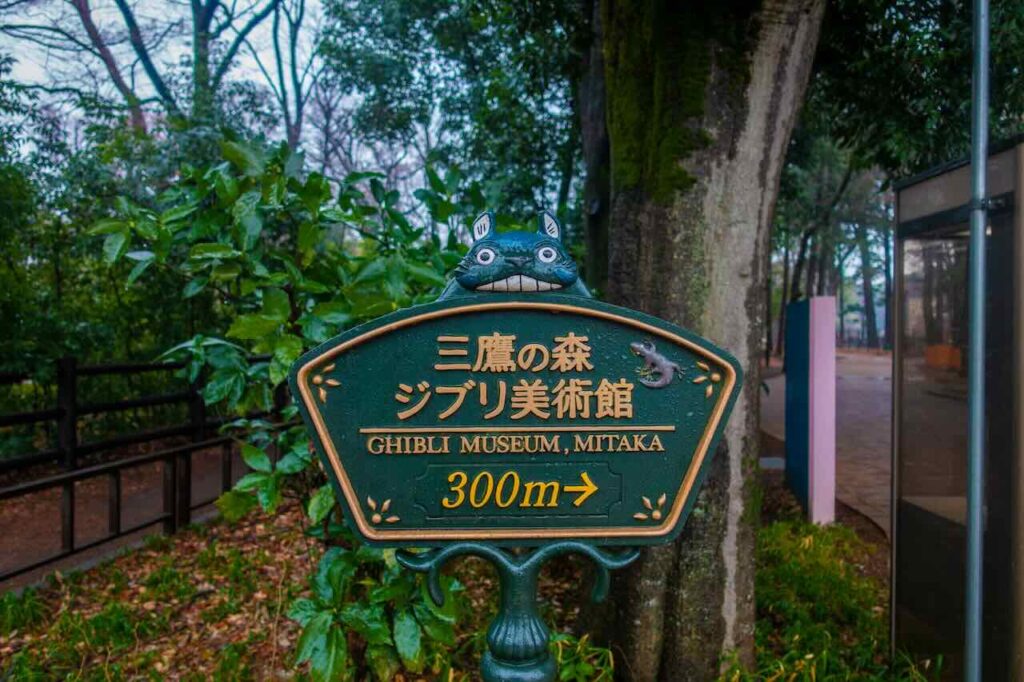
Mitaka (三鷹・みたか) is west of central Tokyo, a short ride from Shinjuku on the JR Chūō Line. Many visitors know it for the Ghibli Museum in Inokashira Park. If you like Totoro or other Studio Ghibli films, the name may already sound familiar.
Around the station, the town feels residential. Families walk toward the park, and people gather around the museum for a timed entry before the area gets quiet again. It’s an easy place to picture.
The characters 三鷹 could suggest three hawks. Mitaka City traces the name to falconry grounds that once extended across three territories. It’s a vivid image to carry into a neighborhood of homes, a museum and a park.
For remembering the word, the sounds are the useful part.
- みたか (Mitaka)
- みかた (mikata)

Mikata Tells You Whose Side Someone Is On
Once the sounds are paired, it’s easier to bring back the meaning. Suki (好き・すき) expresses liking. Tomodachi (友達・ともだち) means a friend. Mikata tells you which side someone is on.
In 私はあなたの味方です, the person is saying, “I’m on your side.” It can be reassuring because it tells you where the speaker is willing to stand when the situation gets difficult.
Remembering the Opposite Helps
There’s one more word that helps make it stick.
Teki (敵・てき) means an enemy or opponent. The two words can come up together.
「敵か味方か」
“Friend or foe?”
Remembering teki alongside mikata gives the pair some structure. The important question is where the two people stand in relation to each other.
The Three Words Side by Side
| Word | Reading | Meaning |
|---|---|---|
| 三鷹 | みたか | Mitaka, the place name that helps you remember |
| 味方 | みかた | an ally, someone on your side |
| 敵 | てき | an enemy or opponent |
Mitaka (三鷹・みたか) → mikata (味方・みかた) → its opposite, teki (敵・てき).
The sounds give the word a route to your memory without having to translate it first.
What Changes in Conversation
Often it’s a familiar word coming to mind too late that stalls a conversation. There are plenty of moments when you want to tell someone you’re on their side. If you wait for the phrase to go through another language first, the moment may pass.
With these two sounds linked, Mitaka brings me straight to mikata. The meaning arrives with it.
That’s about as much as I need to remember.
Mitaka brings up mikata, and the opposite of mikata is teki.
There’s a little satisfaction in having the right word come to mind when you need it. It gives you a reason to keep learning the next one.