 WALKSCAPE
 Crosswave Edition
The Sony RX100 IV Took My Everyday Photography Further
2026-05-04
Looking for a Camera After the Ricoh GR
I used the same Ricoh GR for years. It got me blogging in earnest, and most of my travel record came from it. Eventually the lens barrel began to fail. I would turn the camera on and the lens would stay put, or it would come out and refuse to retract.
When you take photographs regularly, a broken camera can feel like an interruption to the record you have been keeping. I started looking for a replacement and considered a DSLR. The practical problem was weight. I knew a camera I could not carry every day would see much less use. I wanted to record trips and ordinary life, which meant finding something I could keep with me.
That narrowed the choice to a premium compact. I settled on the Sony RX100 IV, also known as the RX100M4.
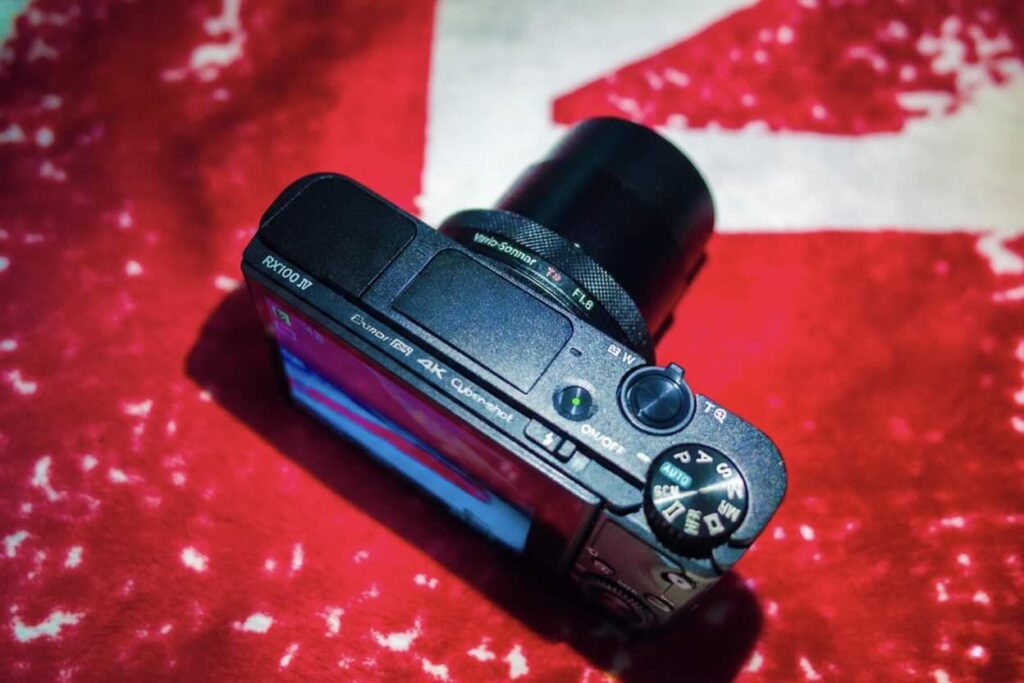
The Sony RX100 IV Premium Compact
The RX100 line already had a reputation as an unusually capable point-and-shoot. A camera small enough to fit in one hand was drawing comparisons with DSLRs and had been well received in photography communities.
From the first time I handled it, the Sony felt different from the Ricoh. The GR had controls that felt as if they were designed around a photographer’s hand. The Sony’s strengths were in the technology. I preferred the Ricoh’s grip and buttons, while the RX100 IV offered more on the specification sheet.
- Aperture: f/1.8–2.8
- Shutter speed: up to 1/32,000 sec
- ISO: 80–12,800
The aperture was what I liked most. The practical difference between f/1.8 and the f/2.8 I had been using was larger than I expected. Indoors or after sunset, I had often raised the ISO substantially. The Sony held a usable exposure longer in those situations.
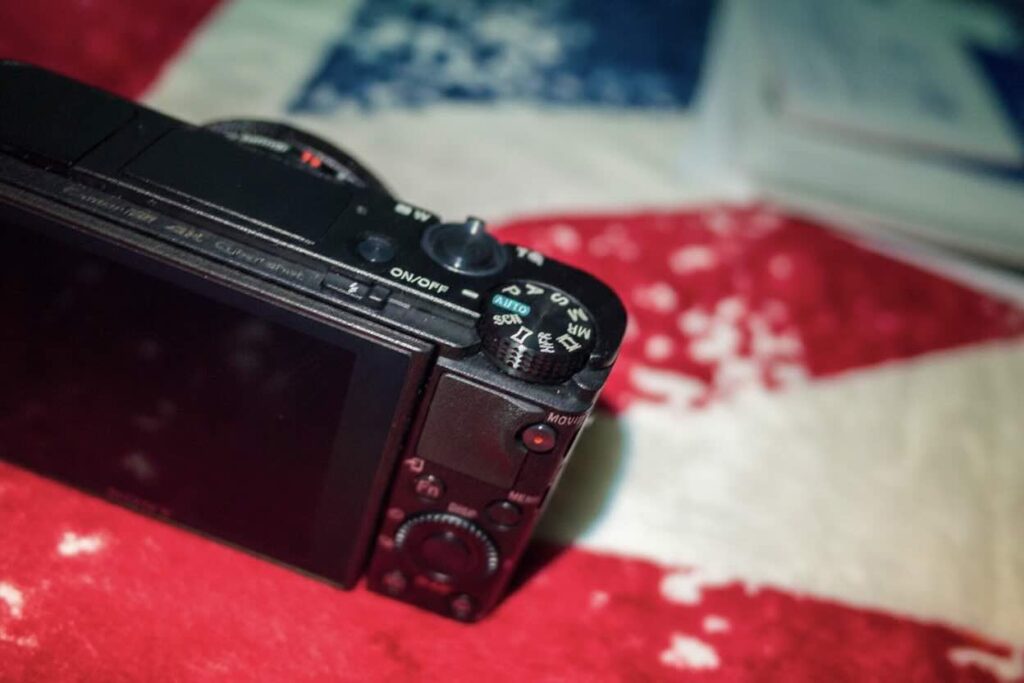
A Small Camera With Capable Results
Keeping a blog taught me that good photographs often come from the camera you carry most. A DSLR can produce excellent images, but it is difficult to carry one every day. Mine would have stayed home until a trip or a special occasion.
The RX100 IV fit in a pocket. I would take it out with me without deciding in advance to spend the day making photographs. That changed how many photographs I made.
The moments that make a good snapshot tend to happen in the middle of an ordinary day. They rarely wait for you to be ready. The RX100 IV was small enough to be within reach when one happened.
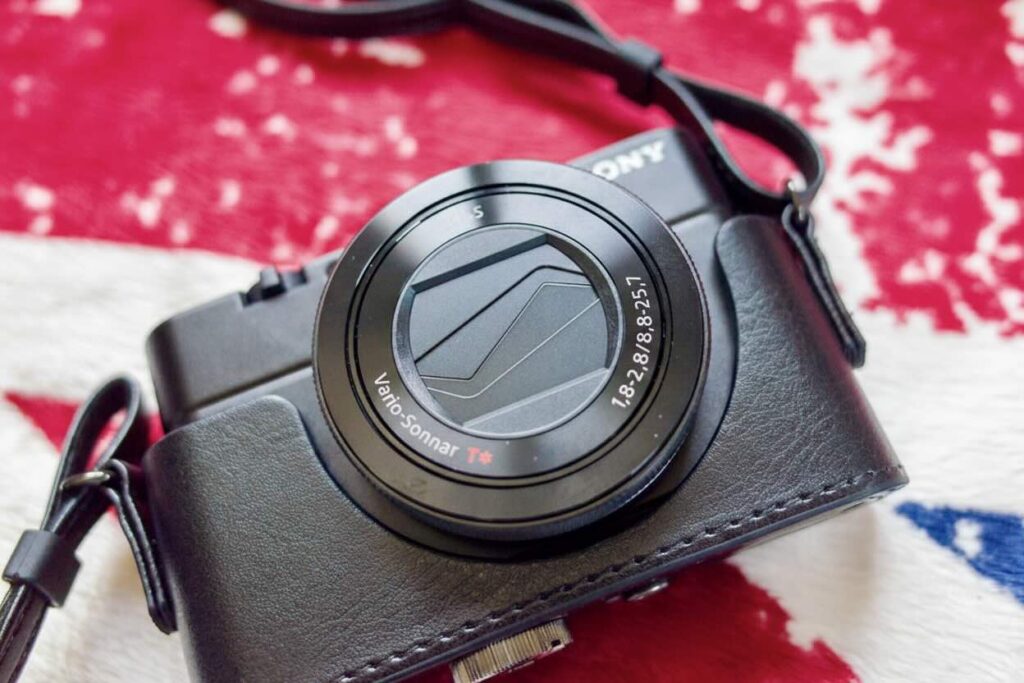
Why I Bought the Fourth Generation
The RX100 V was already on the market. It was the newer camera, but it cost more than a million won. That felt like a large investment for someone still finding his way with cameras.
So I bought the previous generation, the RX100 IV.
A promotion brought the price to ₩849,000 and included a leather case and strap. Choosing the older model turned out to be a sensible decision for me. The differences in everyday use mattered less than I had expected, and the performance was good enough for what I needed.
What the Photographs Looked Like
Photographs are ultimately what you judge a camera by. The RX100 IV had a recognizably Sony look: crisp detail, clear contrast and fairly cool color. Where the Ricoh GR sometimes gave me something closer to a film look, the Sony produced a polished digital image.
There were limits at night, especially compared with an APS-C camera. Among compacts of similar size, the results were strong. I was particularly happy with the photographs I made in daylight and indoors.
Video and the Technical Trade-Offs
Video was one reason the RX100 IV drew attention. It could shoot 4K and offered capable slow-motion modes, unusual priorities for a premium compact at the time.
Shooting 4K had conditions. It needed a fast memory card and could run up against heat limits. The feature still made Sony’s direction clear: this was meant to work for both video and stills.
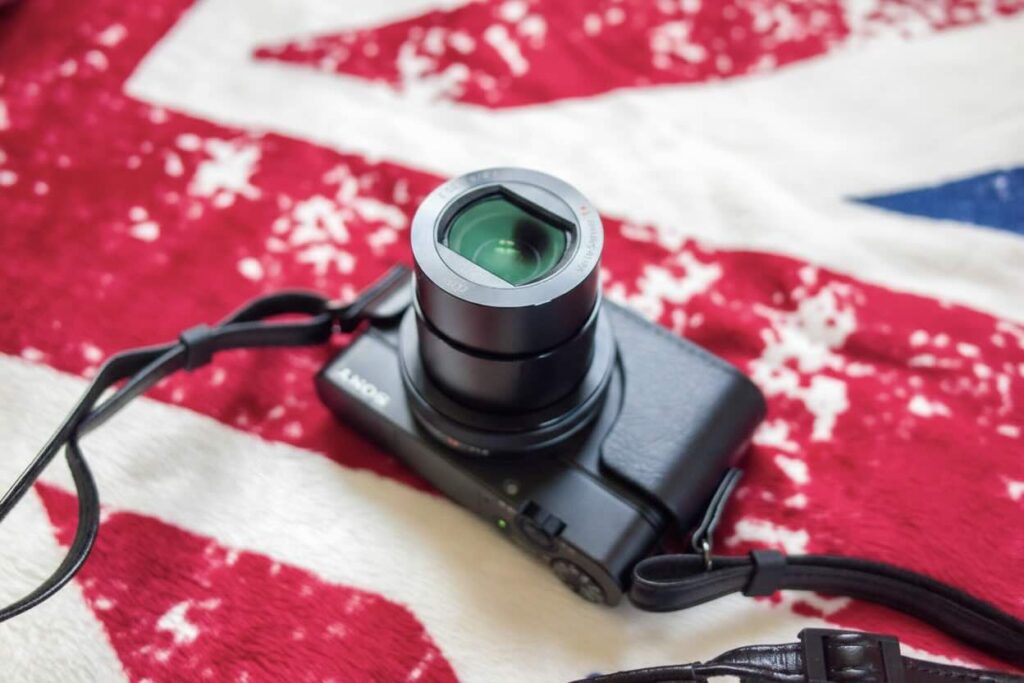
A Different Beginning From the Ricoh GR
The Ricoh GR got me started with photography. The RX100 IV kept me at it. It was a camera I took everywhere, which kept the record going. Most of my trips, events, walks and ordinary days ended up in its files.
A camera ultimately helps you keep a record. It needs to be something you want to keep using. The Sony did that job. A DSLR could do more in some circumstances, but this was the camera I had with me.
In photography, that makes a bigger difference than I expected.
Product Information
Sony RX100 IV (RX100M4)