 WALKSCAPE
 Crosswave Edition
The Ricoh GR and the Habit of Carrying a Camera
2026-04-30
The Camera That Got Me Started
The longer I used cameras, the more my criteria changed. I started by looking at megapixels and specifications. Eventually I asked, how often will I actually take this with me? A collection of photographs begins with having enough chances to make them.
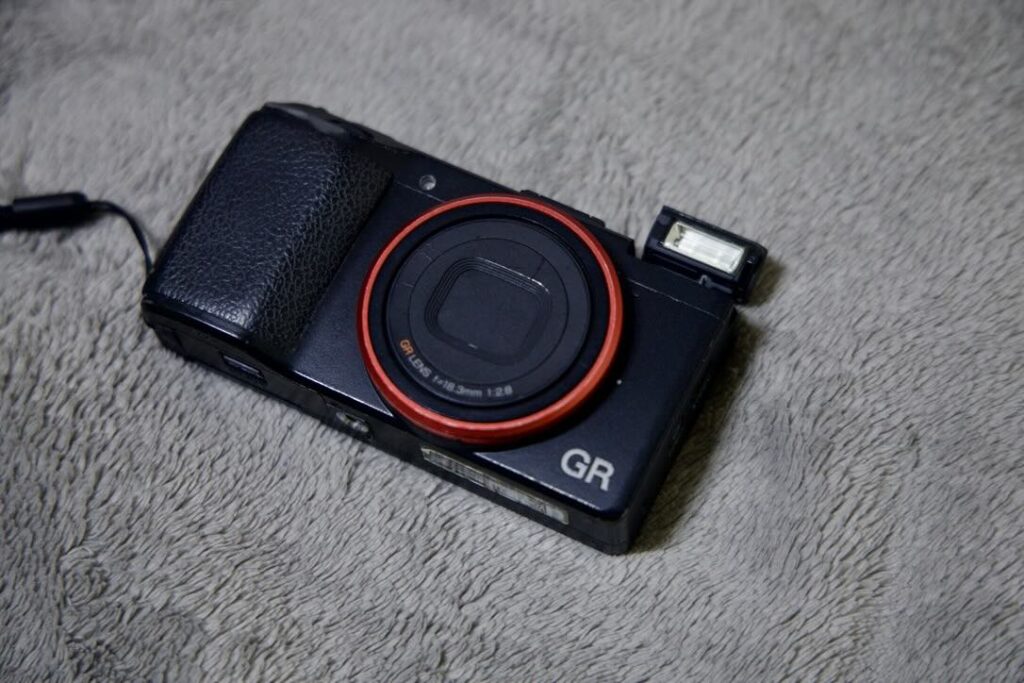
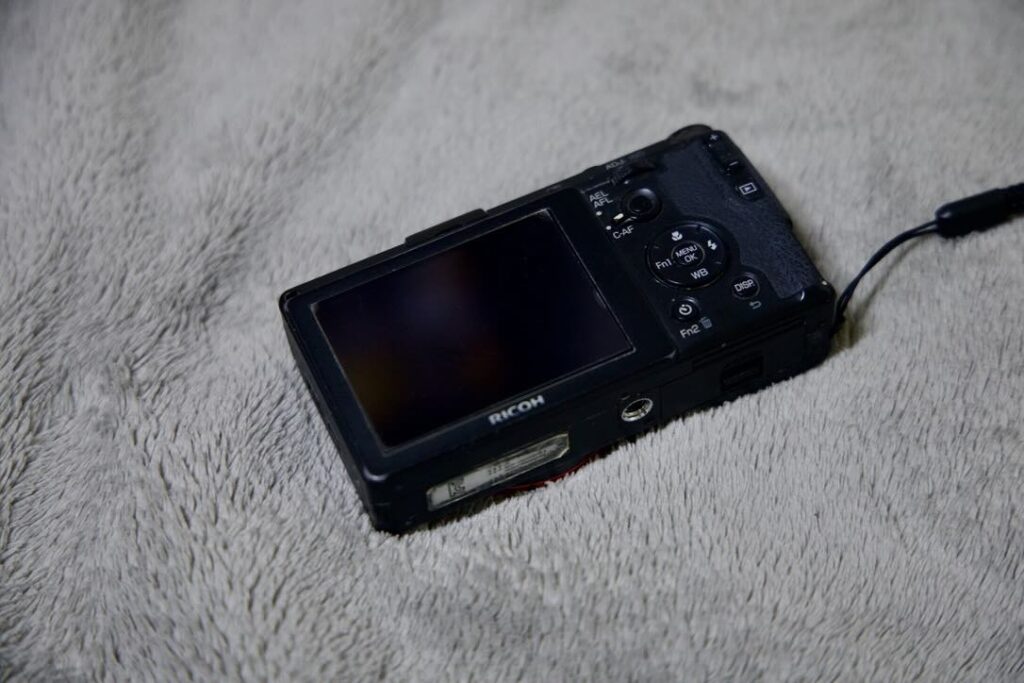
For me the answer was the Ricoh GR, the digital camera that carried forward the ideas behind the GR1 series. When I bought it in 2013, I was not thinking about its place in camera history. I had read that it was easy to carry and made good pictures. I was just starting out at work, and a camera costing several hundred thousand won was something I needed time to think about.
Once I started using it, I realized it was a camera that slipped into daily life. When I carried a DSLR, I felt as though I was going out to take pictures. With the GR, the camera was already with me when I went out. Photography became one part of what I was doing.
Weight is one reason people stop taking a camera out after getting into photography. Some days you just want to go somewhere without bringing equipment. The GR removes much of that decision. It fits in a pocket, is light enough for one hand and is ready to shoot as soon as you turn it on. That changes how often you make photographs and what kind of photographs you make.
I went from waiting for the right moment to keeping a record as I passed through it. The difference was larger than I expected.
What an APS-C Sensor and a 28 mm Lens Can Do
Even on a specification sheet, the GR stood apart at the time.
An APS-C CMOS sensor, a fixed 18.3 mm lens equivalent to 28 mm, an f/2.8 aperture, a shutter speed up to 1/4000 sec and ISO 25,600 make this a premium compact on paper. The decision that mattered most to me was the field of view.
A 28 mm lens sits somewhere between familiar categories. It is wide enough to take in a scene and leaves you close enough to feel you are part of it. That made the GR a camera for everyday life.
The lack of a zoom might look like a limitation. It gives the camera a way of working. To change the frame, you have to move: step closer, back up, or move to one side. The act of moving helps organize the picture. Unnecessary elements fall out of the frame and the composition becomes simpler.
This is one reason photographs by different Ricoh users can feel related. The camera changes what you do, and what you do changes the picture. That is difficult to explain with specifications alone.
Why It Works for Snapshots
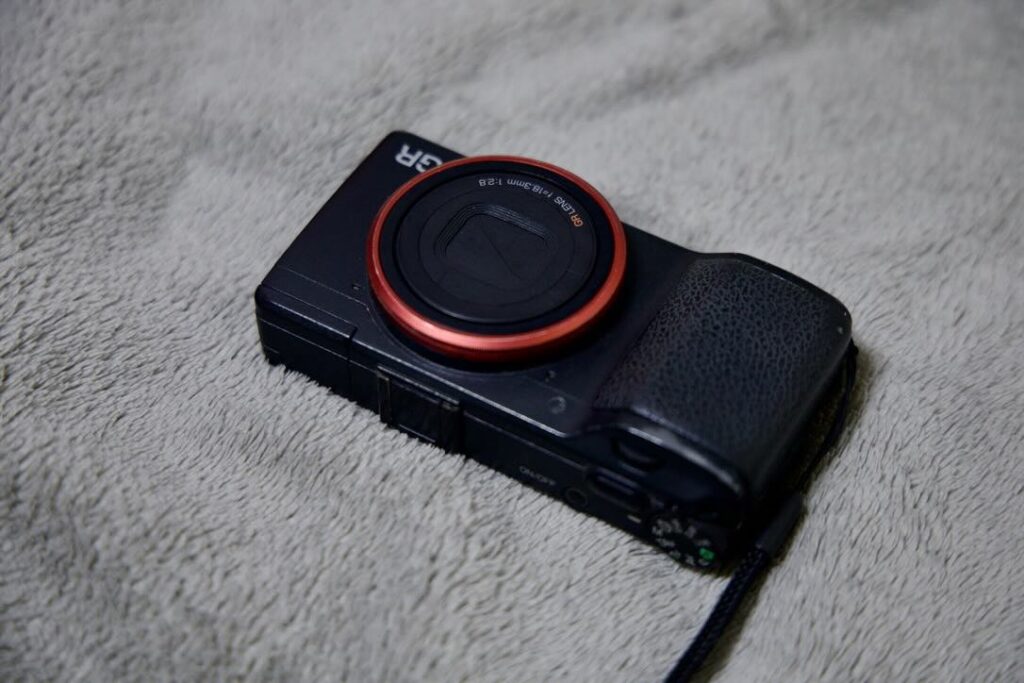
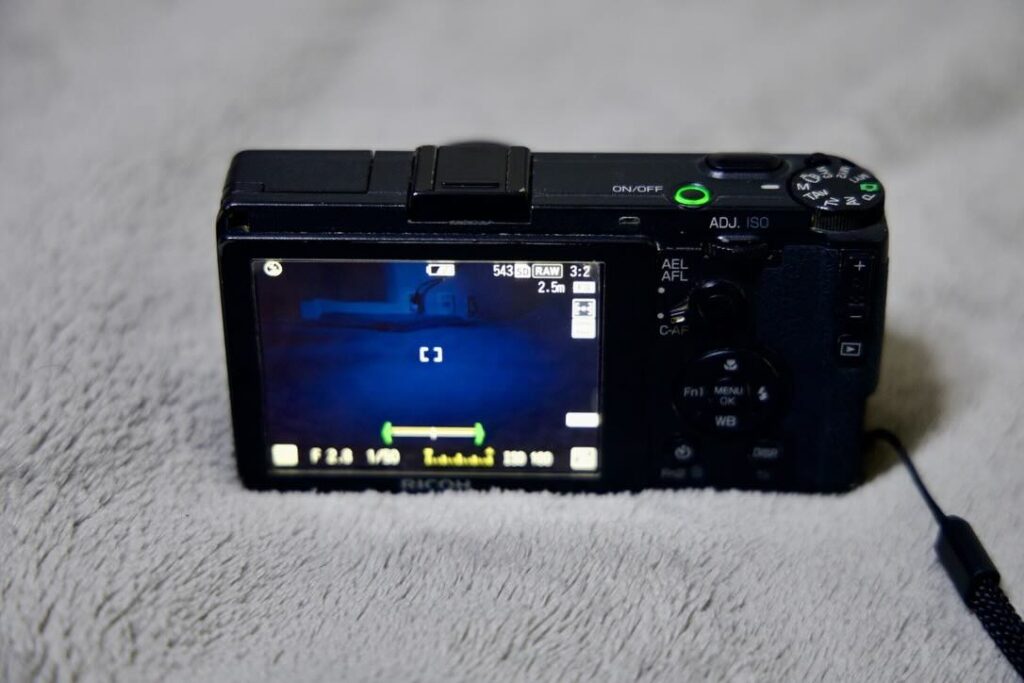
The GR’s reputation as a snapshot camera has much to do with how little time it takes to be ready. The lens extends when you turn it on, and you can press the shutter immediately. The response is quick, and the buttons fall under the fingers. One hand is enough.
That makes taking the picture feel easier. People tend to notice when you bring a DSLR up to your face, in part because it is large. The GR is less conspicuous. Carrying it feels like keeping an ordinary item in your pocket. Taking a picture on the street, in a café or while going somewhere becomes easier to do without a second thought.
What matters here is how often you take the photograph.
A good photograph depends on how many opportunities you give yourself. The GR gave me many more of them.
I particularly liked its black-and-white images. The contrast was restrained and the textures felt natural. The pictures often looked closer to the way I remembered a moment than to an attempt to dramatize it. There were more of those moments to put on the blog.
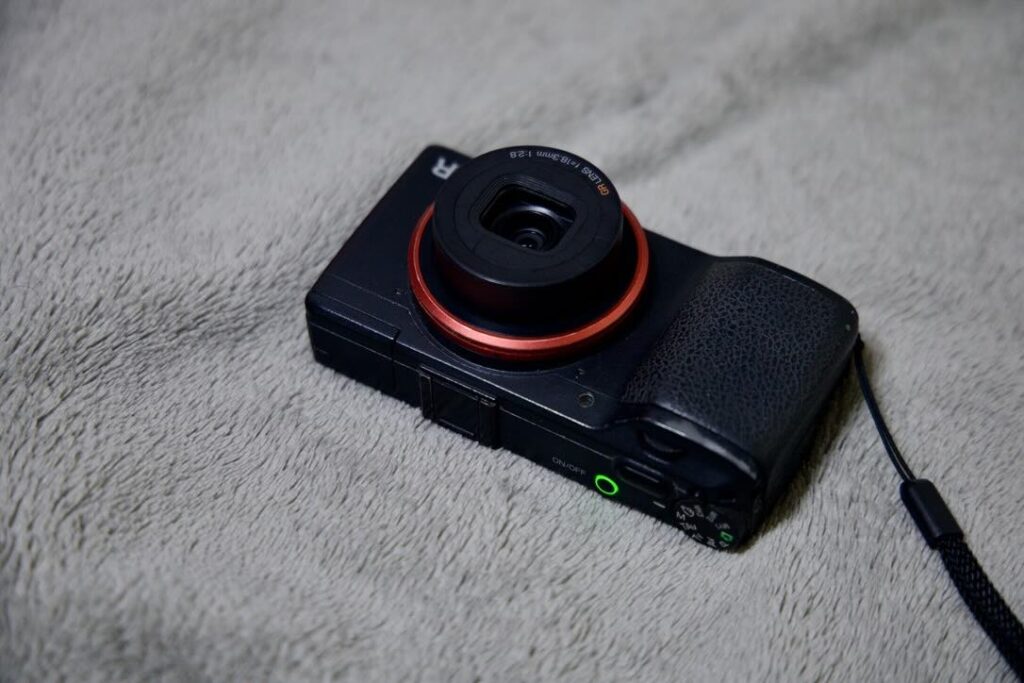
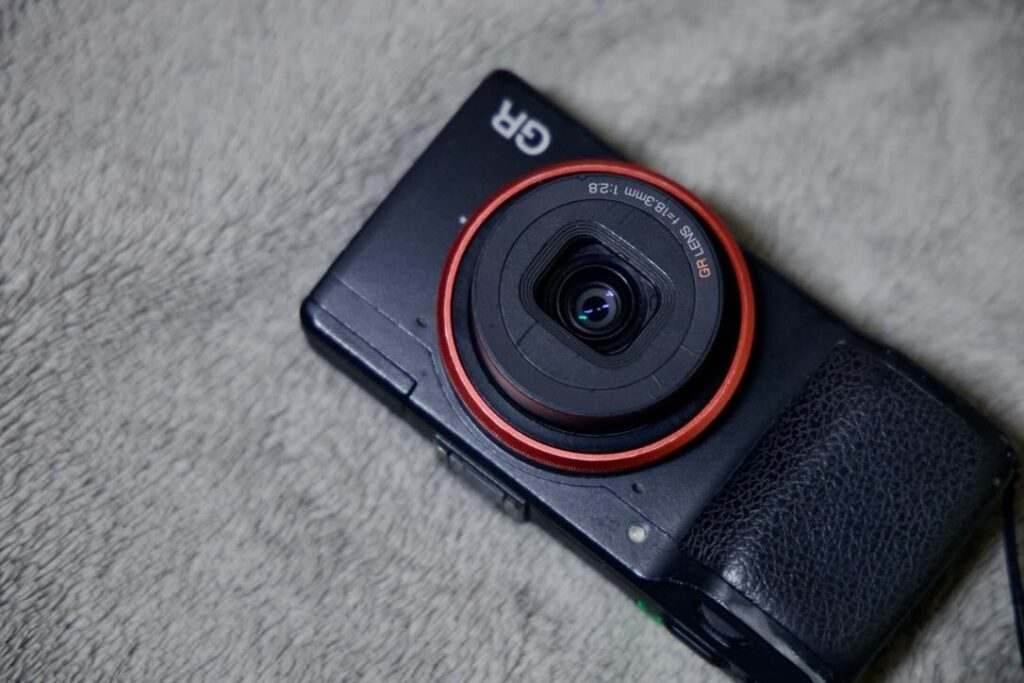
How It Held Up Against a DSLR
My first impression was simple. A point-and-shoot was giving me better results than I expected, even compared with a DSLR. Some of that was the sensor. The fixed prime also gave me consistent detail and little distortion, and the color left room for editing.
Over time, I started to value an image I could work with. The GR’s understated color gives me room to adjust it, which suits the photographs I keep for a blog or a personal record.
I posted photographs more often after I began using it. I was making them in the course of living rather than setting time aside to go shooting. There was more to record, and keeping that record led to more work on the blog. The camera became important for reasons that went beyond image quality.
The Lens Barrel Problem
The lens barrel was the clear weakness on my camera. The lens could refuse to extend when I turned it on or fail to retract after I had taken a picture. That is especially frustrating for snapshots, when the moment may be over before the camera is ready.
I started seeing the same fault after about two years. Shooting became more trouble, so I considered getting it repaired. The price was high relative to what the camera cost. I replaced it as my main camera and put the GR in a drawer.
Later the cost of repair came down, and I took it to a service center in Euljiro. It worked again when it came back, but by then it did not return to daily use. Newer cameras had moved on too far.
I still keep it in working condition because it was the camera that got me taking photographs.
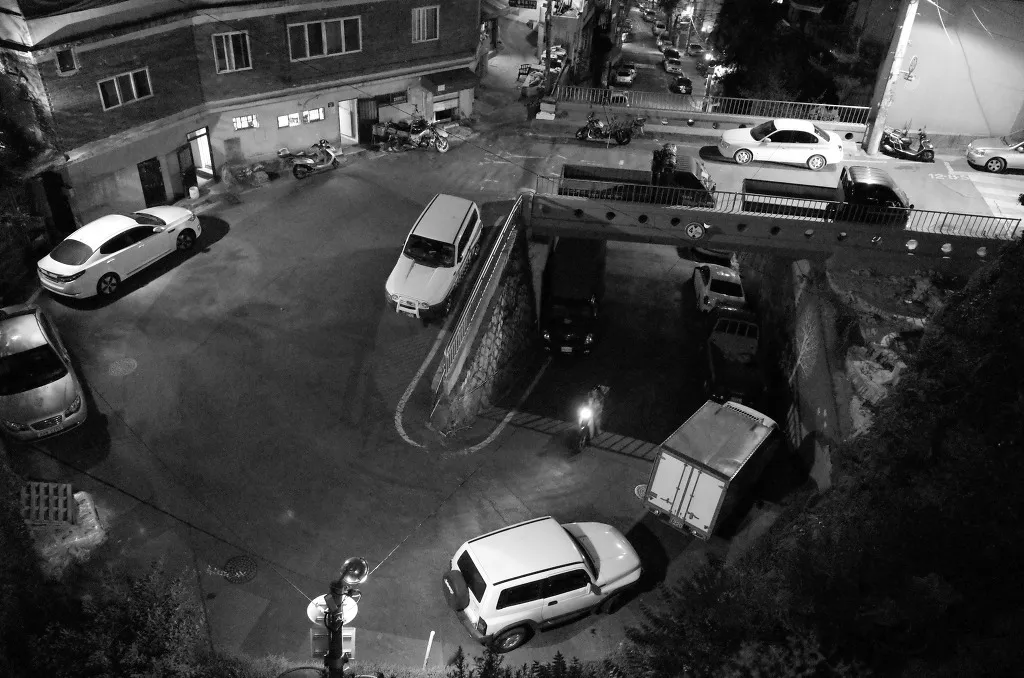
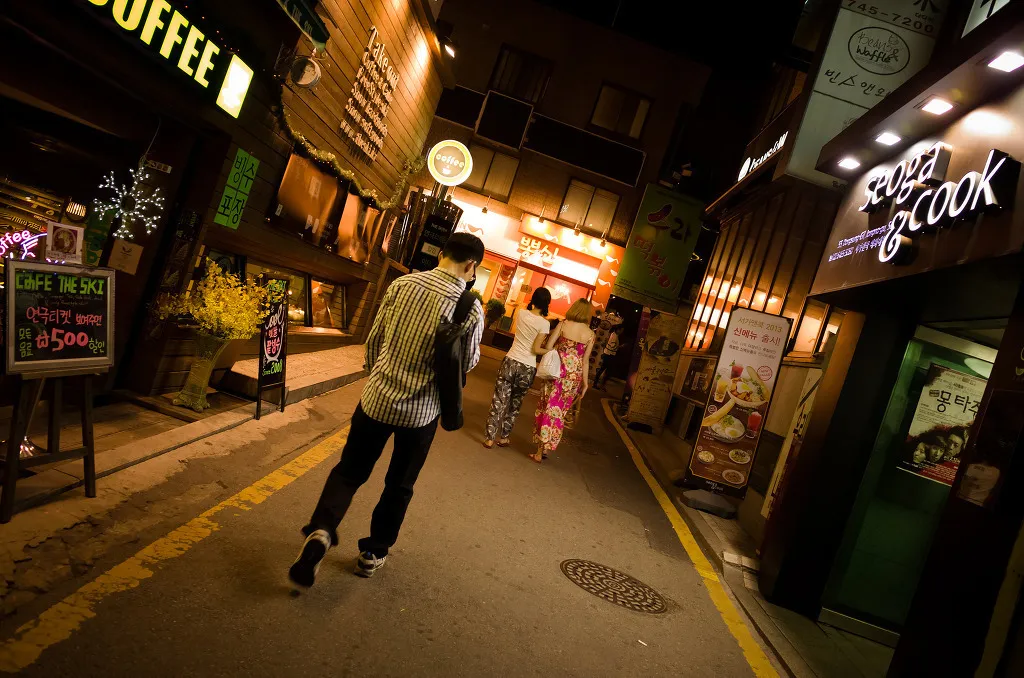
Looking at the GR Now
The first digital GR is an old camera by current standards. Its autofocus is slow, high-ISO performance is limited, and video is scarcely a reason to use it. Newer cameras do all of those things better.
The experience is why I still talk about it. The GR kept me taking photographs. A newer camera can give me better files. This one gave me a habit.
The GR1 lineage helped change the photographer’s daily life. I can replace the camera’s performance. I still remember what it felt like to start keeping a record with it.
Camera history has plenty of technically superior models, with more resolution, faster autofocus and more features. There are fewer cameras that changed how their owners took photographs.
The GR did that for me. Because I kept taking it everywhere, I kept recording what happened along the way. It remains tied to the way I lived in those years.
Product Information
Ricoh GR (digital), in the GR1 design lineage