 WALKSCAPE
 Crosswave Edition
Gulgukbap: The Bowl I Think of When Winter Comes
2026-04-23
The Season Comes to Mind First
Some dishes remind me of a place or a person. With gulgukbap, the first thing I think of is a season. When the air gets colder and the wind sharpens, I start to want oyster soup with rice.
Oysters are sold all year, but winter still feels like their season. I like the firmness and the clear scent of the sea that they have in colder months. Eating them is one way of noticing the season.
Oyster soup with rice is an easy way to eat them. You do not have to handle them as delicately as raw seafood or spend the time grilling them. In a hot broth the oyster softens, and the soup takes on its savory flavor. Cold weather is enough reason to go looking for a bowl.
How Gukbap Makes a Meal
Oysters can be pan-fried, seasoned, steamed or cooked with rice. In gulgukbap, they become part of a whole meal.
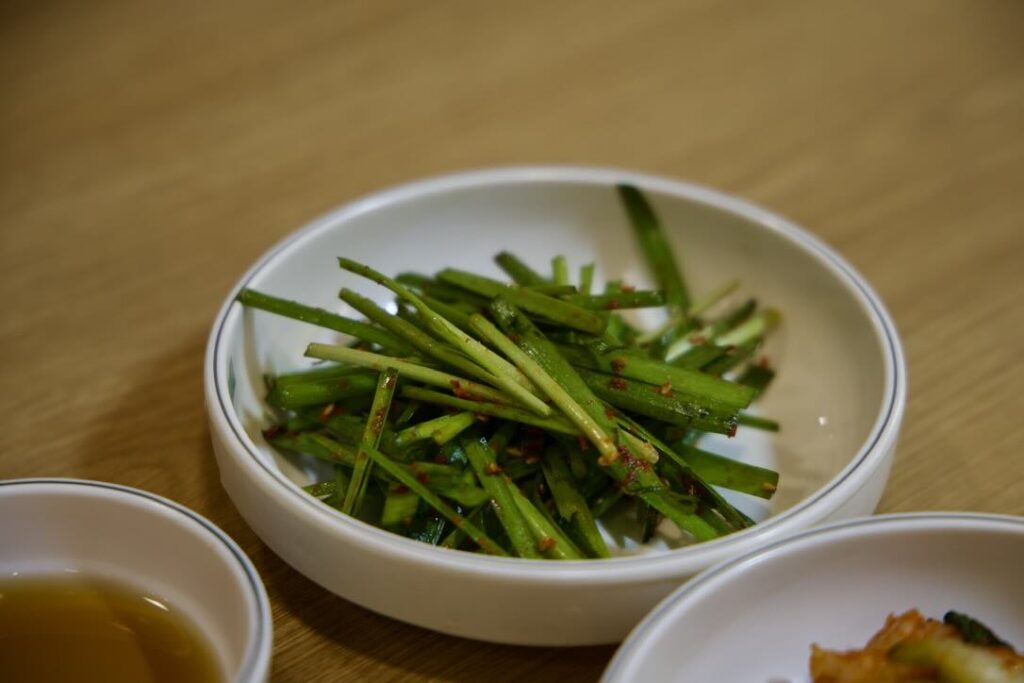
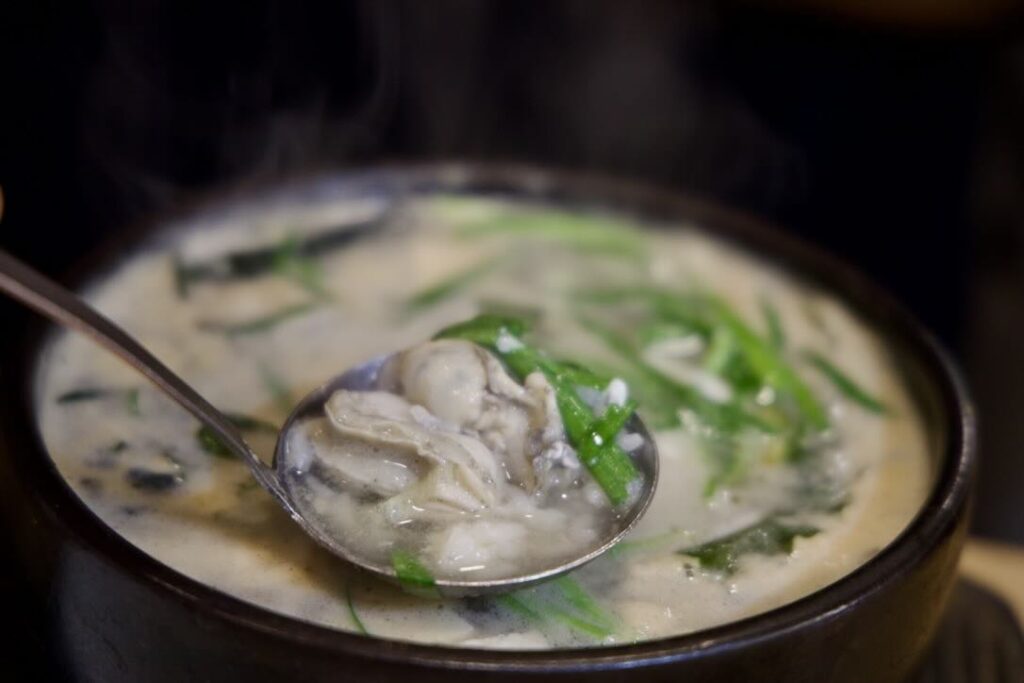
Gukbap brings rice and soup together in one dish. There is enough in the earthenware bowl to make a meal: warm broth, some rice and oysters. Kimchi alongside it is all you really need.
An oyster is lean and still has some substance. Koreans might call the broth siwonhada, a word that suggests a clear, refreshing taste even when it is hot. Anchovy or kelp stock gets a different kind of depth from an oyster than it does from meat. The first thing I notice afterward is how warm I feel.
Why I Want It in Winter
I look for two things in food on a cold day: warmth and something easy to eat. Gulgukbap gives me both.
After a long walk outside in cold weather, I want hot soup. Sometimes I do not feel like eating anything spicy, and a meat broth can be heavier than I want. Gulgukbap suits that moment. The soup is hot without being harsh, and I do not feel weighed down afterward.
The season matters to the flavor and the aroma. A winter oyster has a more marked presence in the stock than the milder ones I associate with summer. The bowl feels especially complete when the weather suits it.
How to Eat It
Start with a spoonful as it comes, while you can notice the temperature of the broth and the smell of the oysters. Then eat it with kimchi, or add a little salted shrimp or chili powder if you like. The flavor changes in small steps.
The first spoonfuls are hot, and I take them carefully. As the broth cools, the rice mixes with it and the bowl becomes easier to eat. By the end the texture is nearly that of a soft porridge. The oysters, which initially stand apart, become part of the broth. The dish comes together as you eat it.
That may be one reason it often works for breakfast. It is easy to eat, with enough rice and oyster to leave you satisfied without feeling too full.
An Everyday Meal
Gulgukbap is an ordinary-looking meal. A photograph does not tell you much about it. I keep coming back to it in winter because it is so well balanced for a single bowl.
It has rice, protein, broth and warmth. The method is simple and the price tends to be manageable. I can eat it regularly. Some days a meat gukbap feels heavier than I want, while a snack will not be enough. Oyster gukbap fits between the two.
I think of it as a meal for a season. When winter comes, I think of it again. The warmth and the sense of being settled can stay with you long enough to carry on with the day.