 WALKSCAPE
 Crosswave Edition
The First Beer at a Japanese Izakaya
2026-11-13
Sit down at an izakaya and open the menu, and someone may order with the words toriaezu nama: a draft beer to start. Even with the same beer, the foam can hold longer in one place, and the carbonation and temperature can feel different from the very first sip. To understand why, it helps to follow the beer on its way to the table.
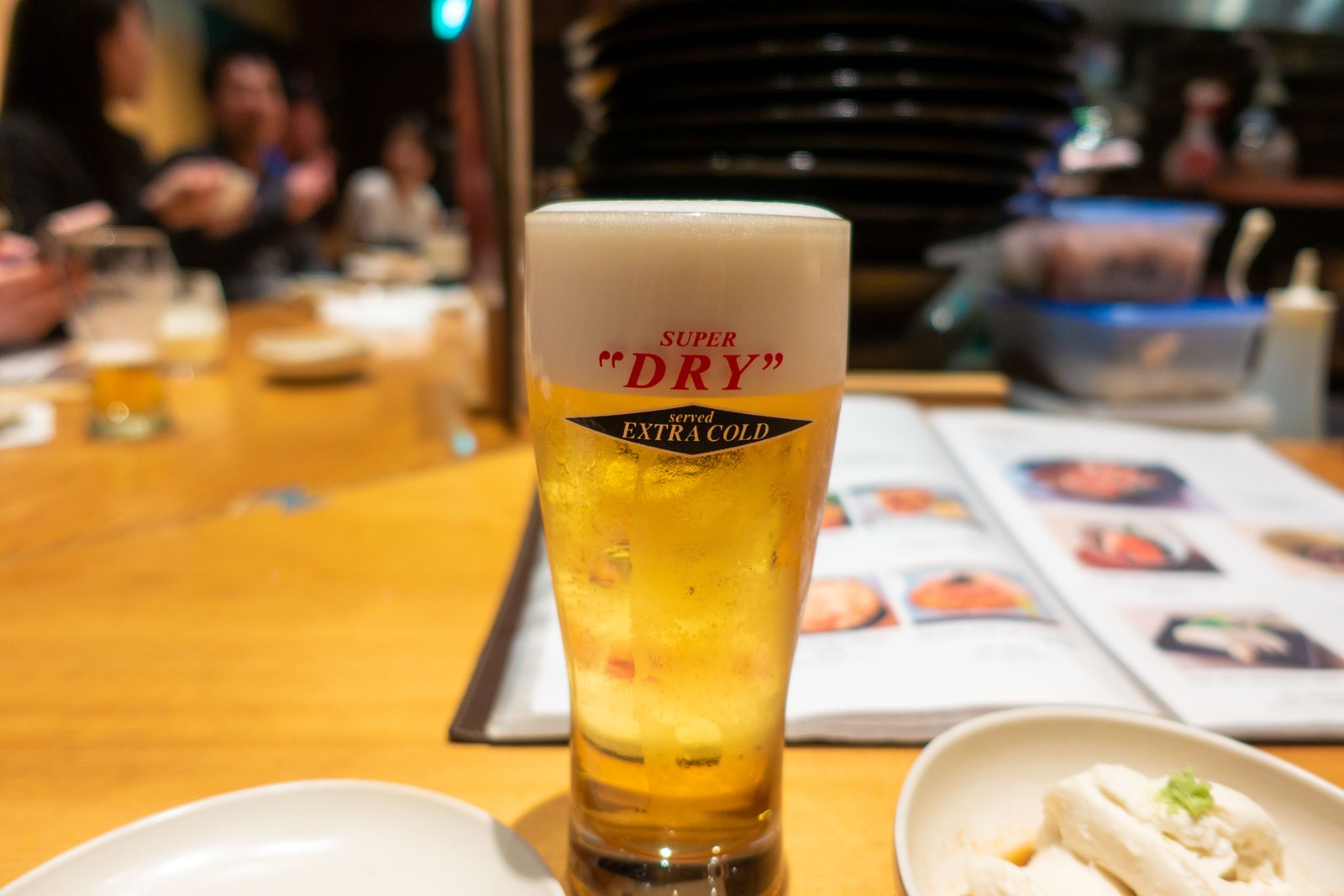
What Nama Means on a Label
Kirin explains that in Japan, nama biru means beer that was not heat-treated during production. It can therefore be sold in bottles and cans as well as on tap. In a restaurant, customers ordering a nama will often mean a glass poured from the keg. The term on a product label tells you how the beer was made. In a restaurant it tells the server what to bring.
Foam Changes as Soon as Beer Hits the Glass
Beer poured from the same keg can meet different glasses and be served in different ways. Kirin’s cleaning instructions for restaurants cover equipment that customers never see. Grease or detergent residue can affect the foam. The temperatures of the glass and the beer shape how the carbonation and aroma come through. A lasting head at one izakaya tells you more about the conditions behind that particular glass than it does about a national practice.
The Same Beer Can Change in the Last Few Metres
On its way from the keg to the glass, beer runs through a line and a tap. Kirin publishes cleaning instructions for commercial equipment. Asahi has shared material on how the same beer can feel different at different serving temperatures. How clean the glass is, how the head forms and how cold the beer is all affect the carbonation and aroma you notice on the first sip.
What You Can Compare When You Try It From a Can
Open a can of the same beer at home and the glass, temperature, food and timing of your first sip will probably have changed. To compare the beer itself, start with the same temperature and a similar glass. To understand the izakaya experience, think about what arrived alongside it. The first sip while you wait for food and the first sip after a hot gyoza can stay in the memory differently, even when they come from the same glass.
The First Order Sets the Pace
Toriaezu nama can also mean getting the meal started before anyone has finished choosing what to eat. The beer comes first, then you order the food. That first sip stays in the memory on its own. When you think back to a particularly good beer on a trip, remembering the temperature of the glass, the foam and the first dish makes it easier to say what made it stand out.
Some of the most lasting memories of a trip are sensations: the smell of a street, the air at a particular hour, a drink at the end of the day. A glass of draft beer in Japan can stay unusually vivid for the same reason. Much of what you remember was already in place before the drink reached you.
Related story: What toriaezu nama means
What to Notice on the First Sip
The height of the foam tells you only so much about a bar’s equipment and care. How long the beer took to arrive, whether the glass was chilled and how much of the meal you had eaten all change the impression. Salty or oily food can bring out the carbonation and the cold. If a beer stands out on a trip, a photograph of the glass and the food alongside the brand gives you something to compare the next time you order it.
Beer Terminology and Sources
- Terminology
- Nama biru (生ビール) is beer that has not been heat-treated
- Brewer’s guide
- Kirin’s explanation of nama biru
- Equipment maintenance
- Kirin’s guide to cleaning commercial draft systems
- Serving temperature
- Asahi’s guide to serving beer at different temperatures