 WALKSCAPE
 Crosswave Edition
Getting Around Japan With a Suica Card
2026-04-03
Getting Around on Your Own
Once flights and a place to stay are booked, transport is the next question for many independent travelers in Japan. Trains and subways handle much of the movement within its cities. Tokyo in particular has a dense enough network that you can reach almost every major sight by public transport.
A rechargeable transit card makes that network easier to use. If you know Seoul’s Tmoney or Cashbee, the idea is familiar. Tap at the gate and the fare comes out of the balance. Picking up a Suica is often one of the first things returning visitors do in Tokyo.
One Country, Several Transit Cards
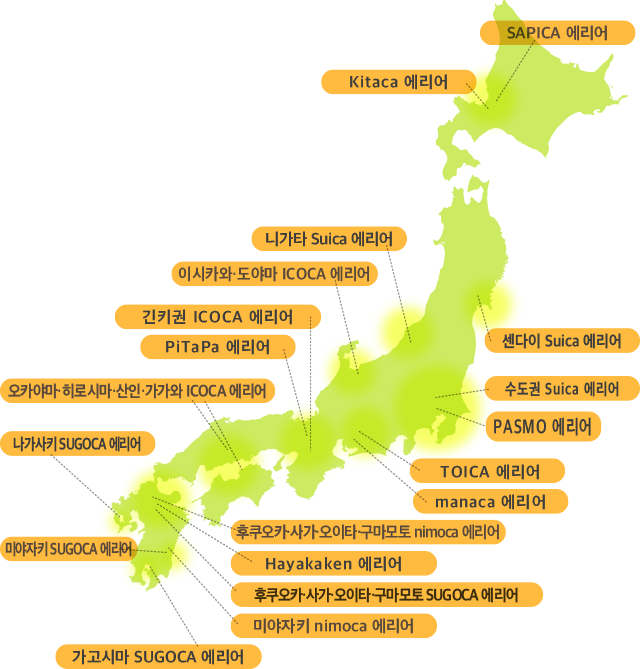
Different regions and railway companies issue different cards. JR East has Suica, Tokyo’s subway and private railway operators have PASMO, and western Japan has ICOCA. Nagoya has manaca, and Fukuoka has its own cards as well.
For most travelers, the important detail is interoperability. You can use a Suica on participating networks in Osaka and an ICOCA on participating networks in Tokyo. Check for the nationwide IC card symbol where you travel, especially beyond the big cities.
Tokyo’s Two Familiar Cards
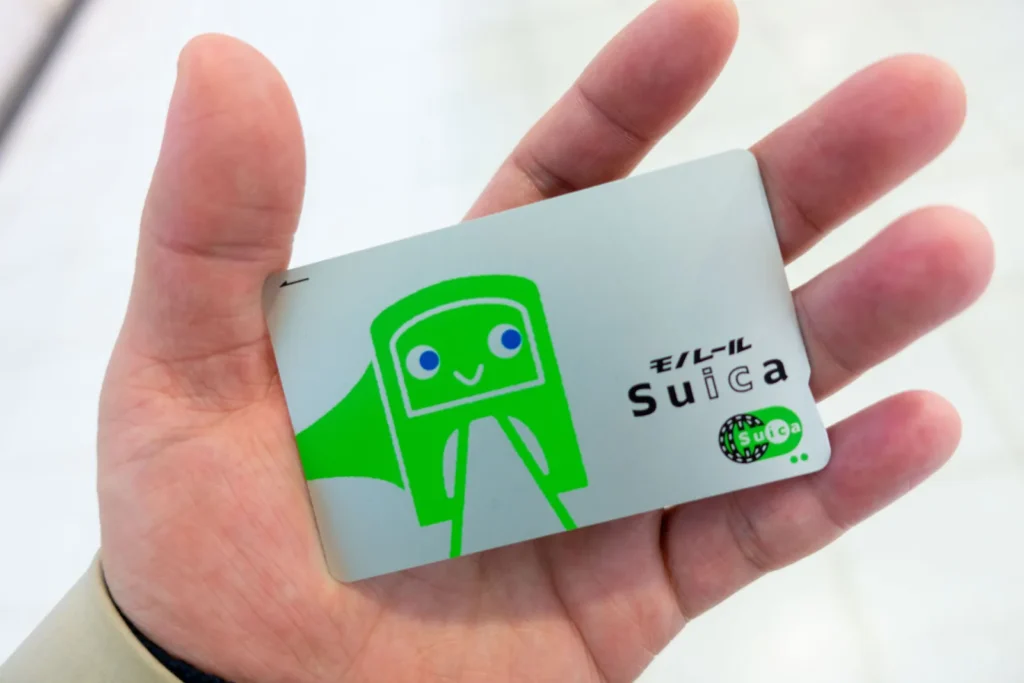
Suica and PASMO cover much the same ground in Tokyo. Both work on participating trains, subways and buses and can be used to pay at many convenience stores, vending machines and drugstores.
The main difference is who issues them. JR East issues Suica, while PASMO comes from a group of operators that includes Tokyo’s subway and private railways. You’ll often end up with whichever card is sold at the station nearest your hotel.
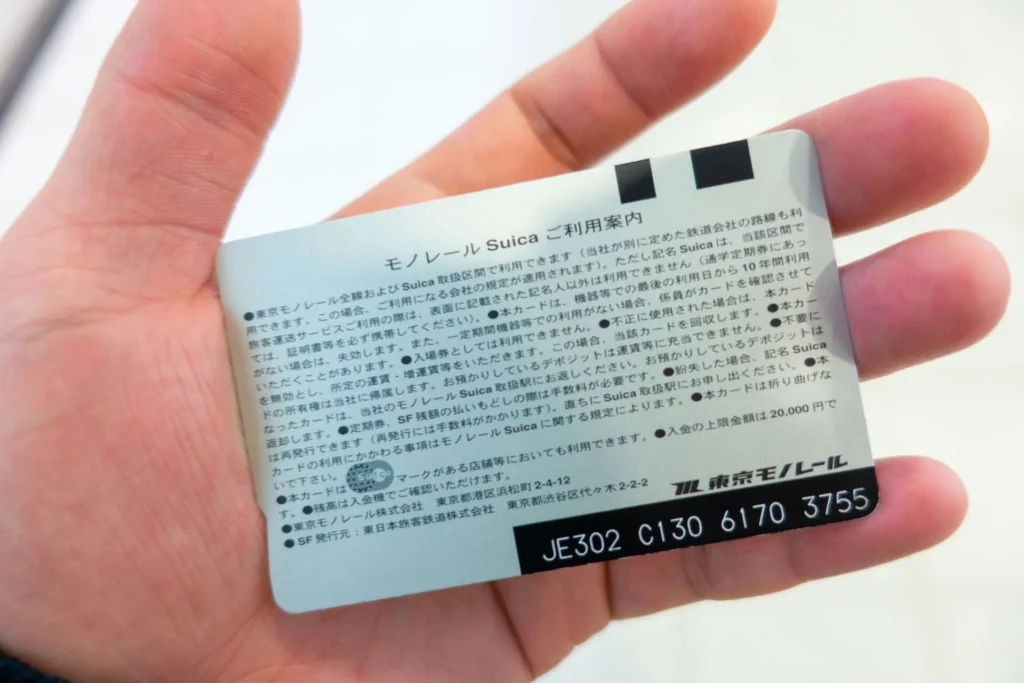
Standard physical cards have a deposit. Visitor versions can have different terms, so check the exact card you’re buying, particularly if you plan to get a refund.
How a Standard Suica Works
With a standard physical Suica, a ¥2,000 purchase leaves ¥1,500 to spend and ¥500 on deposit. JR East also sells cards with other starting balances.
When you return a standard JR East Suica, JR East deducts a ¥220 handling fee from the unused balance. If the balance is ¥220 or less, you get the ¥500 deposit back. If you’re leaving Japan soon, it may be simpler to use the balance for a snack or drink first.
More Than a Train Ticket
The same card is useful for plenty of small purchases. Look for the IC card symbol at the reader.
- Ride JR trains and subways on participating networks
- Pay on participating buses
- Pay at convenience stores such as 7-Eleven, Lawson and FamilyMart
- Buy drinks from compatible vending machines
- Use compatible station lockers
- Pay at participating drugstores and restaurants
Even when you carry a credit card, being able to tap for a bottle of water or a locker can save you from fumbling for coins.
Buying and Topping Up
Look for a JR East ticket machine that sells Suica. Machines with an English menu make it easy to follow the prompts. You can usually top up a physical card with cash at stations and at participating convenience stores.
JR East’s machines offer top-ups starting at ¥500. You can hold up to ¥20,000 on the card.
Using a Phone Instead
On a compatible iPhone, you can add Suica or PASMO to Apple Wallet and tap in with your phone. Setting it up before arrival can save a stop at a ticket machine.
Physical card sales were temporarily restricted during a semiconductor shortage. Mobile Suica has also become a useful option in its own right. With a supported payment card, you can top up in Apple Wallet without finding cash or a ticket machine.
Which Card Should You Get?
If you’re staying near a JR station, you’ll probably encounter Suica first. Near a subway or private railway station, you might see PASMO first. Either is a practical choice for most trips around Tokyo.
Getting set up early takes one more calculation out of the day. On most ordinary journeys you can tap through the gates without working out the fare or buying a separate paper ticket first.
Suica and Watermelon
In Japanese, suika also means watermelon. The sound of the name has inspired a few online gags involving a card stuck to an actual watermelon. It is one of the small details that make the card easy to recognize and remember.
One Less Thing to Think About
If you’re planning your first visit to Tokyo, sort out a transit card alongside your itinerary. Reading the map is manageable. Having to buy another ticket every time you change plans gets tiresome.
The trip starts with getting somewhere. A card you can tap at the gate is one of the simplest ways to make that first part easier.