 WALKSCAPE
 Crosswave Edition
Where to Catch a Taxi in Singapore
2026-03-20
What Taxis and Ride-Hailing Tell You About Singapore
One of the first things that surprised me about getting around Singapore happened at the curb. I raised a hand as I would at home, and the taxi passed. It’s possible to hail a taxi in Singapore. The part to learn is where a driver can pull over.
A small difference in where you stand says something about how movement is organized in the city. The point is to let passengers get in and out while keeping the road moving. Once you’ve found the right place to wait, the system becomes easier to read.
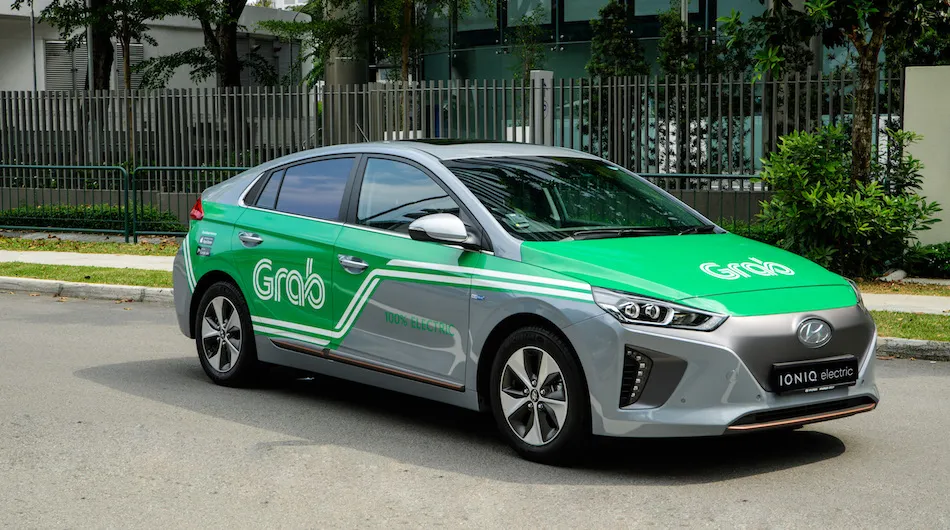
Where to Catch a Taxi
Different companies use different colors, and there are plenty of cabs on the road. A taxi hailed on the street or at a rank uses the meter. An app may also offer a price set in advance, depending on the operator and the service you choose.
The practical distinction is where the driver is allowed to stop. Outside the Central Business District (CBD), the Land Transport Authority (LTA) says you can hail a taxi along eligible roads. At busy buildings and in the CBD, a signed taxi stand, taxi stop or driveway is often the simplest place to go.
There are restrictions for both pickup and drop-off near bus stops, on roads with signs or lines that prohibit stopping and in bus lanes during their hours of operation. Some CBD streets prohibit stops at all times. The LTA lists those streets and recommends using designated locations.
What a Taxi Queue Does
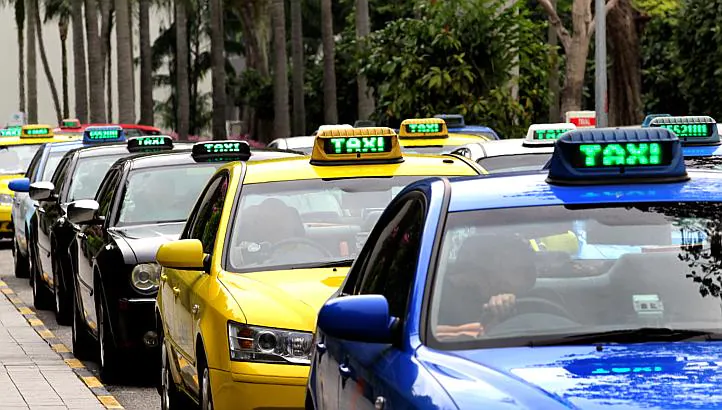
In Singapore, the sign often tells you to queue. The word is familiar in British English and has a practical job here. The next cab has somewhere to stop, and the people waiting know whose turn it is.
At the ranks I saw, people waited their turn with little need for anyone to direct them. It was a small example of a rule that worked because everyone in the line could see how it worked.
At a busy curb, there are advantages to concentrating stops in places that have room for them. The cost to the passenger is sometimes a short walk to find the queue.
What Goes Into the Fare
A metered fare includes the starting charge and units of distance or waiting time. The final amount may also include surcharges, road tolls or a fee for booking. The operator sets the fare within the applicable framework.
The LTA lists a 25% peak-period surcharge on the meter in designated time windows and a 50% late-night surcharge from midnight to 05:59. Check the current schedule before relying on a particular time or fare.
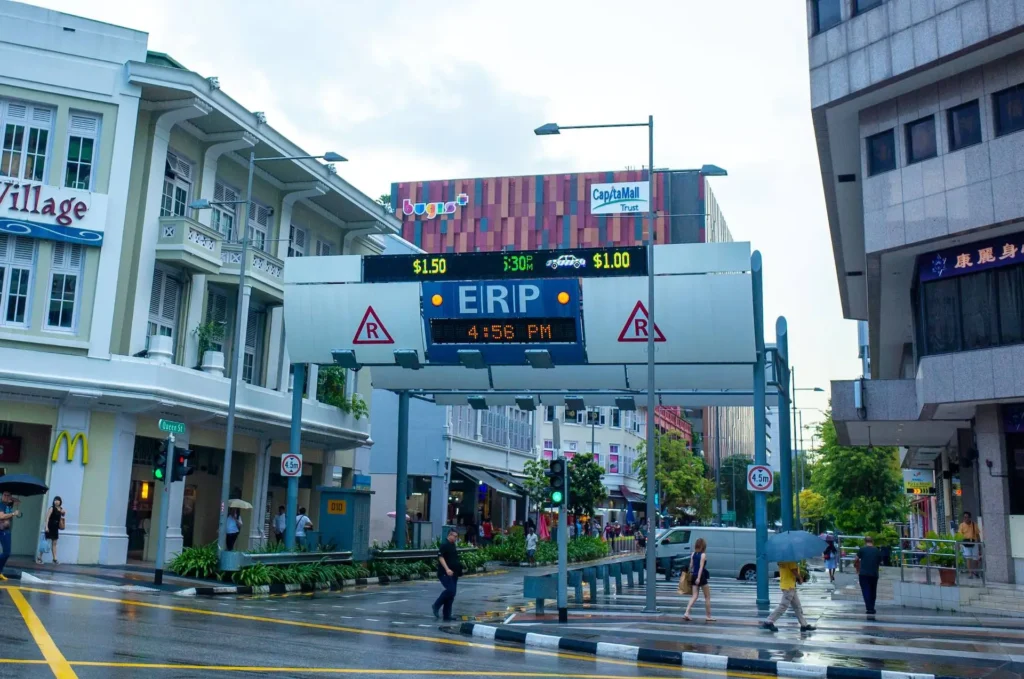
The City Area surcharge listed by the LTA is a flat S$3 for pickups in the designated area from 17:00 until midnight. Location surcharges and Electronic Road Pricing (ERP) can add other charges where applicable.
Booking by phone or through an app can bring a separate charge, depending on the operator and time. Check whether the booking is metered or fixed, and what the quoted amount includes.
Two rides of the same distance can therefore have different prices depending on when, where and how you start.
The Colors on the Street
Different fleets have different liveries. The LTA’s current directory lists CDG Taxi, Prime Taxi, Strides Premier Taxi, Trans-cab and GrabCab. Older guides may list predecessor brands.
Premium cabs can be useful if you have more people or luggage. For an ordinary trip, what makes the biggest difference to the bill may be the type of fare and the surcharges for that ride.
That’s where an app quote becomes useful. It gives you a way to compare without adding up every part of a fare in your head.
A Metered Fare at a Glance
The figures below are examples from the LTA’s public fare guide. Individual operators set their prices, and special locations and services can affect the total.
| Charge | Standard fare | Premium fare | When it applies | What to check |
|---|---|---|---|---|
| Flag-down | S$4.40–5.20 | S$5.00–5.50 | At the start of a metered trip | Operator and vehicle type |
| Distance, 1–10 km | S$0.26 per 400 m | S$0.37–0.38 per 400 m | After the initial distance | Applies in increments |
| Distance, above 10 km | S$0.26 per 350 m | S$0.37–0.38 per 350 m | On longer trips | Applies in increments |
| Waiting time | S$0.26 per 45 seconds | S$0.37–0.38 per 45 seconds | While the meter registers waiting | Traffic can affect the total |
| City Area pickup | S$3 | S$3 | 17:00 to just before midnight | Designated pickup area |
| Booking | Varies | Varies | When a ride is booked | Check the operator or app |
These are examples from the LTA’s published fare ranges. The operator’s rate and the vehicle you board determine the applicable starting charge.
Ask about the booking fee as well as the fare. Time, location and tolls can affect what you pay even when you know roughly how far you’re going.
If you want a price you can compare before leaving, look for an option with an upfront fare.
What Changed When Uber Left
Uber once operated in Singapore. In March 2018, Grab acquired its Southeast Asian operations, including the ride-hailing business.
That made Grab more familiar to many riders, though the city still has several licensed ride-hailing operators. The LTA also lists services including Gojek, TADA and CDG Zig.
What Booking With Grab Changes
A booking lets you set a destination and see the fare terms before the driver arrives. The app also shows where to meet the car. At a mall, venue or airport, look for the designated pickup point rather than assuming a driver can stop wherever you are.
An app is helpful when you’ve just come out of a restaurant or venue and don’t know the nearest taxi stand. The upfront price makes comparison possible, while any additional charges depend on the service and trip.
For a visitor, that can be easier than working out all the parts of a metered ride on the spot.
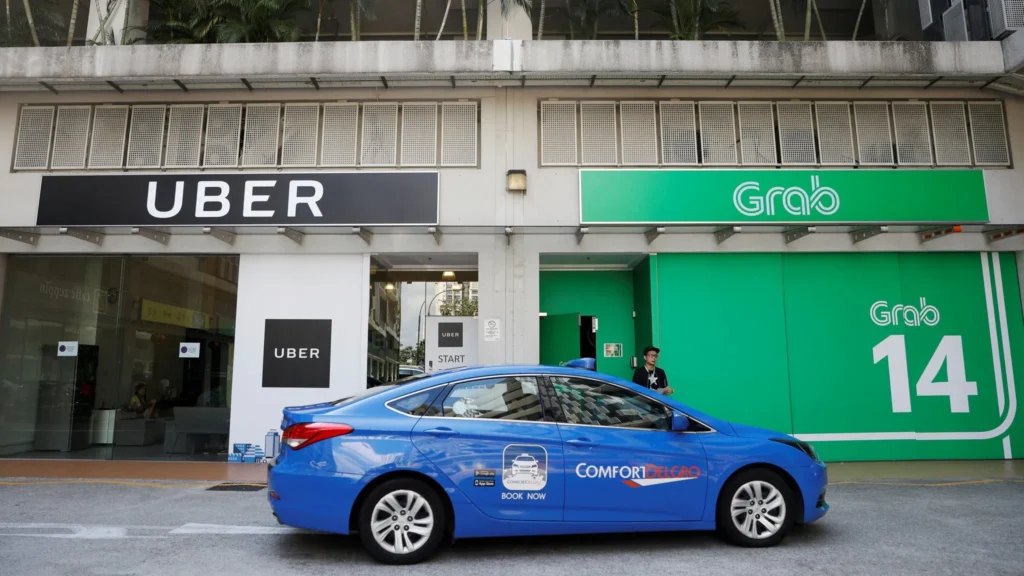
Two Ways of Managing a Busy Curb
The taxi rank and the pickup pin both give a driver a place to meet a passenger without stopping unpredictably.
That is one small part of a larger transport system. Electronic road pricing and the vehicle quota scheme also affect how people use roads and choose between driving, public transport and a hired ride.
How I’d Decide on the Day
For most places served well by the MRT and buses, I’d start there. For a late or awkward trip, I’d look for a taxi rank nearby or compare app fares and pickup points. On a road where it’s allowed, a street hail is another option.
In Singapore, the method you choose tells you where to wait, how the price is set and what to look for when the ride arrives.
What the Curb Tells You About the City
I came away thinking less about which company was painted on the side of the car and more about the work that goes into making the pickup clear.
Street hails, ranks and apps still coexist. The change I noticed is how often a journey begins with a sign, a queue or a pickup pin.
Once you know where to stand, you can see how much movement the city fits around that small decision.