 WALKSCAPE
 Crosswave Edition
What a Shared Table Does in Singapore’s Hawker Centres
2026-03-11
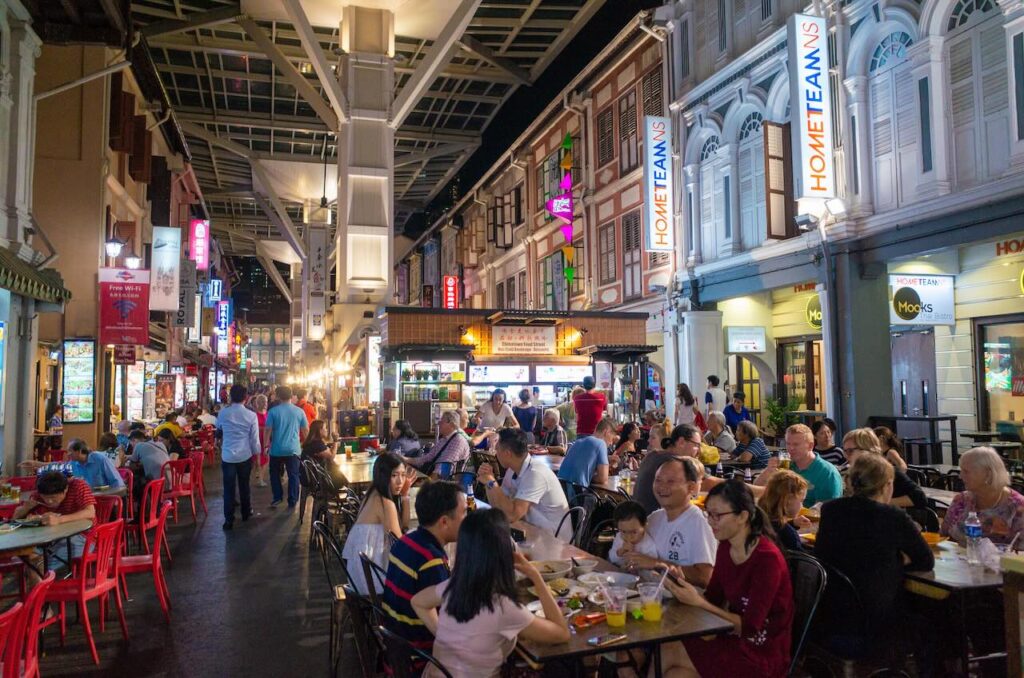
An open hall full of cooking stalls is one of the first things that made Singapore feel unfamiliar to me. There can be dozens of vendors around a floor of shared tables. You choose who to order from and where to sit. After a few meals, it starts to feel like one of the most ordinary places to be.
A hawker centre is an everyday place to eat and part of how the city gets through the day. People can stop on their way to work, spend a lunch break here or get dinner close to home.
Where the Word Hawker Comes From
A hawker is a seller who takes goods to the people who buy them. In a port drawing in workers and migrants, selling cooked food on the street offered a way to make a living and gave many people a quick meal.
The city brought street vendors into purpose-built centres with running water, sanitation and electricity. The resettlement programme gave the old trade a place in the way the city was being rebuilt.
Singapore kept an everyday practice by changing the conditions under which it could continue. The stall, the food and the customers were still there when the street itself changed.
What Keeps the Open Hall Working
The room can be loud, and on a busy day there’s constant movement between the tables. Behind that are licensed stalls, food-safety requirements and regular work to keep the common areas clean. At some centres, operators are also expected to provide affordable meal choices.
The hall gives people a practical place to eat without spending much and a table they can share with people from other walks of life. Workers on lunch breaks, students and older residents can all use it in much the same way.
How a Shared Table Works
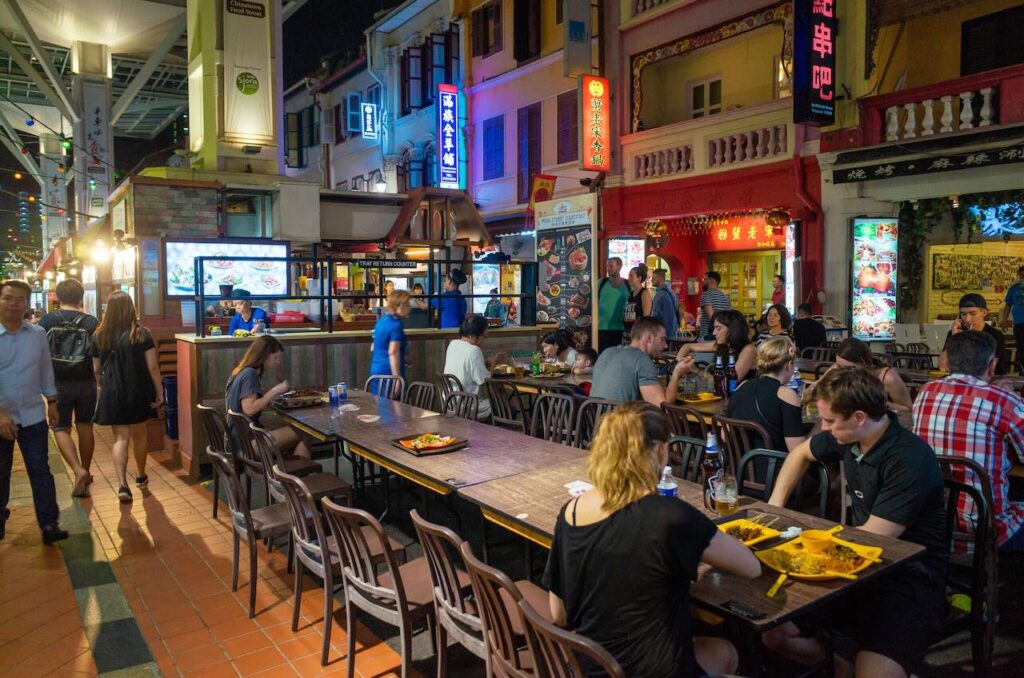
One of the most important pieces of equipment is the communal table. The seats don’t belong to a particular stall. People at the same table can order from different kitchens and eat together.
I learned to watch for tissue packets, a card or an umbrella. Someone may have left one to reserve a seat while ordering. In Singlish the verb is chope.
An object with little value can hold a place because other people understand what the person who put it there intends. It’s one of the small agreements that make a shared space usable.
How to Order and Clear Your Place
Find a seat, order from the stall and take the food back when it’s ready. Some vendors may ask for the table number and bring the order. You can watch the people in front of you if you aren’t sure which system a stall uses.
Once you’ve eaten, take used trays and crockery to the return point and clear your litter. In Singapore’s public dining places this is a requirement as well as a way to leave the table ready for the next person.
When UNESCO Recognized an Everyday Practice
In 2020, UNESCO added Singapore’s hawker culture to its Representative List of the Intangible Cultural Heritage of Humanity. The inscription recognizes the ways people cook, dine and gather.
Malay, Chinese, Indian and other cooking traditions are part of the same daily scene. Sitting at one table, you can see some of the different tastes and backgrounds that share the room.
A Few Different Places to See It
Centres can feel different depending on the street around them and the time of day. These are four examples.
- Maxwell Food Centre · In Chinatown, it draws people from offices and homes as well as visitors.
- Lau Pa Sat · A Victorian-era market building with satay stalls outside in the evening.
- Newton Food Centre · Busy into the evening, and familiar to many overseas visitors from films and television.
- Makansutra Gluttons Bay · An open-air dining spot by the bay where the night view is part of the meal.
Each shows a different part of the city. The shared table is a way to recognize what the places have in common.
Why the City Kept Building for Hawkers
Redevelopment can push low-cost food vendors out of a district. Singapore made room for them in public facilities people could use every day. The decision was about how a growing city would eat as much as how it would remember an old trade.
The centres help provide affordable places to eat out and opportunities for people to run stalls. They also make it possible for people with very different lives to sit at the same table for a meal.
A Way to See How the City Lives
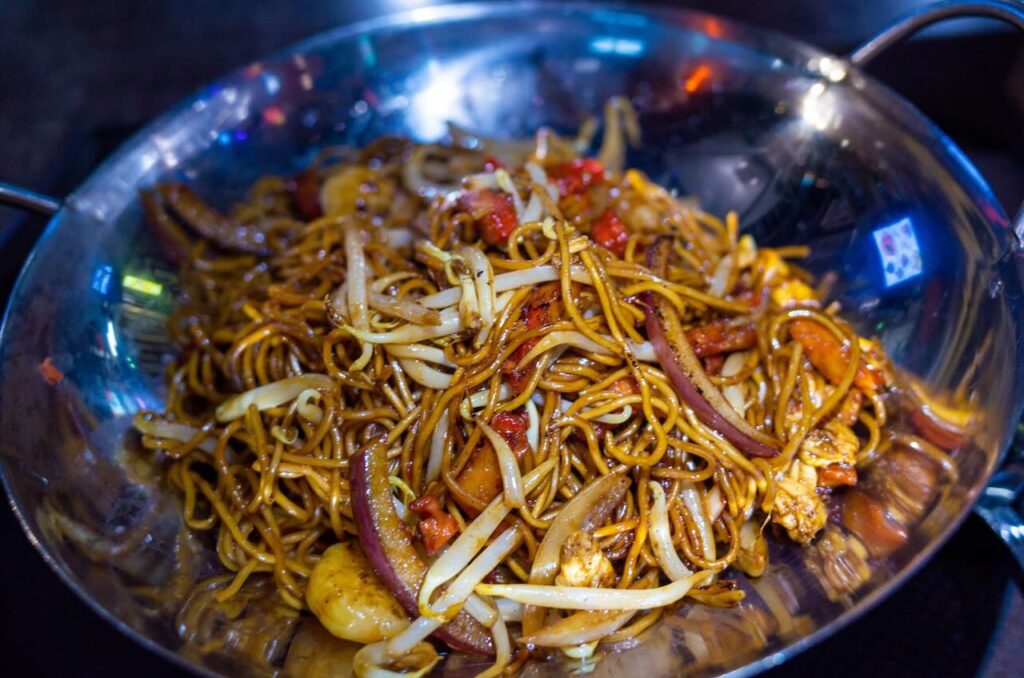
A visitor may come away with a favorite dish. Spending a little longer there shows how the room works for the people who use it all the time.
Some parts of it are designed, from the cooking stalls to the tray-return station. Some depend on people understanding what a tissue packet on a table means.
A hawker centre can be a kitchen, a living room and a place to meet. For the length of a meal, you can see how much daily life fits around the tables.
UNESCO · Hawker culture in Singapore · National Environment Agency · From street hawkers to community hubs