 WALKSCAPE
 Crosswave Edition
When Words Failed, the Pictures Stayed — A Night with Squint
2026-02-07
Nights on a trip are awkward. You are tired from walking around, but going straight to bed feels like giving up part of the evening. It was like that at a hotel in Suanbo, where I was staying with friends from abroad. We spoke different first languages and could not always understand each other. The mood changed as soon as a board game appeared. The game that kept us at the table that night was Squint.
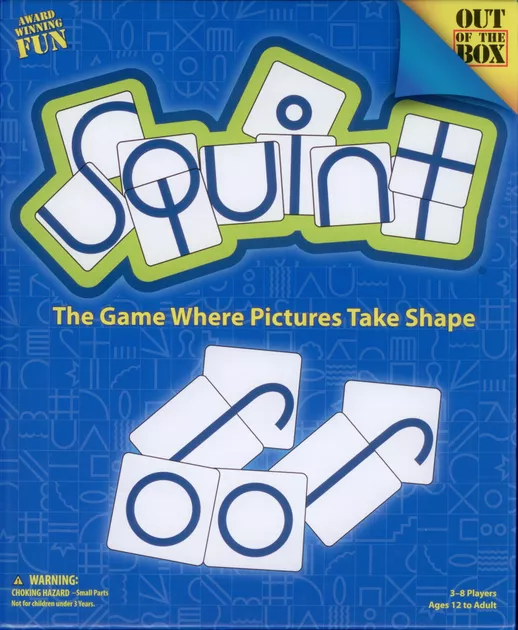
It is a guessing game that works with very few words. You take a word and draw it with pieces of card so the others can guess. There is no pen and paper. You have only the printed shapes you are given, which makes the whole thing frustrating and funny in about equal measure.
Building a Clue Instead of Explaining One
The basic idea is simple. The clue giver draws a word card, rolls a die and takes the word that matches the number. They then try to show it using only the shape cards on the table. The shapes are lines, curves and patches of colour or space. The thing you picture and the thing you actually make rarely look quite alike.
That gap is the game. Try to make the picture perfect and no one recognises it. Set down something that seems vaguely right and suddenly someone sees what you mean. In Suanbo, having fewer words to fall back on made all of us bolder and made us laugh more. The worse the picture seemed, the closer someone sometimes came to guessing it.
When the Language Barrier Becomes Part of the Fun
Most word games lose momentum when I play them with people who speak different languages. Explanations take longer and you start choosing your words carefully. Squint moved faster the less we said. Instead of asking what something meant, we all leaned in and looked at the same spot on the table.
One person was laying down what looked like a jumble of shapes. Another was calling out a completely unrelated answer. A correct guess drew a cheer and a wild guess got an even bigger laugh. Nobody cared much about the score or which round it was. Making the picture was enough to keep the evening going.
The Scene You Remember
Squint is loose around the edges. The rules are light and it is easy to lose track of the competition. Yet it stays in your memory. You remember the picture that made everyone laugh before you remember how the game worked.
I could not tell you who won that night in Suanbo. I remember the cards scattered across the table and how we laughed together even when we could not understand one another. That may be exactly what a game like this is for.
A Game You Remember More Than You Win
To some people it will be an ordinary party game. Under the right circumstances, it leaves you with an evening worth remembering. We could look at the same shapes and laugh, even across languages and cultures.
A correct answer is only one part of it. The better part is realising that someone else sees what you see. That makes it a good fit for an evening away, a gathering that needs warming up, or a table full of people who have just met.
Game Information
Squint
- Players
- 3 or more
- Playing time
- About 20–30 minutes
- Genre
- Party game / Creativity / Visual deduction
- What to expect
- Build clues out of shapes and guess across language barriers