 WALKSCAPE
 Crosswave Edition
Catan — Two Dice, Five Resources and a Table Full of Negotiators
2026-02-05
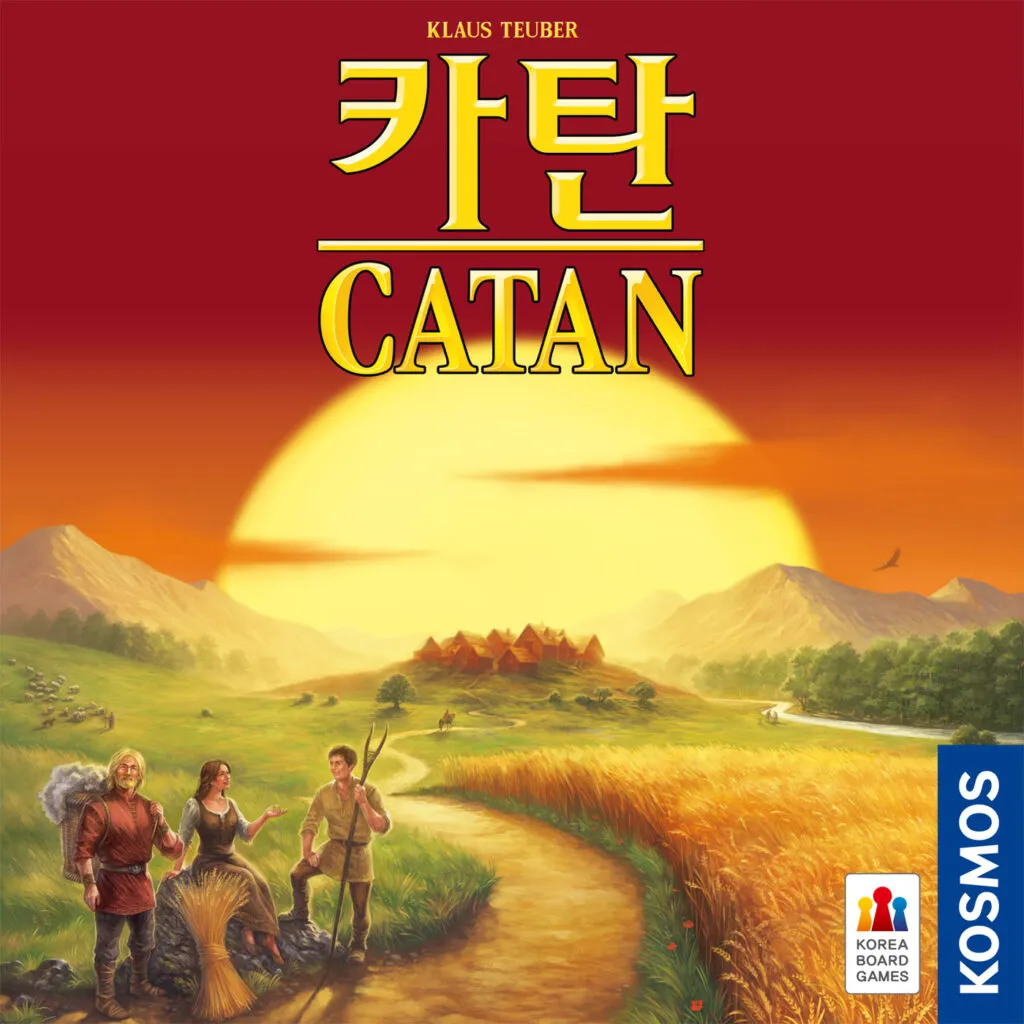
Spend any time around board games and you will probably have heard the name Catan, or the title many players knew it by first, The Settlers of Catan. It appeared in 1995 and remains among the best-known and most successful Eurogames. It has had decades to prove what a turning point it was.
There is a reason people divide modern board gaming into before and after Catan. It put dice, luck, strategy and negotiation at the same table. One player lives and dies by the roll, another talks their way out of a shortage, and another quietly lays roads and is first to ten points. All of those stories can play out in the same game.
A Simple Island, Complicated Neighbours
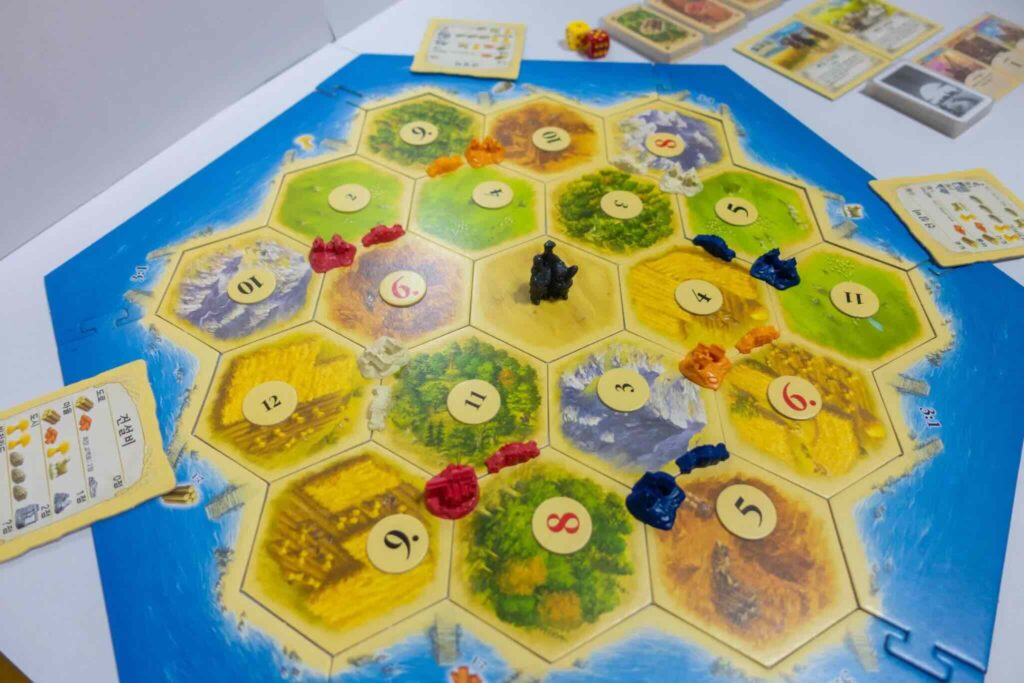
The game takes place on the fictional island of Catan. You settle the island, collect lumber, brick, wool, grain and ore, and turn settlements into cities. The goal is to reach ten victory points before anyone else.
Getting there is another matter. The island’s hexagonal terrain tiles can be arranged differently each game, and the number tokens determine when each terrain produces. The same plan can work brilliantly on one board and fail on the next.
The Dice Produce Resources. The Players Decide What They’re Worth.
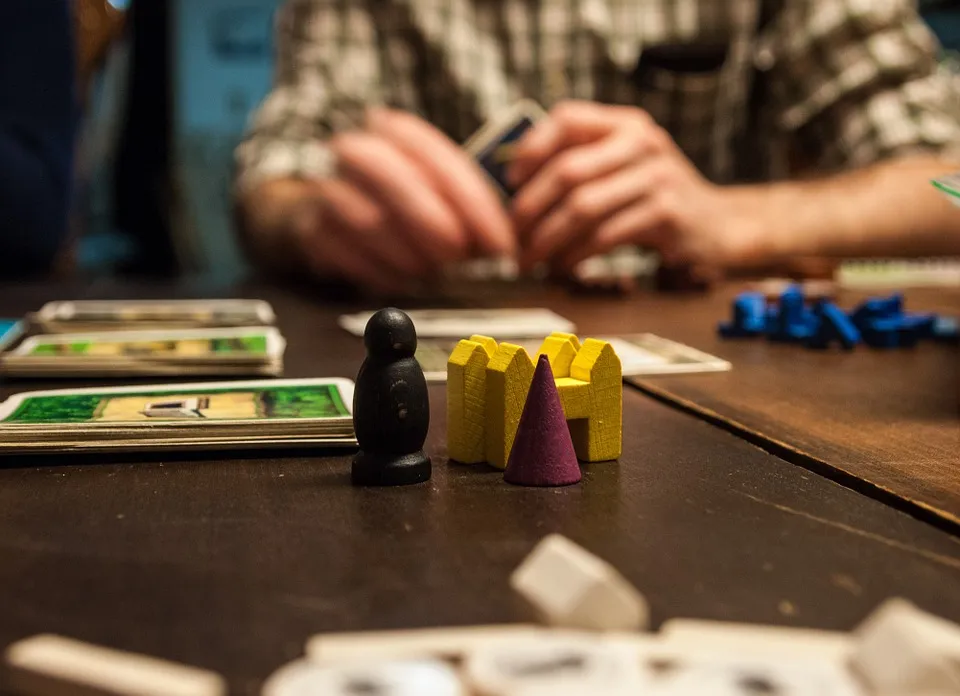
Catan turns on two dice. The total determines which hexes produce resources, and the players with adjacent settlements or cities collect them. The trouble is that production is seldom evenly distributed. One player is swimming in grain while another cannot get any ore.
At that point the game begins to depend on the people around the table. Once trading opens, the table becomes a market.
- “I’ll give you one lumber for a grain.”
- “Isn’t that a bit cheap?”
- “I’ll build another road next turn.”
For me, this is where Catan gets interesting. The value of a card changes depending on whose hand it is in. Even a promising negotiation can end with someone feeling betrayed.
One Robber Can Change the Whole Board
Roll a 7 and the mood shifts. The robber moves, production is blocked, and some players have to discard resources. The robber is almost a political instrument at the table.
Where you put it and whom you steal from both matter. Someone asks, “Why me?” Quiet grudges and new alliances form. This is where Catan gets its reputation for testing friendships.
Build Roads or Raise an Army?
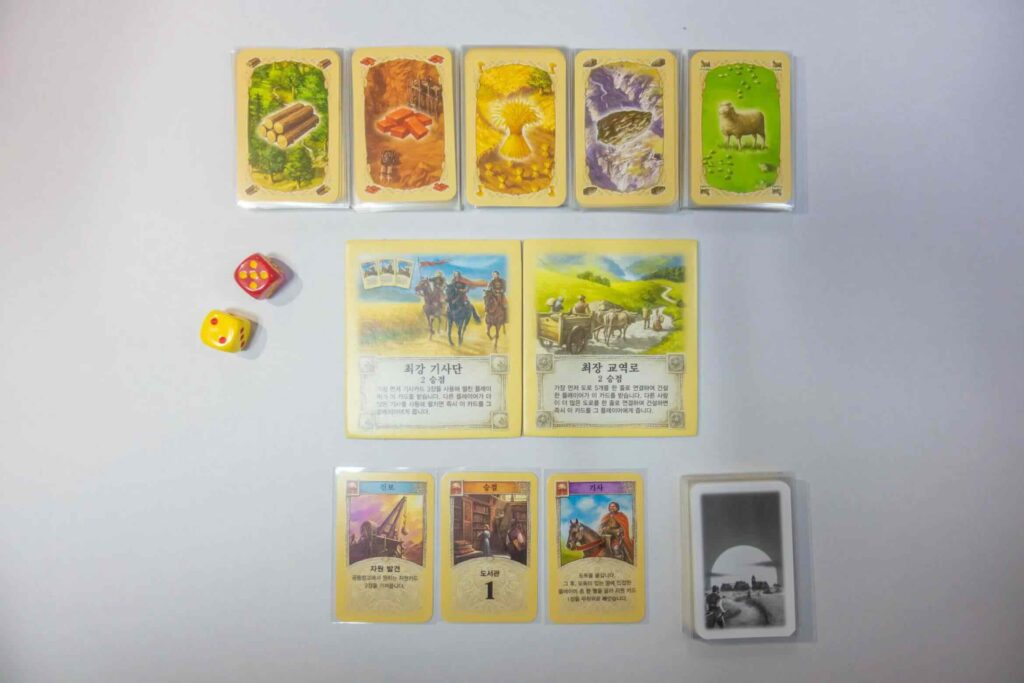
Two special cards are worth victory points: Longest Road and Largest Army. Each is worth two points, earned by extending a road network or playing knight cards. They give players two very different ways to develop.
One player connects roads quietly and takes control of the board. Another draws development cards and plays knights. Winning either bonus can change the race in a single turn. Catan keeps offering new choices about which direction to take, long after you have learned what each resource does.
Why It Still Comes to the Table Thirty Years Later
Luck matters, and a bad starting position can put you far behind. The flaws are part of what makes the game memorable. The disastrous games often stay with you longer than the ones that ran smoothly, because there were always people involved.
Someone blames the dice. Someone regrets a trade. Then everyone makes slightly different choices in the next game. That is how Catan became a fixture.
A Classic That Still Plays Well
Catan opens the door to modern board games for new players and still offers tension to experienced ones. The rules are easy to learn, the board rewards attention, and the relationships are never entirely predictable. That is why a game first released in 1995 is still being played.
Two dice build a civilisation and five resources reveal a little human nature. Catan still feels like a board game in the best sense.
Game Information
Catan
- Players
- 3–4 (up to 6 with an extension)
- Playing time
- About 60–90 minutes
- Genre
- Strategy / Negotiation / Resource management
- What to expect
- Dice luck, trading and table politics
OWL MAGAZINE may earn a commission from purchases made through this Coupang Partners link.