 WALKSCAPE
 Crosswave Edition
Dixit — Give a Clue That Only Some People Will Get
2026-02-02
Sometimes everyone nods along to the rules and then the room changes as soon as the game begins. The laughter dies down a little, and an unusual concentration settles over the table. Dixit brings on that change as naturally as any game I know.
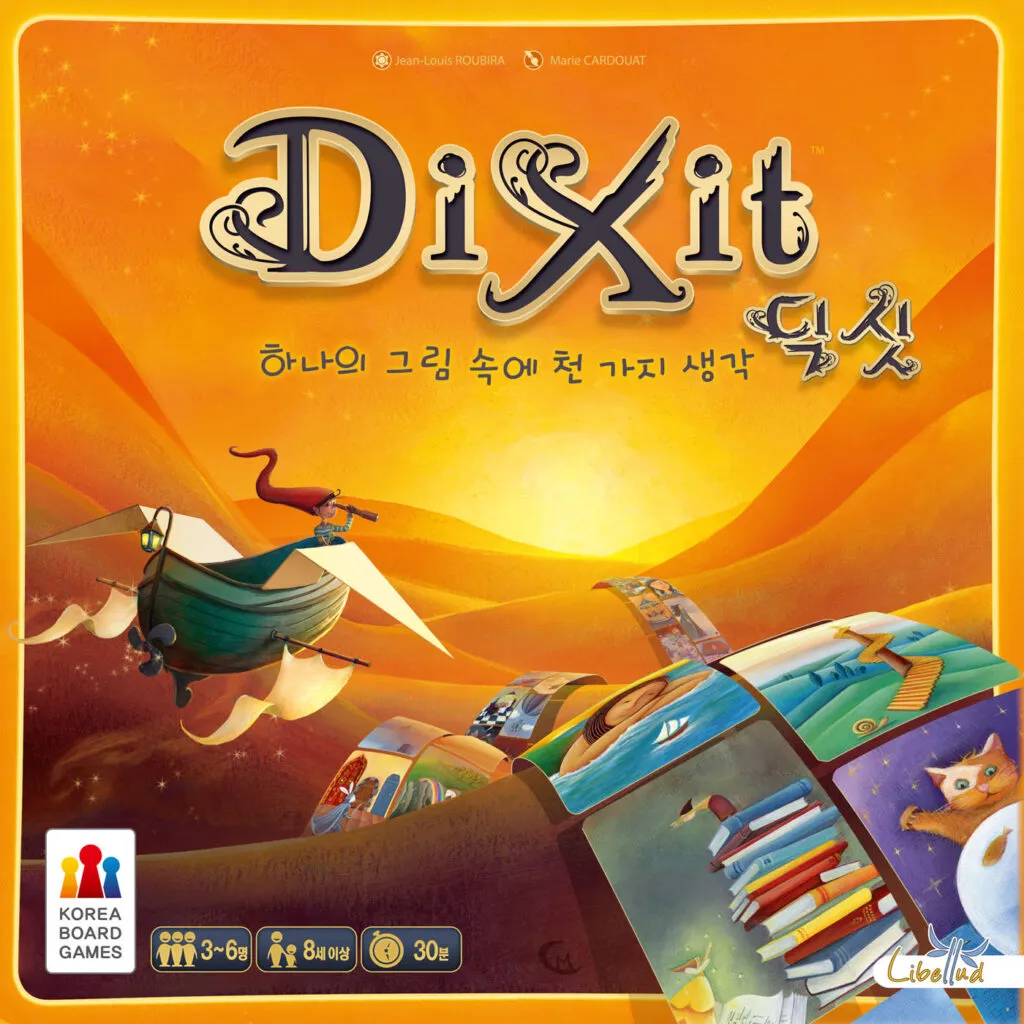
Released by the French publisher Libellud in 2008, Dixit looks gentle: colourful picture cards, rabbit pieces and a simple scoring track. A few turns later, you find it reveals how people think and what they notice.
A Game Built Around a Clue
There are no dice and little arithmetic. On your turn as storyteller, you need a picture card and a short clue. If everyone guesses your card, or nobody does, you get no points.
The skill is knowing how much to leave unsaid. Give a clue that makes sense to some people while letting others see something in a different card. Each turn you have to find that boundary again.
Reading People Through Their Pictures
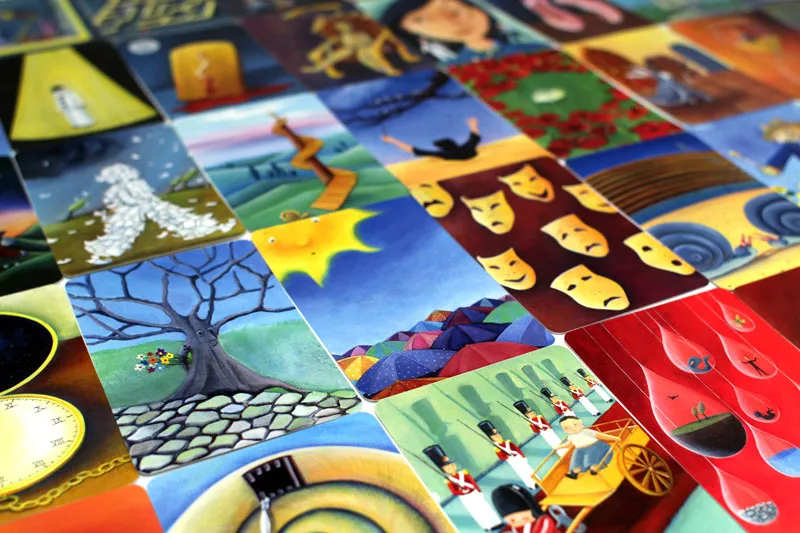
There are no obvious answers in these pictures. The scenes mix reality and fantasy in ways that can suggest entirely different stories to different people. You are trying to understand how this particular person might read this particular picture.
After a few rounds, you start noticing patterns.
- “They always give an emotional clue.”
- “They like references to music and films.”
You get to know people surprisingly quickly. That makes the game easy to play with strangers and often gives everyone more to talk about.
What You Remember After the Points Are Counted
There is a winner: the player with the most points. Oddly enough, few people seem to remember who it was. They tend to remember who gave which clue, and how everyone reacted.
You are giving other people a nudge towards a different way of seeing something. It can be funny, and sometimes you find yourself thinking you never would have seen the picture that way.
A Game That Changes the Mood of a Gathering
Dixit can change the mood of a room. It can quiet a loud party or help strangers find a point of connection. With one clue and one picture, everyone gets a glimpse of what the others were imagining.
It works at the start or at the end of an evening. You can play it between heavier strategy games or with someone entirely new to board games. The rules take little time to learn. The experience stays with you.
Why Dixit Keeps Coming Back to the Table
The players are what give the game its staying power. The clue you get and the way people hear it both change from one game to the next. The same deck can produce a very different evening.
Getting a clue right is only part of Dixit. Getting just enough people to miss it is what makes the turn interesting. That may be why the box keeps coming back out.
Game Information
Dixit
- Players
- 3–6
- Playing time
- About 30 minutes
- Genre
- Party game / Imagination and storytelling
- What to expect
- Open-ended clues, with the people around the table at the centre of play
OWL MAGAZINE may earn a commission from purchases made through this Coupang Partners link.