 WALKSCAPE
 Crosswave Edition
Da Vinci Code — The Numbers You Can’t See
2026-02-01
Da Vinci Code (Algo)
In some board games, the moment the room goes quiet is when the fun begins. The tension comes while everyone is looking at the pieces in front of them, waiting for the next person to speak. Da Vinci Code is that kind of game. A few numbered pieces are enough. Hiding the numbers from your opponents changes the whole mood.
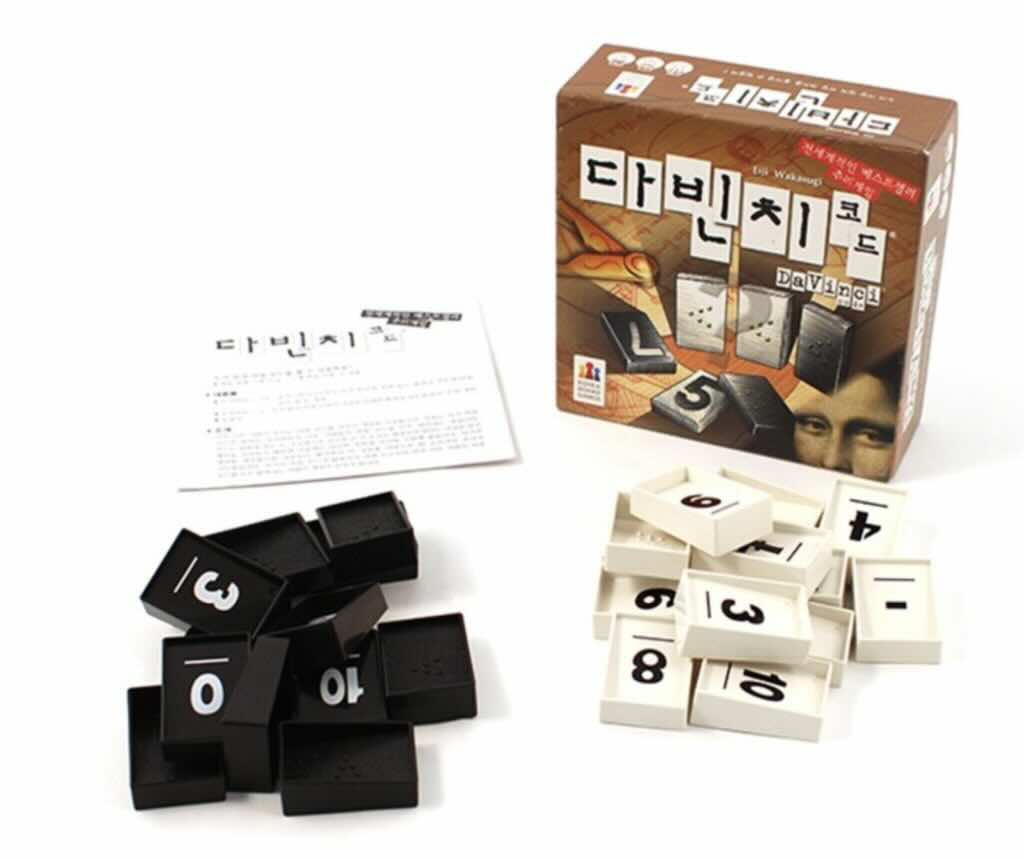
In Korea it is known as Da Vinci Code, but it began in Japan as Algo. Gakken released the deduction game in 2002. The Korean title gives it a touch of mystery, but the goal is clear: be the first to uncover all your opponent’s numbers while keeping as much of your own information hidden as possible.
A Game of Memory, Logic and Observation
The numbers are there to be deduced. You can see your own numbers, while the concealed numbers facing away from you are your opponents’. Pay attention to the colours, the order of the pieces and what happened when someone made a guess.
As more numbers are revealed, every guess adds a little information. “It can’t be that one, then.” “If they guessed that number now, what must they already know?” Each turn ends with a pause while everyone revises what they think. That silence is the part I like most.
Short Rounds, Sharp Decisions
A game can be over in about 15 minutes and takes two to four players. It is easy to be surprised by how quickly it ends. After a few rounds, you realise the short playing time gives every decision more weight.
A correct guess tempts you to try for another. A mistake can cost you the game. Do you keep guessing or end the turn safely? A correct answer puts you further ahead. Get it wrong and you expose a piece of your own.
A Contest in Reading the Table
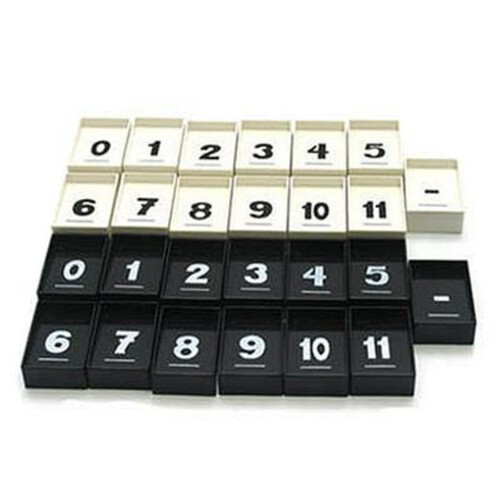
The pieces are simple: black and white numbered blocks and a joker. With so little to look at, your attention shifts to the people around the table. Who hesitates before guessing? Who sounds sure? How does someone react when they get it wrong?
You are trying to identify hidden numbers, but you are also reading the other player’s reactions. Watch someone who plays well and you will see them paying attention to how the other player acts before they call out a number. The choices people make can give each round a different shape.
Why It Still Gets Played
There are no dice or bells, and it rarely gets loud. Still, it is easy to bring out with new players and people who already like strategy games. The explanation is brief and there is plenty to think about.
It fits between longer games, at the beginning of a session or at the end. And somehow one round rarely seems to be enough. “I guessed too soon.” “I could have worked that number out.” Then you are setting up again.
How Long Can You Keep Your Numbers Hidden?
It comes down to how well you hold back what you know. Solving the other player’s numbers is only half the work. You also have to decide when to risk exposing your own. It is quiet, quick and hard to forget.
Few games make you think so much about a few numbers. That is why Da Vinci Code keeps coming back to the table.
Game Information
Da Vinci Code (Algo)
- Players
- 2–4
- Playing time
- About 5–15 minutes
- Genre
- Deduction / Logic game
- What to expect
- Simple rules, a steady buildup of information and a tense read of the other player
OWL MAGAZINE may earn a commission from purchases made through this Coupang Partners link.