 WALKSCAPE
 Crosswave Edition
Same Game, Different Box — Why Board Games Turn Up Under Several Names
2025-12-28
Why Do Identical-Looking Games Have Several Names?
If you have looked for a board game you played before, you may have found a box with a different title. The rules sound familiar and the play looks the same. Ask someone whether it is another game and you might hear:
“No, it’s the same game with another name.”
At first that sounds odd. A game is something somebody created. How can the same thing turn up more than once with a new name? You might assume the copyright expired and anyone can make it now. In board games, there is often a simpler explanation.
The Difference Between a Mechanic and Its Expression
It is easy to assume copyright covers how a game works. The way you take a turn or the conditions that determine who wins usually belong to the realm of ideas and methods of play. They are the framework for the game.
Copyright generally protects the specific way an idea is expressed. The mechanism itself is a different matter. Many new games are possible because designers can work with familiar ideas about how play proceeds.
Artwork, character designs and the wording of a rulebook may qualify for copyright protection. Another important element is the game’s name, which may be protected separately as a trademark. This distinction helps explain how similar games reach the market under different names.
Penguin Pang Pang and Penguin Ice Breaker
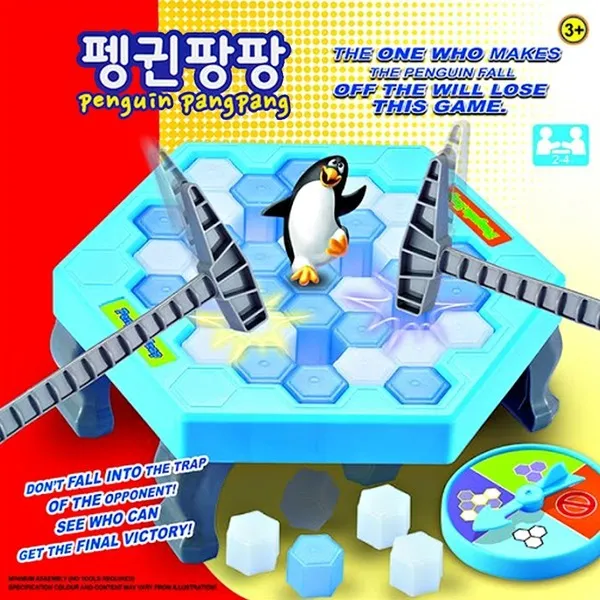
Penguin Pang Pang and Penguin Ice Breaker are easy examples to picture. Their rules and play are nearly identical. You place a penguin on a field of ice blocks and take turns knocking blocks out. Whoever sends the penguin tumbling loses. The hammers, the layout of the ice and the tension at the table feel familiar from one version to the next.
The names, packaging and sellers can still differ. Part of the reason is that copyright generally does not protect a game’s underlying rules and ideas. Specific artwork or designs and the names attached to them raise separate questions.
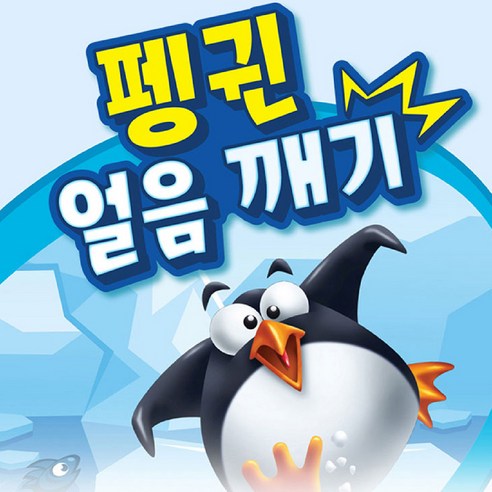
One version uses the catchy name Penguin Pang Pang. Another uses Penguin Ice Breaker, a phrase that tells you what happens. Similar play reaches the shops in boxes with different names and artwork. You may recognise the game before you recognise the brand.
Retail and Search Shape the Names Too
A seller also has to think about what people will search for. Penguin Pang Pang sounds playful and is easy to remember, but a new shopper may not know what sort of game it is. Penguin Ice Breaker tells them right away.
Retail listings sometimes put both names together:
“Penguin Ice Breaker board game — Penguin Pang Pang.”
That phrasing helps shoppers understand the product and find it. The name people remember and the words that describe the game can both fit on a listing.
From the shopper’s side, repeated listings can make the game seem to have several names. Once you see how retailers describe it, the overlap starts to make sense.
What You Remember Is the Time at the Table
The same pattern shows up elsewhere: games about pulling out blocks, balancing pieces or waiting to see whom chance knocks out. Similar ideas can turn up in different designs with their own names.
A familiar game can therefore turn up in an unfamiliar box. The time you spend around it is what matters: the laugh, the growing suspense and the person protesting when a piece falls.
The next time two board games look alike, it is worth looking at how they play. If their rules are the same, much of the experience may be familiar even when the artwork and name have changed. A game takes on its identity in the time people spend playing it together.