 WALKSCAPE
 Crosswave Edition
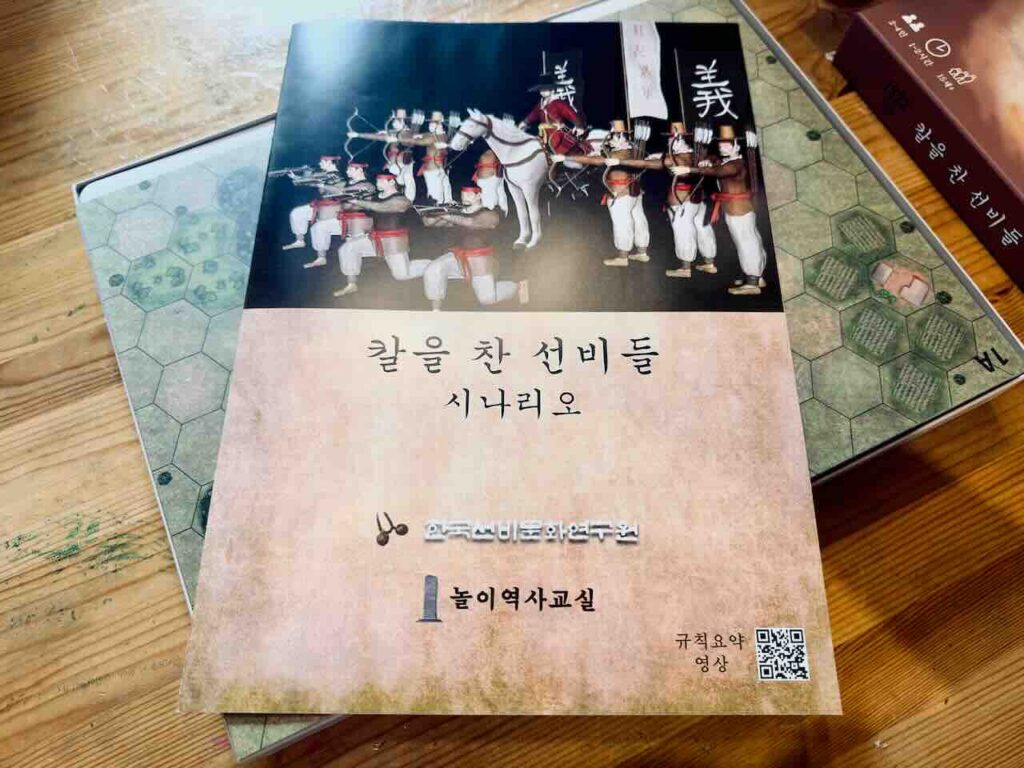
Scholars with Swords — Playing Through the Imjin War
2025-12-22
Turning a War into Rules
The Imjin War takes a great deal of explanation and is still hard to explain. Invasion is part of the story, but it cannot account for all that broke down within Joseon. A story about heroes leaves out the failures and misjudgements alongside their victories. Building a playable game around that history takes some nerve. That is where Scholars with Swords begins.
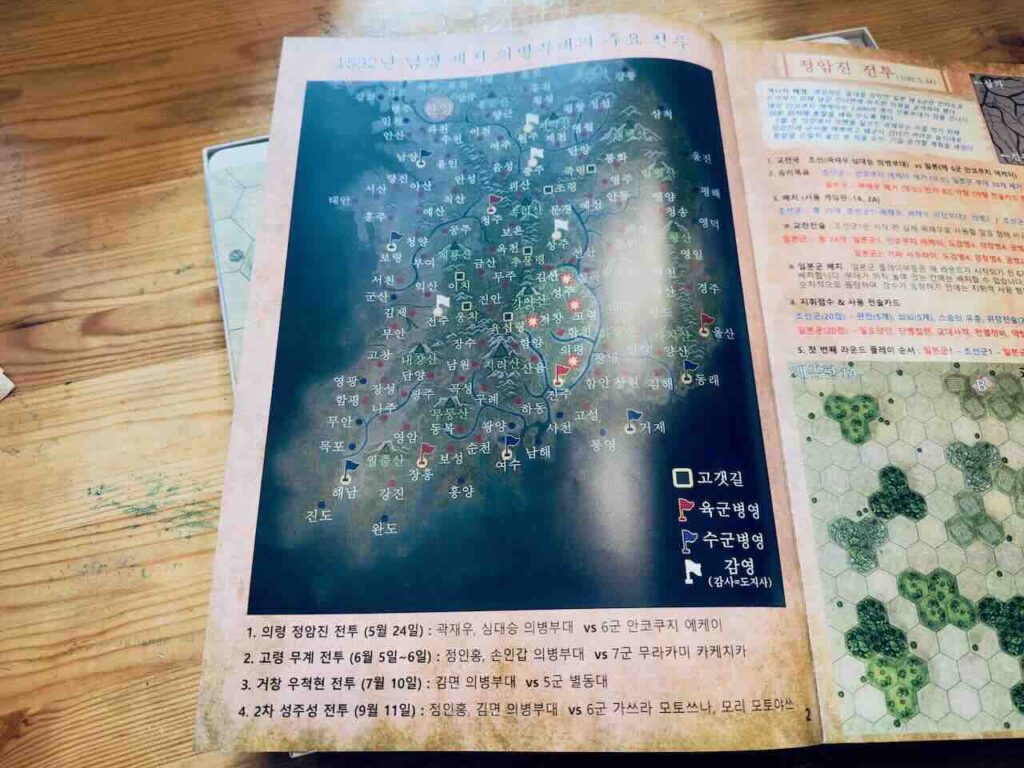
It puts the wartime situation into rules and choices on the board. Rather than recounting the story for you, it asks you to move Joseon and Japanese forces and consider why one side lost and where a battle turned.
A Difficult Starting Position for Joseon
Early in the war, Joseon struggled to translate warnings and available troops into an effective defence. Japanese forces advanced quickly and Joseon suffered a succession of defeats. King Seonjo fled the capital, and Gyeongbokgung Palace burned in the turmoil that followed his departure.
The failures went beyond tactics. Shin Gak, who won an early land victory, was executed on a charge of disobeying orders. Yi Sun-sin, despite his naval victories, was removed from command and imprisoned amid accusations about his conduct. The invasion exposed internal divisions at the same time as it imposed a military crisis.
The game turns those conditions into its opening position. Joseon starts at a disadvantage and Japan begins with the initiative. The starting conditions are historical. The result remains to be played.
A Wargame Focused on Battles
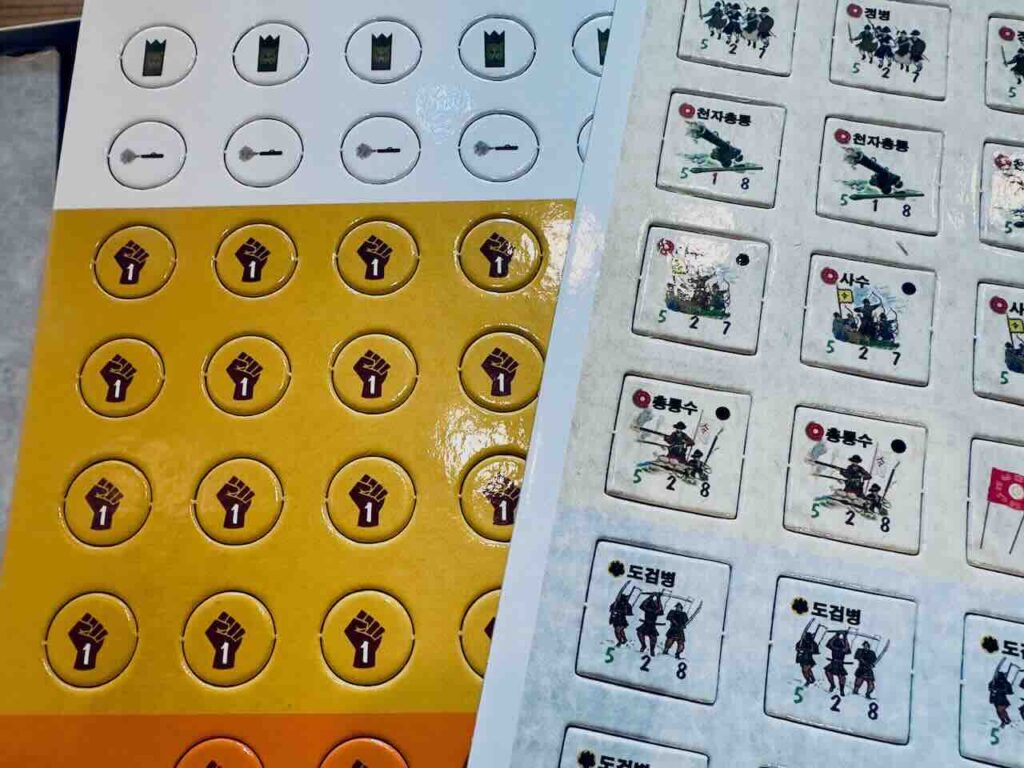
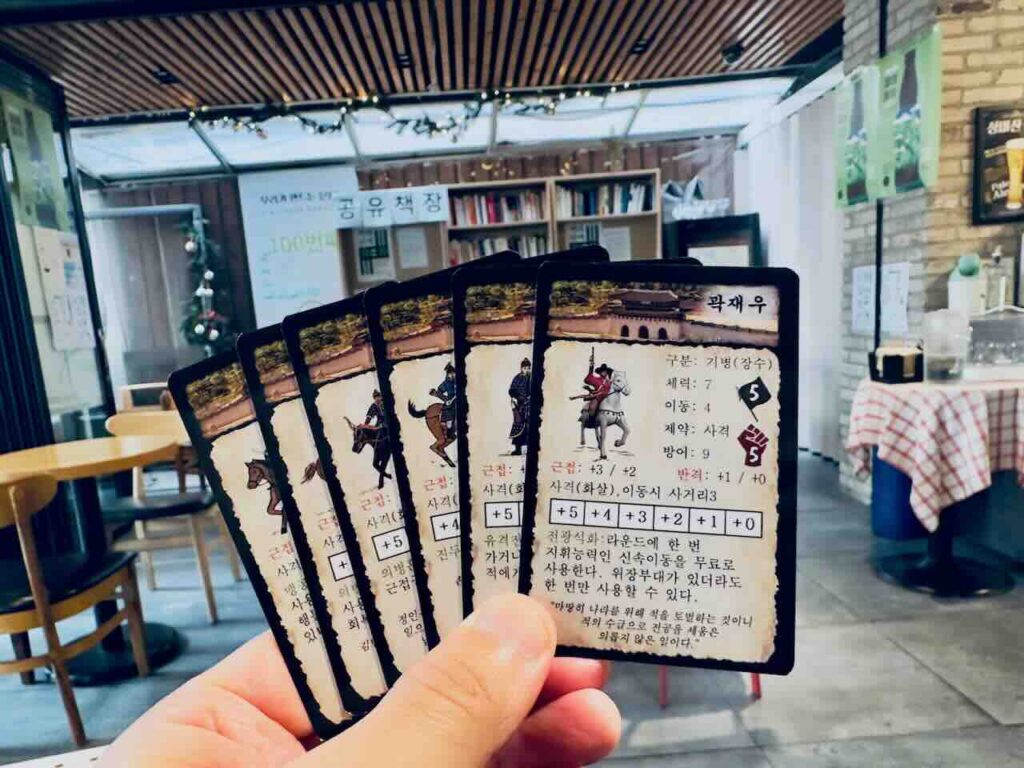
The game concentrates on military operations and sets aside much of the diplomacy, politics and debate at court. Combat is shaped by the kinds of troops Joseon and Japan used and by what different arms could do.
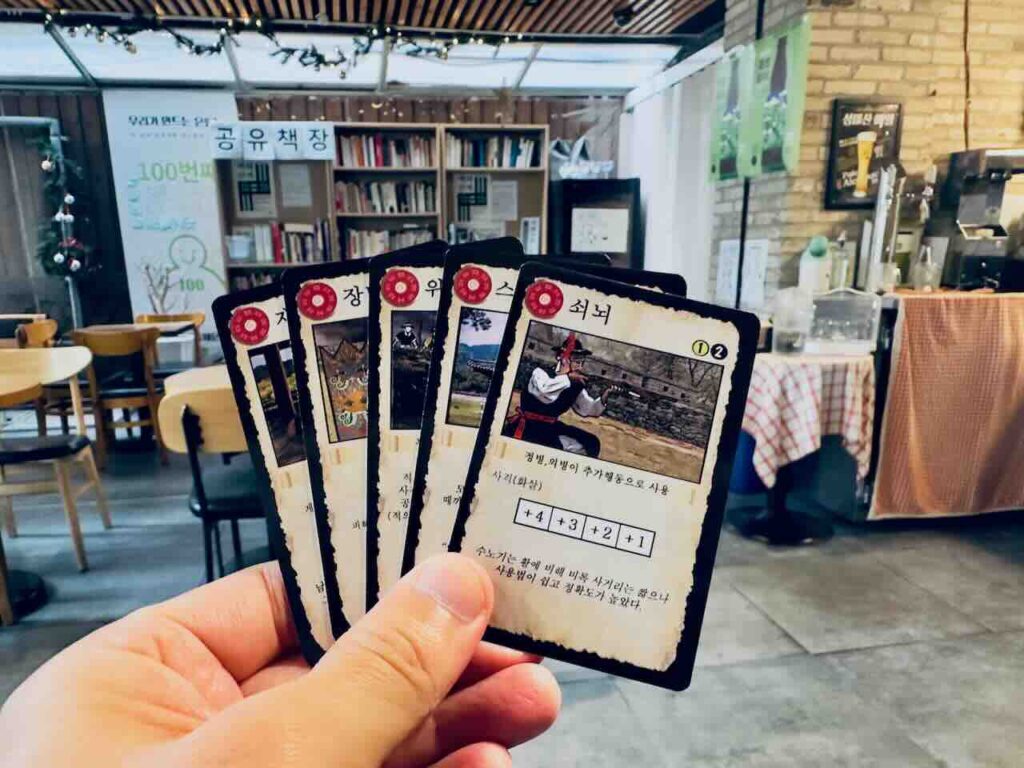
Infantry, cavalry and naval units have different strengths, while commander cards represent historical figures. Those matchups can change when tactics cards enter the mix.
A card can turn an unfavourable position around or help undo an apparently secure advantage. It captures something about how military plans can fail. Even with superior numbers or a good commander, a single decision can alter a battle.
History, One Scenario at a Time
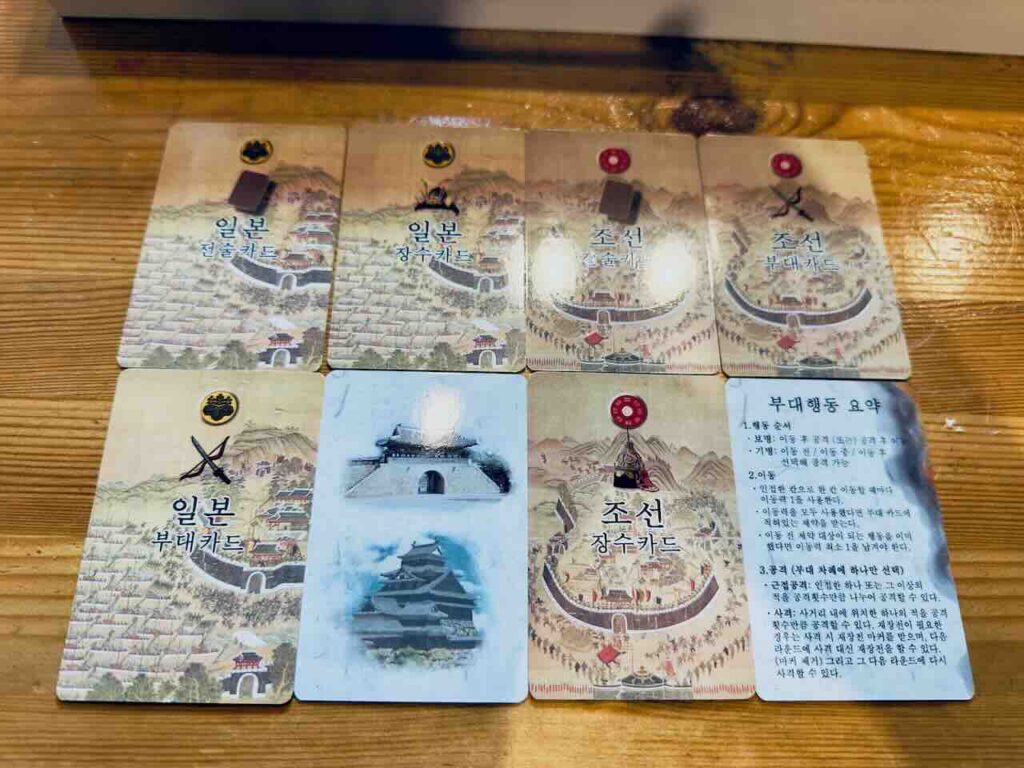
There is no single victory condition. Scenarios based on historical battles put different demands on the players.
In one scenario, Joseon may be trying to hold out. In another, the Japanese player has to reproduce the pace of an advance. At some point, you find yourself asking:
- “What else could they have done here?”
- “Why did this battle take the course it did?”
The game shows what follows from a choice and leaves you to consider why. In that sense, it can become a history you work through at the table.
What a History Classroom Can Do with a Game
The group behind the game is Nori Yeoksa Gyosil, or Play History Classroom. The name suits a project that uses play to get closer to a historical problem.
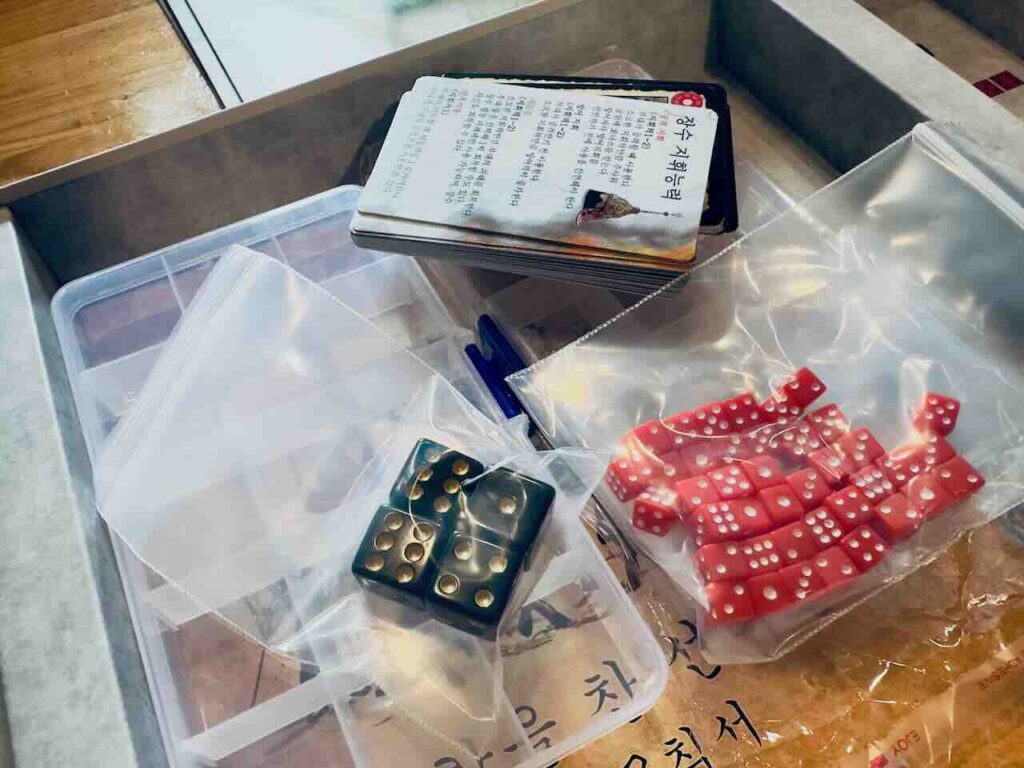
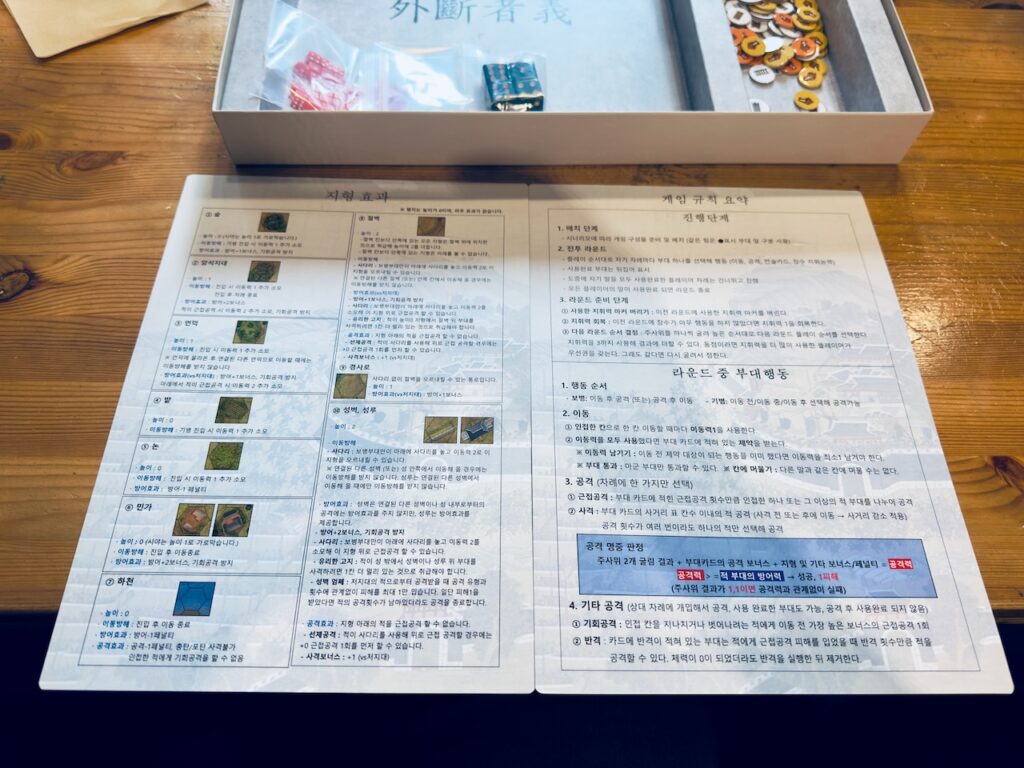
The creators provide video explanations and background music for the game. Those materials make it easier to learn the rules and spend more of the session thinking about how the war unfolded.
The subject is heavy. It can still work in a classroom because players have to make the moves themselves.
Another Way to Remember a War
Scholars with Swords presents the war as a sequence of decisions. Wins and losses are results of what happens on the board. A hero does not appear simply because the story usually has one.
That gives the game a weight of its own. A defeat that took up a line in a textbook can become something you spend a turn trying to understand.
Play brings you back to a difficult piece of history. That is what makes the game worth considering, and what gives its title more weight than a flourish.
Game Information
Scholars with Swords (Kal-eul Chan Seonbideul)
- Players
- 2 (Joseon and Japan)
- Playing time
- About 90–120 minutes, depending on the scenario
- Genre
- Wargame / Historical strategy
- Setting
- The Imjin War