 WALKSCAPE
 Crosswave Edition
What Makes Korean and Japanese Mochi Ice Cream Feel So Different?
2025-12-25
Technique, Cost or Something Else?
The desserts look alike and go by similar names. In Korea there’s chaltteok ice, and in Japan mochi ice or ice daifuku. The pleasure of chewing sticky rice dough and reaching the cold cream is common to both. Taste them next to each other, though, and they can feel like very different desserts. Personal preference explains which one you reach for. It leaves open the question of what gives each bite its character.
Is it a matter of ingredients, or of what a maker wants the finished thing to feel like?
The Difference at the First Bite
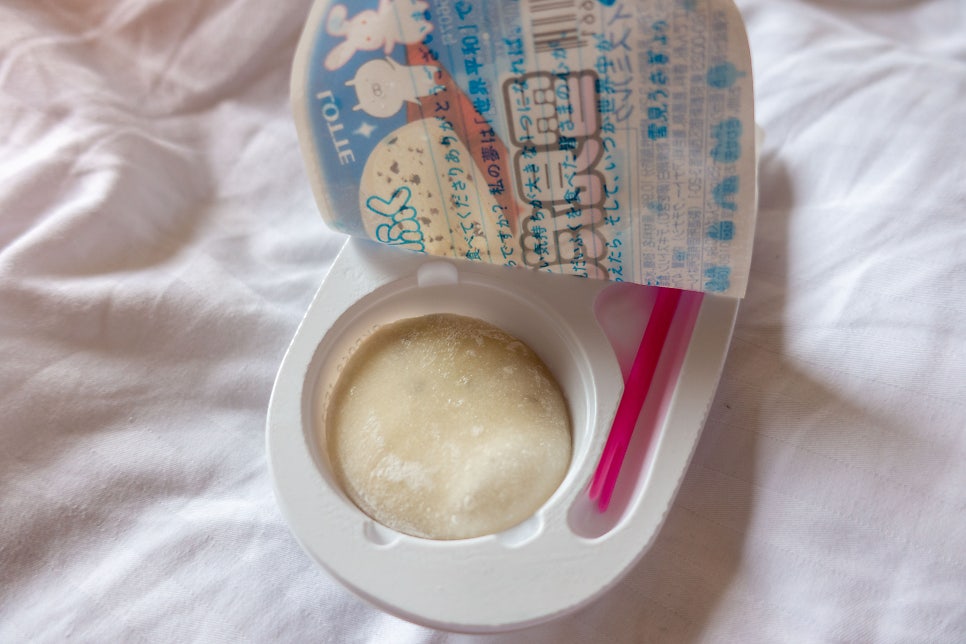
A familiar Korean chaltteok ice has vanilla ice cream inside a chewy rice shell of fairly even thickness. In the Japanese versions that prompted this comparison, the boundary is softer. The outer layer yields as the ice cream comes through. The resistance of the dough, its spring against the teeth and the pace at which the filling melts all affect what you notice first.
In one, the sequence is distinct: chew the rice dough and then meet the ice cream. In the other, the two textures blend almost immediately. The way the shell and filling are made can shape that difference.
The Same Rice Can Make a Different Dough
A rice shell has to hold its shape in the freezer and through distribution. The Korean snack in this comparison has a firmer shell, one you feel even after the filling starts to melt. Moisture and the composition of the dough both affect how much it yields.
A softer shell gives as soon as you bite. Stretching the dough thin while keeping it supple at freezer temperature is a difficult balance. The mix of starches and sugars, dough temperature and the way the product is frozen can all make a difference.
The first bite suggests two priorities: a shell with chew of its own, or a shell that gives way as part of a single texture.
The Ice Cream Has a Job to Do Too
The Korean version has a firm centre. In the softer Japanese versions, the ice cream gives almost as readily as the dough. Air content, milk fat and sugar all affect the firmness and melting of ice cream, and the outer layer changes what the right balance feels like.
Even the same milk and sugar can produce different results with a different mix, churning or cooling. Mochi ice cream puts those choices in a small package where you can feel their effect almost at once.
What a Price Can Tell You
It’s tempting to put the difference down to price. A more involved process can cost more, but price alone does little to explain what happens when you bite into the dessert. The recipe and the way it is made would tell you more.
A mass-market frozen snack has to be available, consistent and affordable. That is an achievement of its own. It also gives a maker a different set of constraints from a product built around fine differences in texture.
Two Ways to Think About the Dessert
The Japanese versions I found most striking seem to treat the pace of the bite as something worth attending to in its own right. The temperature and give of the two layers are part of the pleasure.
The familiar Korean chaltteok ice has a different strength. It’s easy to find, affordable and reliably tastes like the snack many people remember. The distinct chew is part of that familiarity.
There’s Room for Another Kind of Bite
Putting more money into a recipe wouldn’t necessarily make one style feel like the other. The target would have to change first. Small ice-cream makers and dessert shops also have more room to make texture the reason to seek out the product.
The more interesting comparison is what each version chooses to keep: a clear bite of rice cake and ice cream, or a softer passage from one to the other.
They look like the same idea in the freezer. One bite shows how much there is to decide.