 WALKSCAPE
 Crosswave Edition
A Thousand Years of Seoul, Buried at Namsangol Hanok Village
2025-12-21
Burying a Moment in Time
In 1994, Seoul marked six centuries since the capital moved from Gaegyeong, the seat of Goryeo, to Hanyang under the Joseon dynasty. The city buried a time capsule to record life as it was and leave a message for a future Seoul. It is scheduled to be opened in a formal ceremony in 2394, a thousand years after the move.
A Capsule Shaped Like the Bosingak Bell
The capsule takes the form of the Bosingak Bell, a familiar symbol of Seoul. Its shape ties the objects inside to the history of the capital. The contents were sealed under vacuum to protect them from corrosion and damage. Everyday objects, documents and artifacts preserve a cross-section of life in 1994 and tell the story of the city through the things its residents used.
A Plaza on the Slopes of Namsan
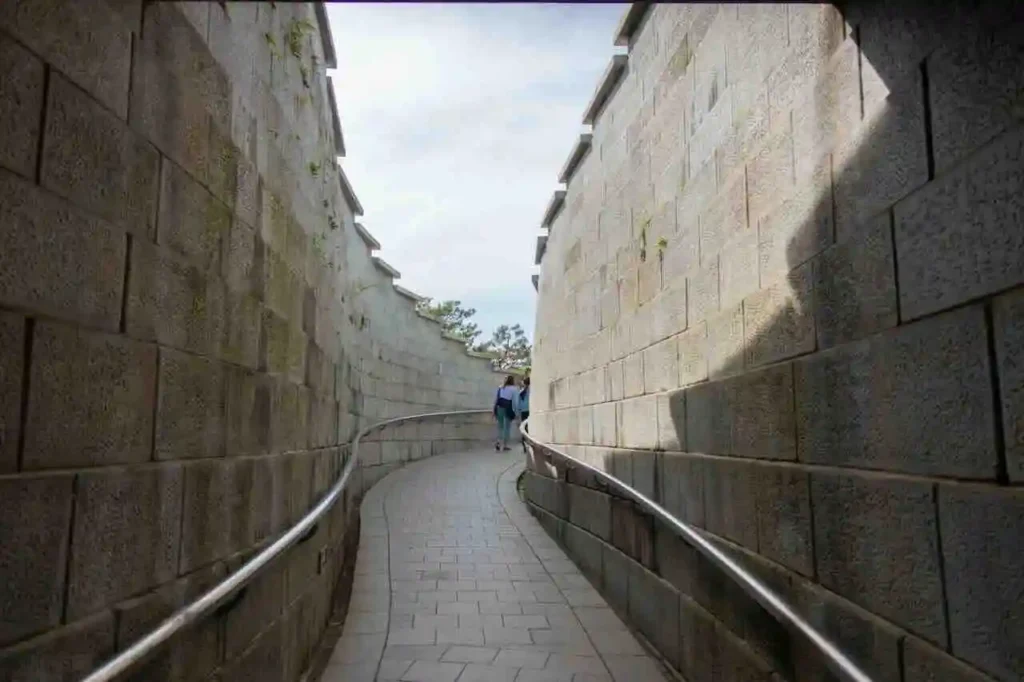
From Namsangol Hanok Village, follow the uphill path toward Namsan. The plaza lies beyond the traditional houses, with Namsan Tower visible to one side. The route brings the village, the modern skyline and the city’s message to the future into the same view.
The plaza shows how Seoul chose to record its own time. Amid the quiet of Namsangol Hanok Village, the capsule is still waiting for the people who will open it.
Seoul Millennium Time Capsule at Namsangol Hanok Village Visitor Information
- Address
- Namsangol Hanok Village, 28 Toegye-ro 34-gil, Jung-gu, Seoul
- Phone
- 02-2264-4412 (at the time of reporting)
- Website
- Official website
- Hours
- 09:00–21:00 at the time of reporting. Hours vary by season and event.