 WALKSCAPE
 Crosswave Edition
What happens when you breed foxes that seek human contact?
2026-11-20
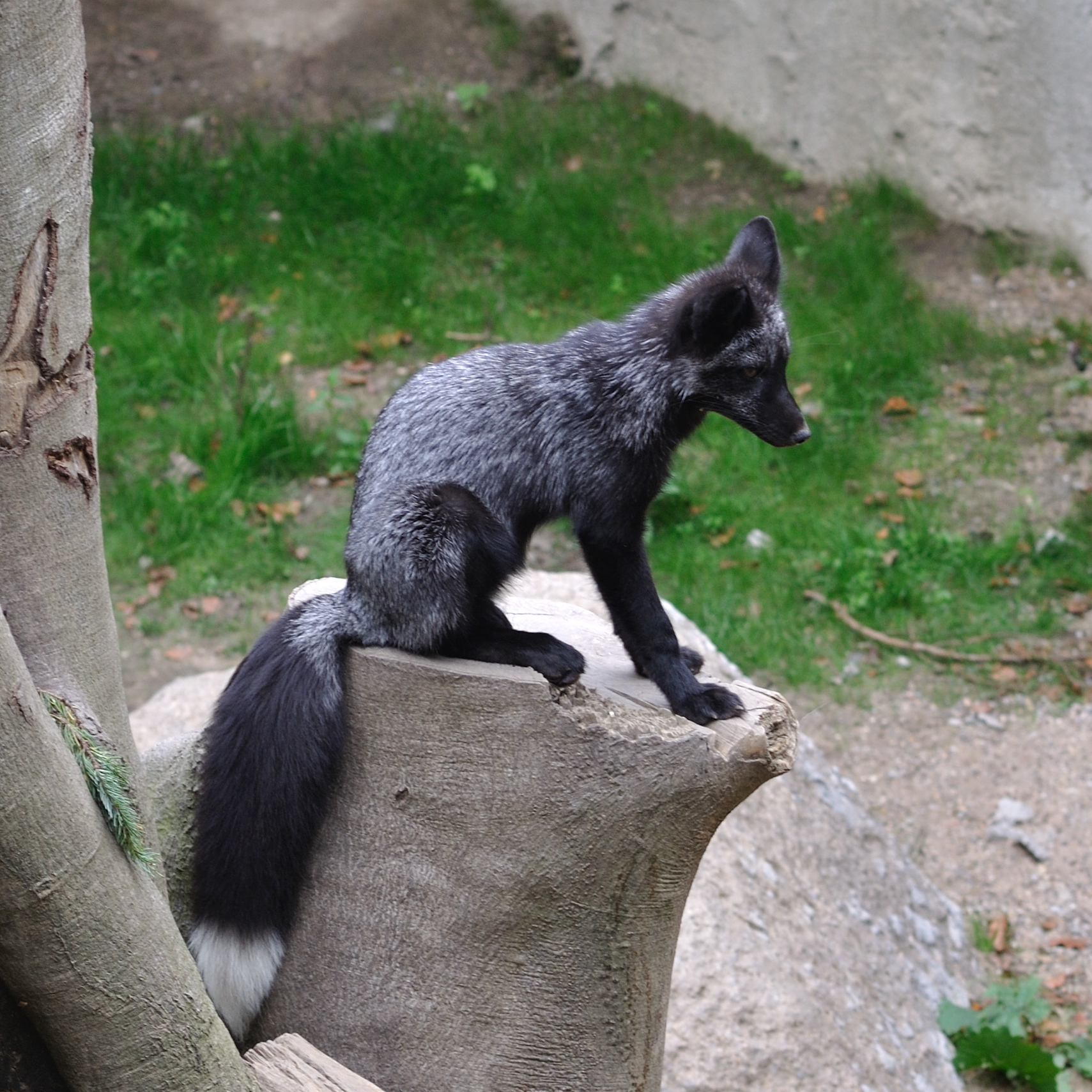
A person approaches an enclosure. One fox moves away, another bares its teeth, and a third comes toward the hand. When the Soviet silver fox experiment began in earnest in 1959, these reactions helped decide which animals would parent the next generation. Dmitri Belyaev and Lyudmila Trut wanted to see what repeated selection for responses to people could do.
Selecting a response across generations
The animals were silver foxes, a dark coat variant of the red fox, already bred on fur farms. Researchers observed how each animal reacted when a person approached, offered food or attempted contact. They selected against fear and aggression, then favoured foxes that actively sought human contact. Later studies compared the tame line with a line selected for aggression and conventional farmed foxes.
An individual can grow accustomed to a keeper. The experiment asked a different question across generations. How would a population change if the foxes producing the next generation were consistently chosen for their behaviour toward people?
Four of 213 in the sixth generation
A 2018 paper reported that the first animal in the highest tameness category appeared in generation four. In generation six, four of 213 foxes fell into that category, about 1.8%. By generation 45 almost all the animals in the tame line did. The category involved behaviours such as approaching people or seeking contact, beyond simply staying still when a person came near.
A separate genome study compared the tame, aggressive and conventional lines. It identified several regions associated with behavioural selection, and highlighted SorCS1 as a candidate. A candidate is a lead for further research. The study did not reduce the full range of social behaviour to a single gene.
The question about ears and coats
The original team reported physical changes including floppy ears and white markings. Those findings have often been used to argue that selecting for tameness can produce a common set of traits across domesticated animals.
Kathryn Lord and colleagues worked back through the history of farmed foxes. Their 2020 paper points out that the experiment began with animals from an established fur-farming population and that some of the traits were documented before the experiment. Seeing a trait in the selected line does not establish that it originated with the selection for tameness. Whether those traits form a universal domestication syndrome is a further question.
The strongest evidence from this experiment remains the animals’ responses at the enclosure. The researchers recorded who withdrew and who came closer, then showed how the frequency of those behaviours shifted across generations. Interpreting a change in ears or coat also requires knowing what was present in the farms the foxes came from.
Sources and photograph
Research team · The silver fox experiment
Behavioural selection and responses by generation
Kukekova et al. · Red fox genome
Lord et al. · The history of farmed foxes
Cover · Silver fox at Osnabrück Zoo, Quartl / Wikimedia Commons
Photo licence · CC BY-SA 3.0
