 WALKSCAPE
 Crosswave Edition
Were Britain’s blocked windows really a result of the window tax?
2026-11-18
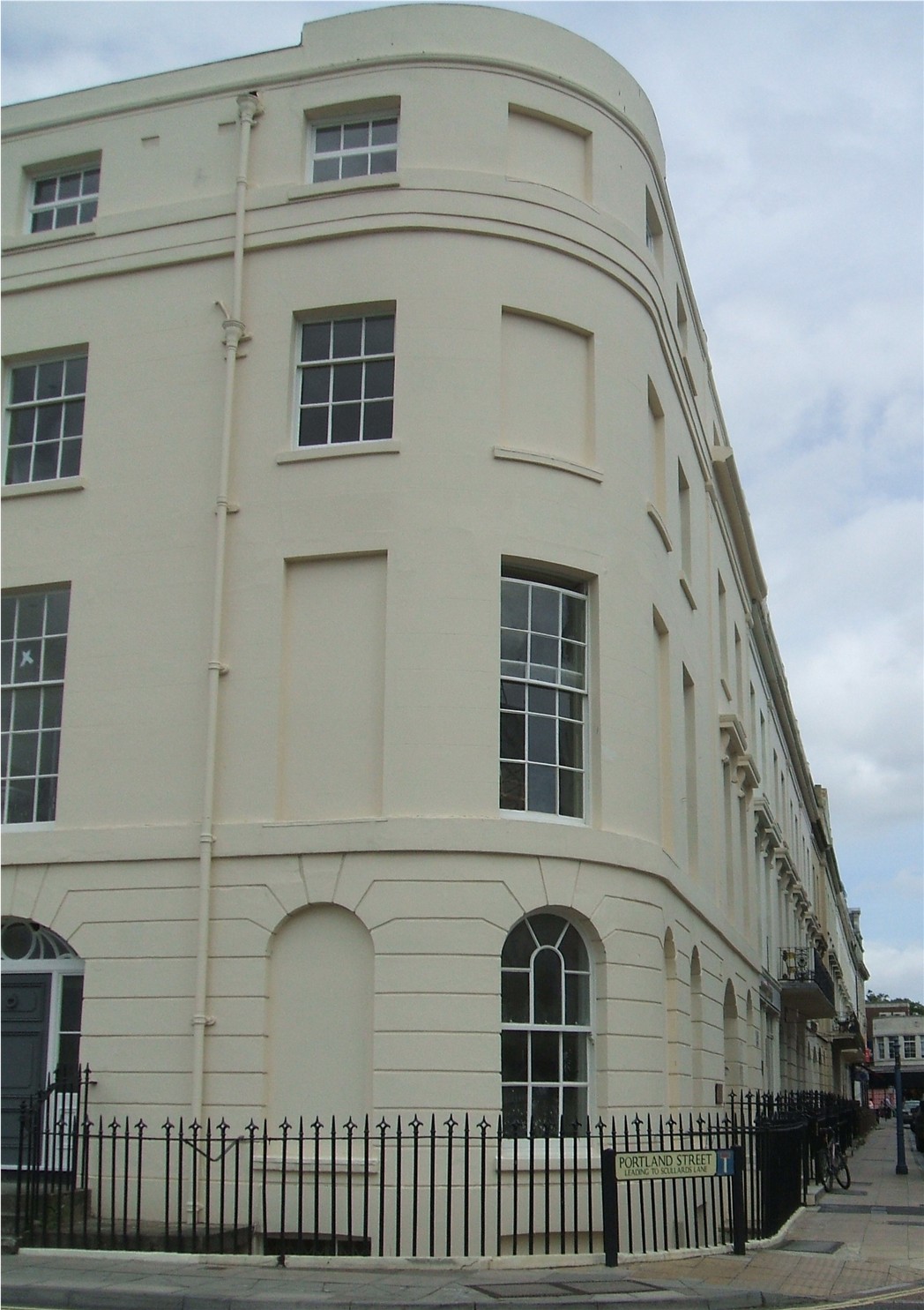
At a corner of Portland Street in Southampton, the sills and arches continue where glass might be expected. The street was built while the window tax was in force. Historic England records a bay of blank windows facing Portland Street. The entry leaves open when the blanks were made and why.
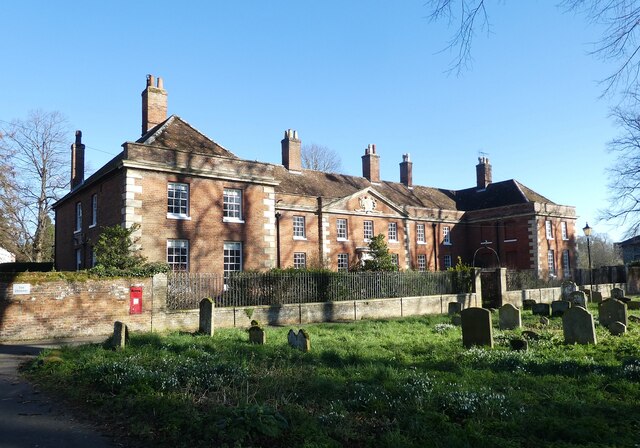
A second building, the former Clopton Asylum in Bury St Edmunds, illustrates another reason for leaving a window-shaped space in a wall.
What a tax collector could count
England and Wales introduced the tax in 1696. In an 1850 Commons debate, MPs described the earliest system as a two-shilling charge on a house, with additions based on its window count. Ten windows initially meant four shillings extra. Thresholds and rates changed. The year matters if you want to work out what closing one opening might have saved.
London’s Middle Temple archives preserve a 1731 bill for £4 18s, for premises with more than twenty windows, and a receipt for £36 in the 1740s. Those records establish that the institution was taxed. To connect a particular opening to the bill, you would also need evidence that the window was shut and when it happened.
A rectory and an almshouse
A regional photographic archive describes windows in the staircase section of the Old Eckington Rectory in Derbyshire as having been closed to avoid the tax. It is an attribution to a specific building. The catalogue entry supplies neither a dated work order nor a matching assessment.
At the former Clopton Asylum in Bury St Edmunds, built as almshouses around 1744, the Bury Society explains the apparently blocked windows in terms of architectural symmetry. Historic England records the central range and two wings. A recess can keep the spacing of the façade regular even where the room behind it does not call for a window.
To read the Southampton photograph, look for joins in the masonry, early plans and what sits behind the wall. Render can hide the brickwork, and signs of repair can belong to a later alteration. Being able to see the outline of a window does not establish that it ever held glass.
What the records say about light and air
Sunderland’s health committee reported that owners had blocked windows to escape the tax, diminishing light and ventilation. Parliament’s account traces the town’s petition and the wider campaign. The tax was repealed in 1851. The records tell us that some people closed windows to save money. For a particular building, the task is to establish when the opening changed and whether its tax records explain the work.
Sources and photo credits
The National Archives · Window tax
Hansard · Window Tax debate, 1850
Middle Temple Archive · Historic tax bills
UK Parliament · Sunderland and the window tax
Picture the Past · Old Eckington Rectory
Historic England · Portland Street listing
Historic England · Former Clopton Asylum
The Bury Society · Façade symmetry
Cover photo · Gary Burt (Whilesteps), Wikimedia Commons
Cover licence · CC BY-SA 3.0
Clopton photograph · Rob Farrow, Geograph
Clopton photograph licence · CC BY-SA 2.0
