 WALKSCAPE
 Crosswave Edition
Why the airline on your ticket may not fly the plane
2026-11-17
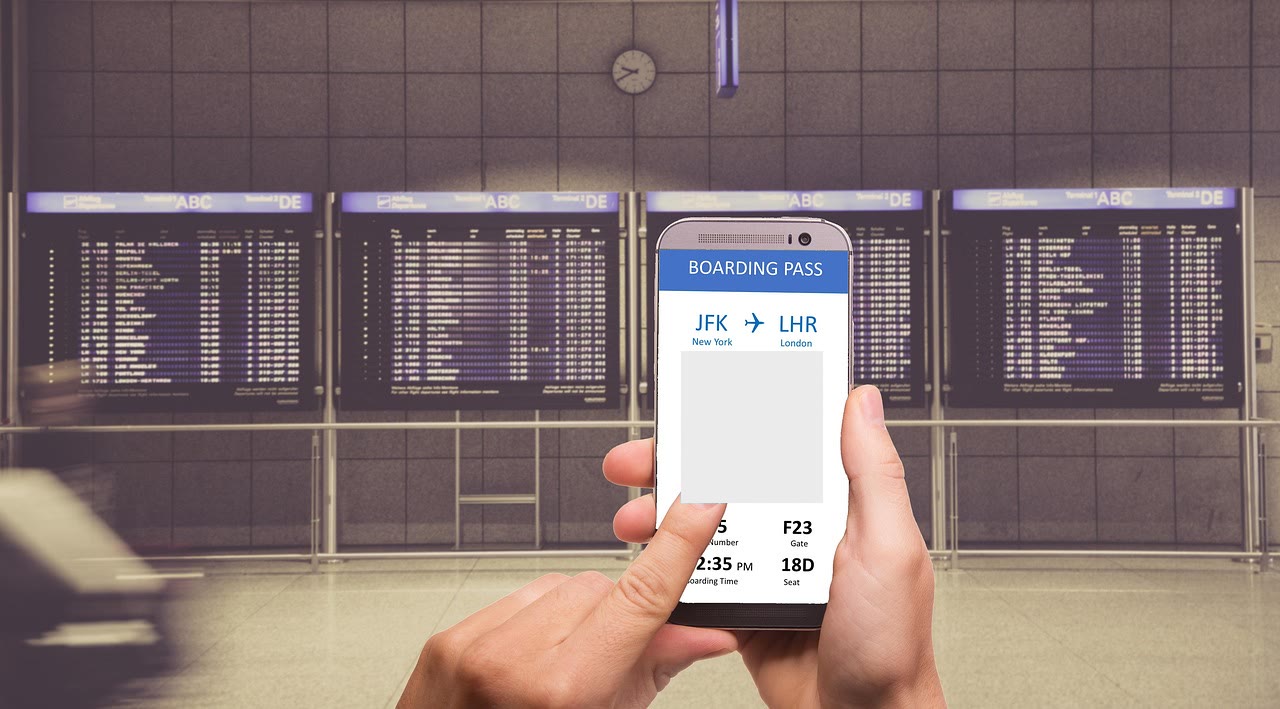
Two flights leave Incheon at nine in the morning. One listing carries airline A’s flight number. The other carries airline B’s. Open the details and airline A’s listing says “operated by airline B.” There is one departure. B flies it, and both airlines sell seats under their own codes.
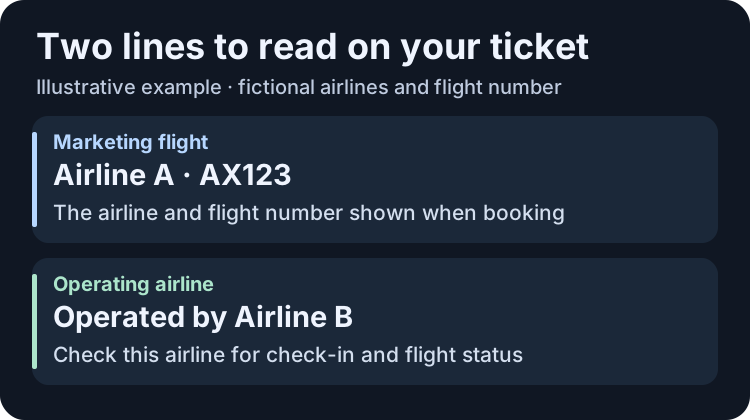
Two flight numbers, one aircraft
A is the marketing carrier. B is the operating carrier. The agreement lets A sell an itinerary that includes a route it does not fly itself. B can reach customers who searched on A’s website. For passengers, the practical benefit is the extra itinerary that may be available on one ticket.
Look for the operating carrier on each leg. It is the place to start for the check-in desk, deadlines, aircraft and onboard service. Save the operating flight number as well. It can be useful when you look up the flight on the airport board or check for a delay.
Compare the complete fare
The two airlines may sell different fare products for the same aircraft. Compare the total at checkout, after adding the baggage and seat selection you need. Suppose one fare costs ₩240,000 before a ₩40,000 checked bag, while another costs ₩270,000 with the bag included. The second saves ₩10,000 if you check a bag. With carry-on only, the first saves ₩30,000. These figures are illustrative. If your dates might change, compare the change fee and any difference in fare, as well as the refund conditions.
Check baggage and miles by itinerary
Read the allowance for your actual ticket, including the number and weight of checked bags. When a connection involves multiple airlines, individual baggage charts are not enough to establish which rules apply. US and Canadian itineraries can have specific rules for choosing a carrier’s baggage policy. If you need to collect and recheck your bags at a connection, find that out before buying.
For miles, use the rules of the frequent-flyer programme where you plan to credit the trip. The marketing flight number, operating carrier and booking class can all matter. ANA, for instance, describes cases in which the operating carrier determines how a partner flight is credited. Confirm the earning rate before paying extra for a fare on the assumption that it earns more.
Connections and changes can outweigh a small saving
If an itinerary is issued on one ticket, check how your booking handles a missed connection after a delay. Two separately issued tickets can leave you paying for a new onward flight. A single checkout screen can still contain a self-transfer or separately issued legs, so read the wording before buying.
For the day of travel, start with the operating airline for check-in and flight status. For advance changes or refunds, check with the company that sold the ticket. That may be an agency. Keep both the seller’s details and the operating flight number.
On a direct flight with no checked bag and firm dates, the cheaper total often settles it. If you have bags, uncertain dates or a connection, look at what the fare includes and what happens when plans change. You can sit on the same plane under either flight number. The terms attached to the seat are what you are comparing.
Official sources
US Department of Transportation · Code sharing
Korean Air · Booking and codeshares
ANA · Codeshare flights
ANA · Partner mileage accrual
Canadian Transportation Agency · Baggage rules
Cover photo · Tumisu / Pixabay